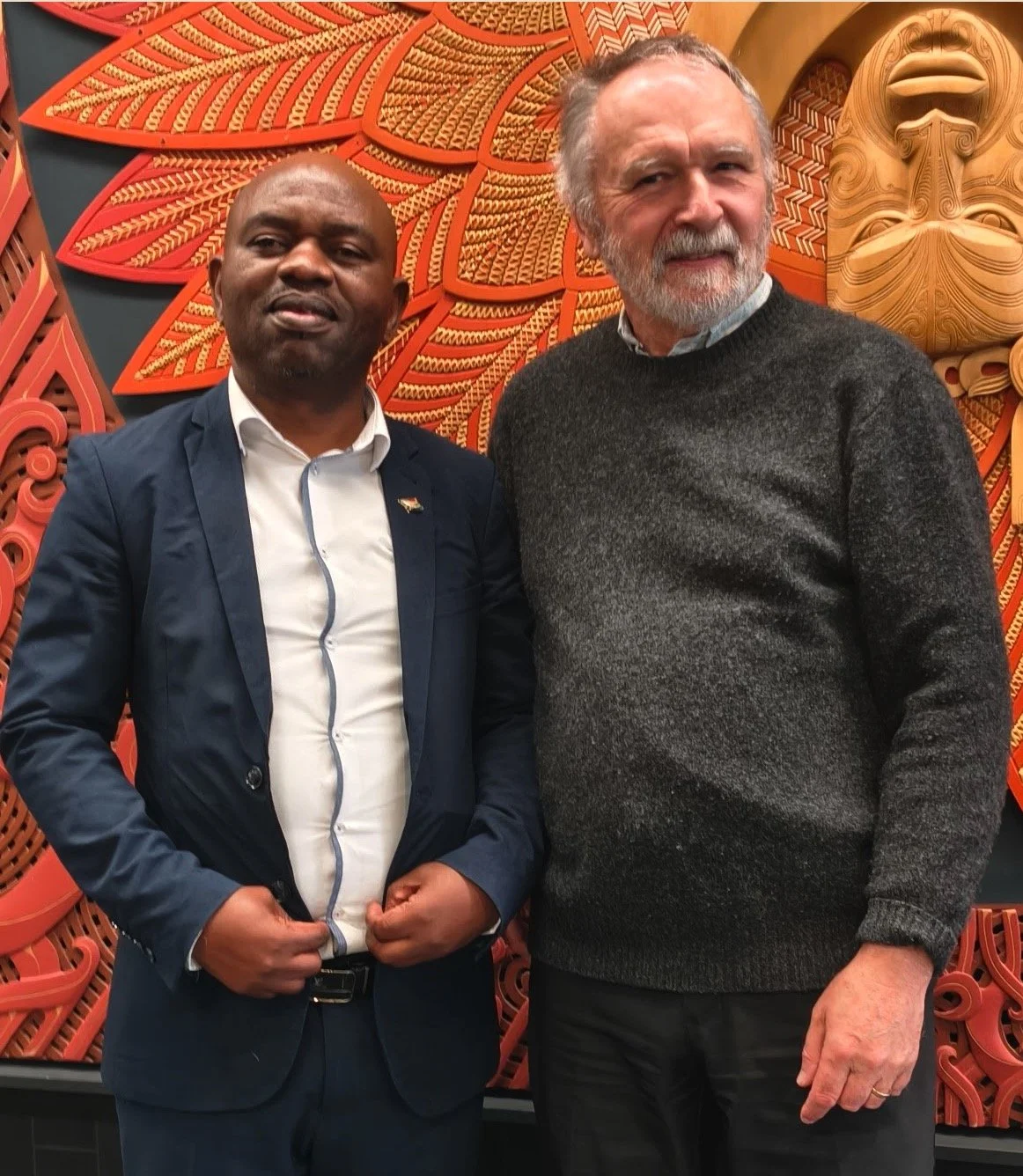
I recently had the honour of interviewing S’bu Zikode, a South African activist based in one of the country’s most impoverished “shantytowns”, Kennedy Road, Durban. It was an education for me on so many levels – especially about who gets to breathe and who does not. The answer has been the same from Auschwitz to Gaza, passing by way of Sharpeville, South Africa, and the pavement in Minneapolis in 2020 where George Floyd gasped his last words under the knee of a police officer: “I can’t breathe!”
But first a little about S’bu Zikode, who in 2005 co-founded the largest popular movement to emerge in post-Apartheid South Africa – Abahlali baseMjondolo (the Shackdwellers’ movement) with over 180,000 members. S’bu’s heart was caught in a net woven out of the harsh conditions he found amongst South Africa’s most impoverished communities. Kennedy Road is a shack city in Durban with just a handful of toilets, no sanitation system, and precious little support from local officials. Surely, S’bu says, a modern society can provide housing, sanitation, clean water and basic education? Surely these people have a right to be heard?
When he first saw the scale and the poverty of Kennedy Road it shocked S’bu, a young man from rural South Africa who got a huge break when he won a place at university in Durban and a home with relatives who were able to support him in his studies. Every day he took a bus to the campus, passing the endless sprawling shacks of Kennedy Road, so cramped that there was no room, even for roads. Sitting on that bus S’bu felt his dream had come true and his life was heading in a better direction.
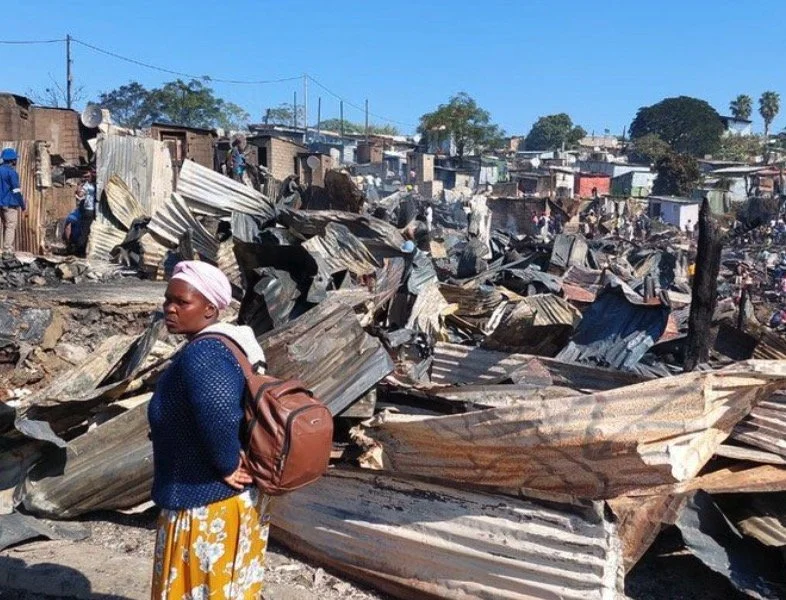
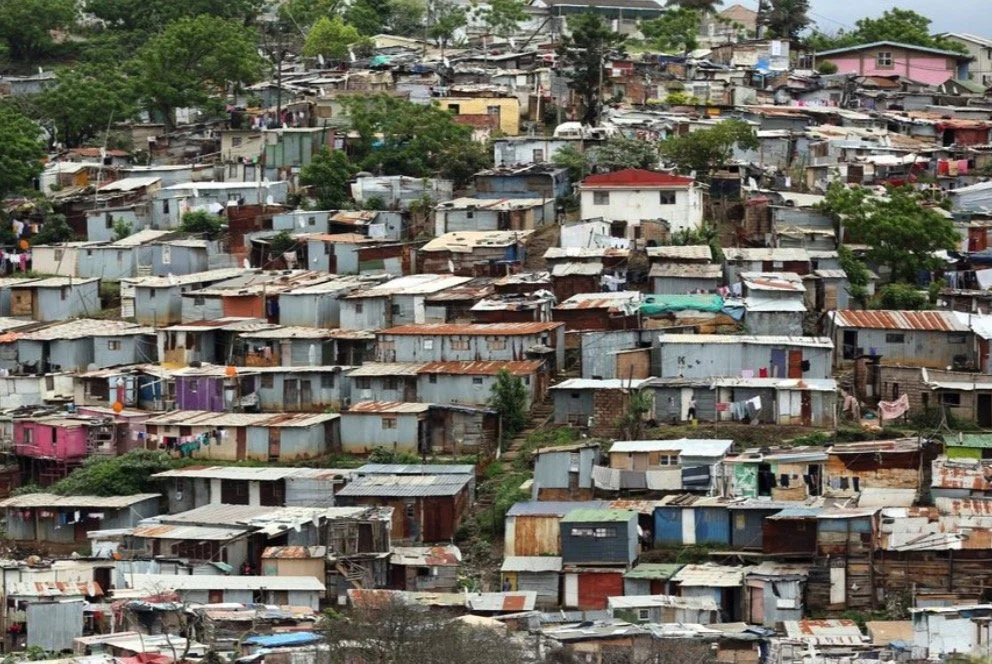
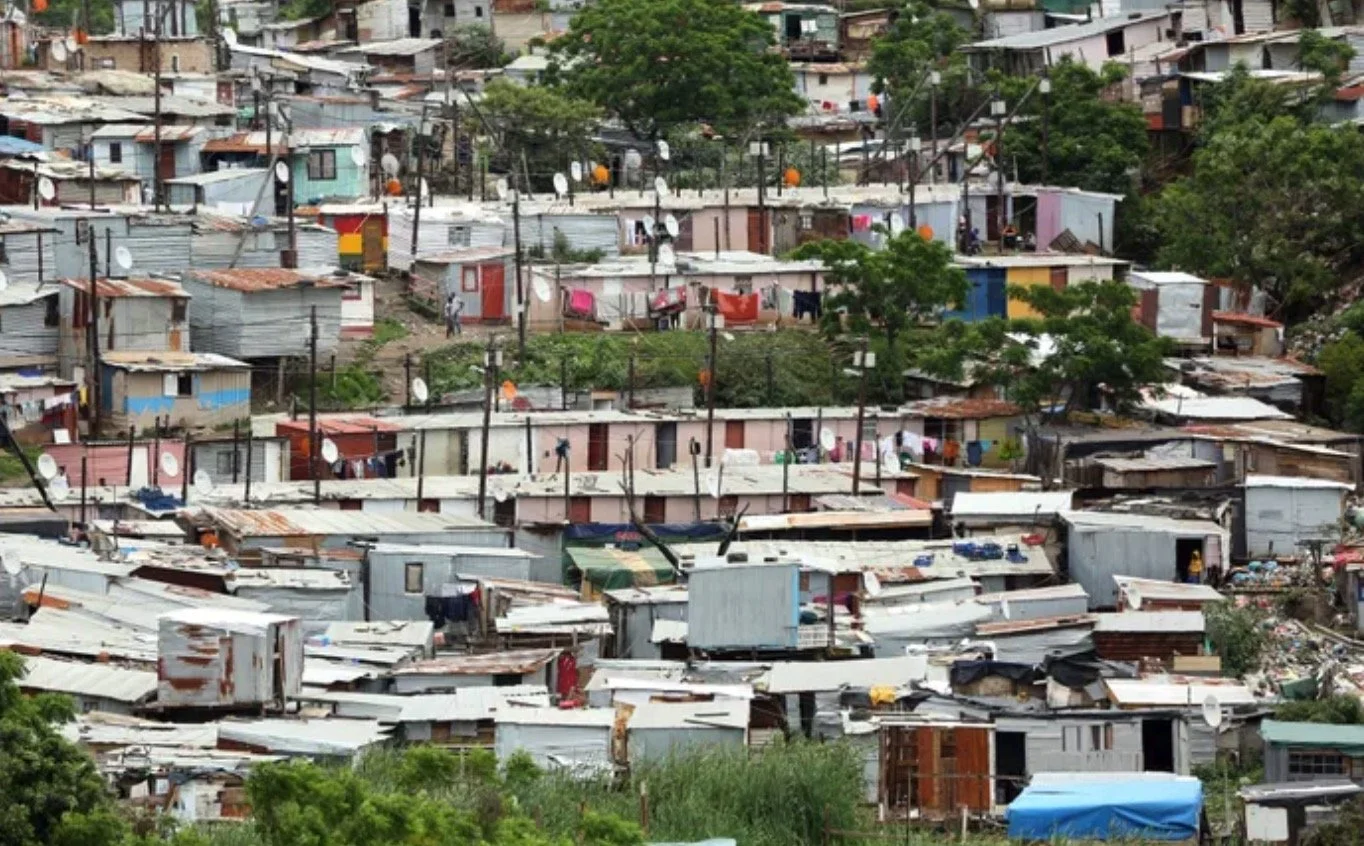
Three months after starting university his world fell apart: the relatives he was living with had to move to Johannesburg and S’bu found himself without a home and without money. He was forced to move … to Kennedy Road. I have only seen photographs of Kennedy Road but I can imagine what a difficult, and bitter, and frightening moment that must have been for S’bu Zikode. But he also found good there.
Jump forward a few years and the young man had transformed himself into a social organizer, pressing the rights of the shackdwellers and earning the displeasure of powerful people inside the ANC.
One night in 2006, he was arrested for the first time, on the orders of a local ANC grandee. He was warned off his activism. He was badly beaten. He was left without medical treatment in a dark cell overnight.
“It wasn’t just the beating. The hate was so painful. The question I asked and had to try to answer the whole night was whether I would continue.”
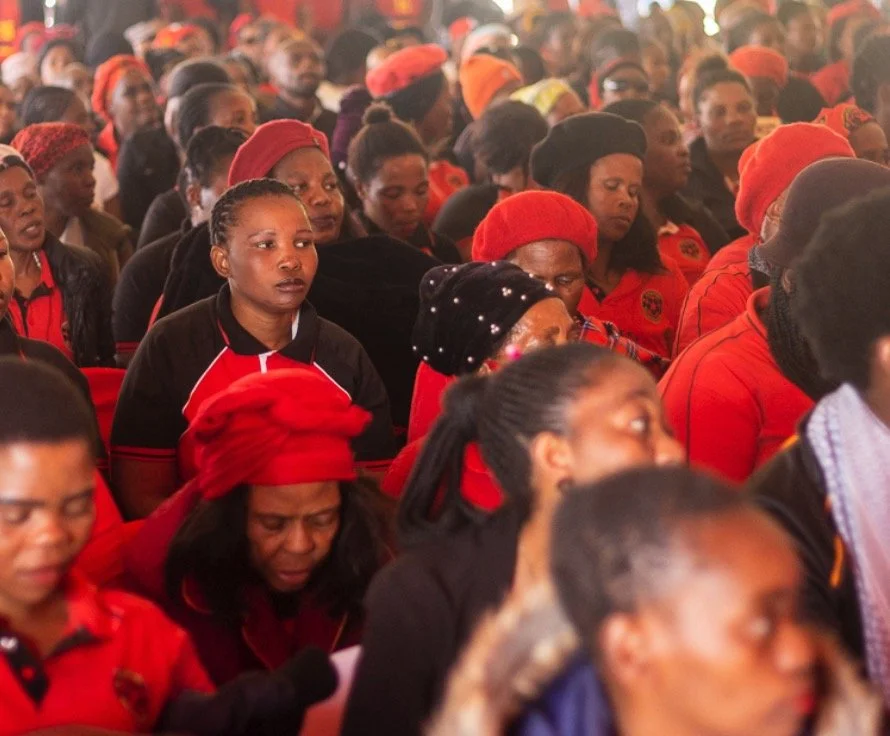
The next morning S’bu appeared in the Magistrate’s Court. Filling the corridors and the courtroom were hundreds of the red shirts worn by members of Abahlali baseMjondolo (the Shackdwellers’ movement).
“When I saw so much support, I felt very emotional. And I gained strength, and I said, ‘There comes the answer’. Irrespective of the pain I am going through, this is a noble cause. The question of solidarity is so important.”
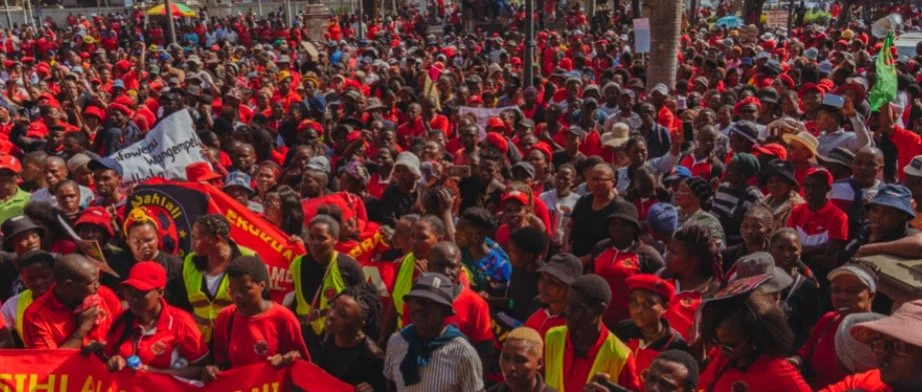
A frisson of emotion swept over me as I heard those words. It recalled the newspaper story I had read in the archives about my grandfather, Dermot O’Brien, a republican organiser in British-occupied Ireland, being released from prison in 1908. Hard times for that young man too but when he stepped out to freedom, hundreds of comrades were there to greet him – and not one, but two brass bands to march him into town! Solidarity.
S’bu explains that at the heart of their movement is the Zulu concept of Ubuntu, a philosophy that says you can’t be fully human without being connected, being interdependent with those around you. It reminded me of Cicero’s ideal of humanitas and its mission to humanise society.
How that concept of Ubuntu is translated into action by S’bu and the jondolo (shackdwellers) should give us all pause. Impoverished and hard-pressed though they are, the movement has found space to stand in solidarity with migrants and refugees who face the same vilification in parts of South Africa as they do in England, France or the US. These migrant workers find safety, not violence, in the areas where Abahlali baseMjondolo is strong. It is the same in their attitude to the Middle East.
“Our solidarity with Palestine is based on the recognition that the oppression of another human being is a matter of concern to all of us. We are in solidarity with all oppressed people everywhere, from Palestine to Congo, to migrants in the United States and our LGBTQ+ communities facing persecution in many countries,” Zikode says.
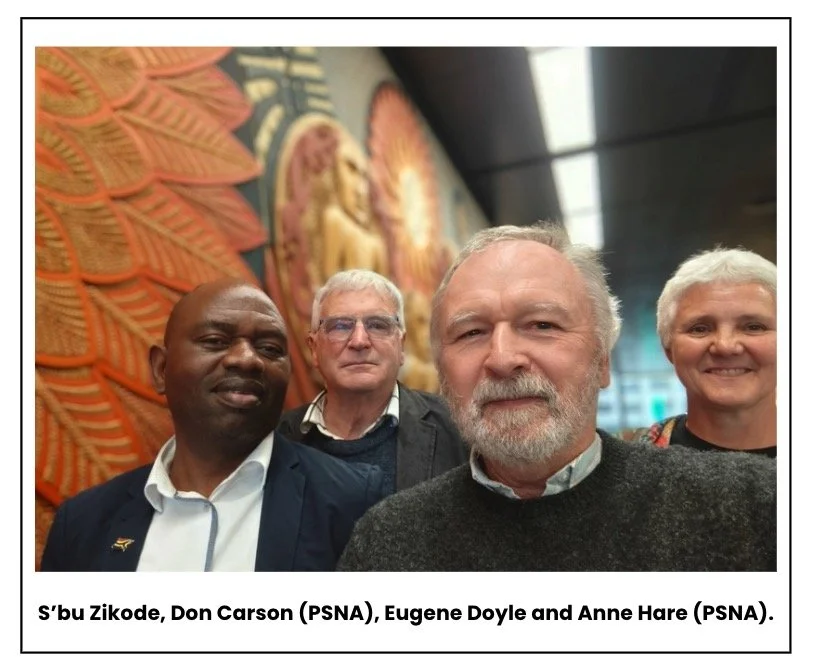
S’bu Zikode was brought to New Zealand by the Federation of Socialist Societies and hosted in-country by Palestine Solidarity Network Aotearoa. Several of the PSNA activists were also prominent in New Zealand’s powerful anti-Apartheid movement from the 1960s, through the battles of the 1981 Springbok Tour, all the way to Nelson Mandela’s freedom in 1990, signalling the end of the regime. I was a teenager when I first protested to end New Zealand’s sporting contacts with the racist regime.
“We do not take for granted New Zealand’s contribution,” Zikode says. “And I want to salute you for that. That was an incredible contribution to the liberation struggle. This was an outstanding example we should seek to emulate in our solidarity with the people of Palestine.”
And then S’bu Zikode spoke of those who can breathe and those who are stopped from breathing.
“The Apartheid regime was very bad but the violence of what is going on in Palestine is incomparable. The South African Apartheid regime strangled us but it also gave us some chance to breathe. The reason for that is that they wanted us alive in order to continue exploiting our labour.”
“In Palestine, the Israelis are determined to vandalize and destroy human life in what they call racial cleansing. They have no intention of oppressing or exploiting Palestinians. The intention is literally to destroy, to make humanity vanish,” Zikode says.
And there you have it. For a time, the Nazis exploited the labour of the Jews; then increasingly moved on to the Final Solution. Many of the Jewish victims in places like Auschwitz and Treblinka died of asphyxiation in gas chambers: they could not breathe. Racist, fascist Israel today has reached the same conclusion: they don’t need the Palestinians, so increasingly they will not let them breathe. They want all of Palestine – without the Palestinians.
In 1960 at Sharpeville in Transvaal Province, South Africa, 69 protesters were massacred by the police. It triggered outrage internationally and exposed the Apartheid regime in all its barbarity. 69 victims and the world woke up. In 2023, the Israelis killed that many and more every single day for a year and the Western world largely looked the other way. What has happened to us? Where is our ubuntu, our humanitas?
“History will judge us,” S’bu Zikode says. “We have no choice but to save humanity.”
Eugene Doyle
Eugene Doyle is a writer based in Wellington, New Zealand. He has written extensively on the Middle East, as well as peace and security issues in the Asia Pacific region. He hosts solidarity.co.nz.
This article may be reproduced without permission but with suitable attribution.