By its attacks on Yemen, Saudi Arabia is risking what it cannot afford to lose: its energy security, and with it the viability of the state itself. Its long-term ambition to be overlord of Yemen is facing the most severe stress test yet as an increasingly powerful Houthi (Ansar Allah) movement gains momentum in its multi-decade struggle to achieve not just victory over all-comers but full sovereignty for Yemen.
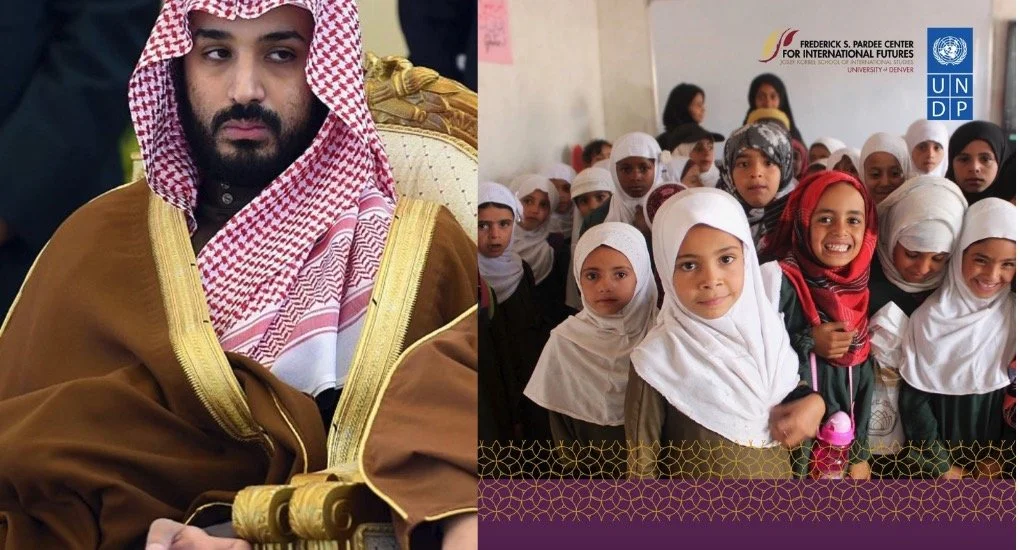
By reigniting its long war with Ansar Allah by its ill-considered bombing of Sana’a airport on July 13, Saudi Arabia has set in train events that some argue could see the House of Saud fall. Today’s Ansar Allah has the military prowess to inflict immense damage on Saudi energy infrastructure and, at a minimum, force a serious re-evaluation of Saudi policy on Yemen. It could even threaten the Kingdom’s territorial integrity. Should this happen, Crown Prince Mohammed bin Salman (MBS) might flee to London or Florida.
On paper an Ansar Allah victory seems an impossibility: it has a tiny industrial base and a military budget that is vastly smaller than the Kingdom’s. Yet the Saudi regime is clearly worried: the billions spent on US and European military hardware was more a form of imperial tribute and part of a Western protection racket: ‘We will protect you and keep your family in power in exchange for petro-dollars and buying our military hardware.’
A major defeat to Yemen would have incalculable repercussions, bringing into question the region's other family dictatorships, not to mention the moot question of an ongoing role for the US in the region. Iran, for its part, has stated that no US warships will ever be allowed back inside the Persian Gulf.
Tectonic shifts are indeed underway across the Middle East but not as the corrupt rulers who triggered the Middle East earthquake anticipated. By launching their war of aggression against Iran, Bibi Netanyahu and Donald Trump wanted to destroy or dismember Iran and shatter its allies, including Ansar Allah. Instead they may send the royal towers of Riyadh, Manama and Kuwait tumbling down.
First, however, Iran must successfully defend itself against the anticipated major US-Israeli attack which could come in the days or weeks ahead.
War is uncertain and prediction is difficult – but Iran is well-prepared and knows the struggle is existential. It has made clear: if it is attacked again, it will launch immense counterstrikes on the US-Israeli network of regional states, destroying much of the region’s infrastructure.
For its part, Ansar Allah must defeat the powerful informal coalition that has rallied around Saudi Arabia – a head-spinning combo that includes the UAE, Israel, the US, Britain, France, Türkiye, Pakistan and Egypt. Most of these have done little more so far than supply personnel and equipment for “defensive operations” and help with target identification and such … but, as history has shown time and again, mission creep is an ever-present danger.
Why do the Saudis need all this help against little Yemen? On paper they have one of the most powerful militaries in the world (nearly 1000 aircraft compared to zero for the Houthis). But they are paper tigers. Some analysts argue that the Saudi regime has deliberately kept its armed forces disjointed and ill-prepared for anything but blockades and indiscriminate aerial bombing. Why? Until now their primary fear was a coup from within the kingdom, led by a general or a prince or two. The leaders of an efficient well-led military would pose a clear and present danger to the regime. Now MBS is begging everyone to come to his aid. France, desperate for energy resources, has answered the call. The UK, desperate for arms sales and relevance, has answered the call. Egypt’s military ruler Al-Sisi needs the financial lifeline the Saudis extend to it and so is risking uproar at home to support his Saudi and Emirati paymasters, potentially alongside Israel. The list and the fraught calculations go on.

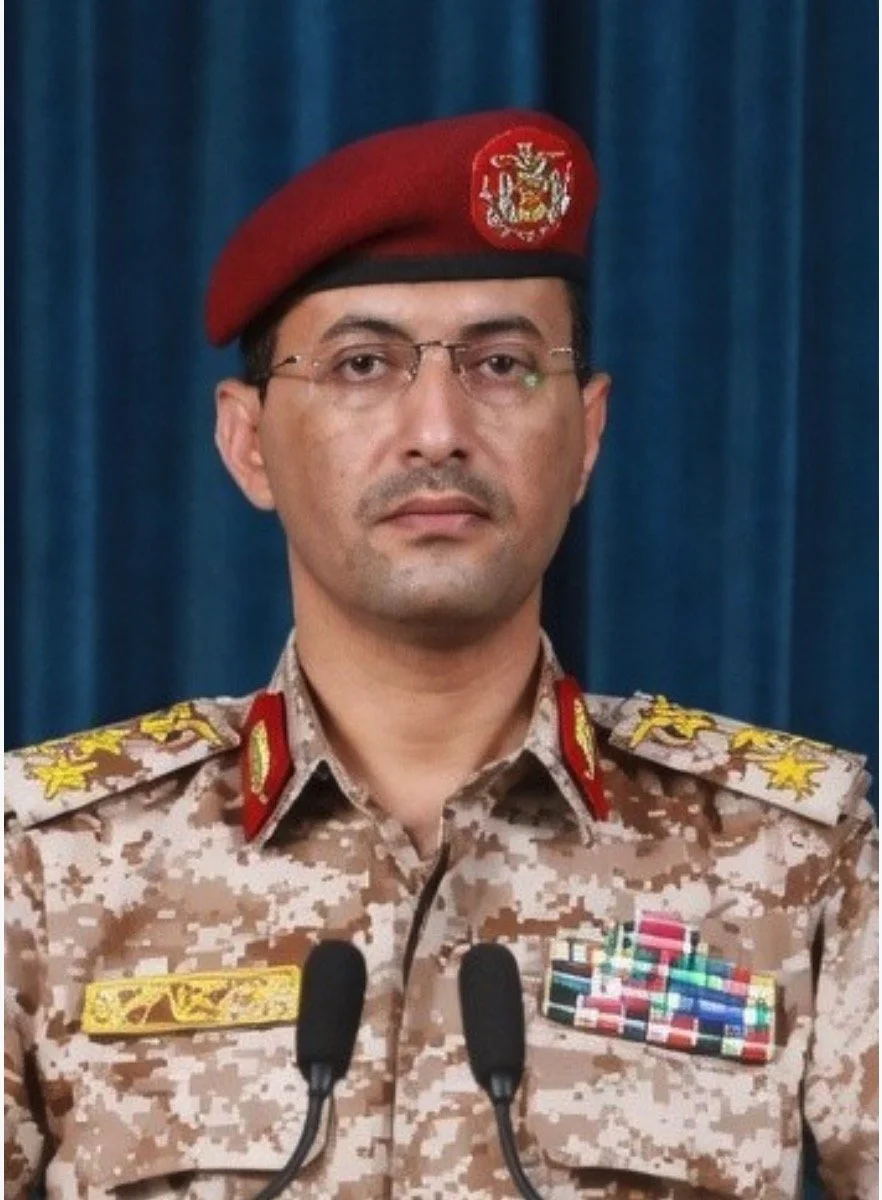
Few will be keen to cross the border into Yemen. Ansar Allah, with its tens of thousands of well-trained troops, its proven missile and drone force, and the gathering network of tribes that have chosen it as the surest path to eventual peace, unity and sovereignty, is formidable.
The US, UAE and Saudi Arabia have poured billions into funding and equipping the various groups (at times including Al Qaeda) doing the actual fighting on the ground. These include thousands of Sudanese and Libyan mercenaries as well as a dwindling number of Yemeni tribes.
Najma Minhas, Managing Editor of Pakistan-based Global Village Space said this week: “For Crown Prince Mohammed bin Salman, these attacks threaten far more than his military prestige. They are directly undermining the stability on which his plans to transform Saudi Arabia into an international investment, tourism, and technology hub depend upon.”
Annelle Sheline from the Quincy Institute in Washington believes that MBS will be forced to accept negotiations as the most effective way of protecting Saudi infrastructure and Saudi civilians.
“The question is: how many people are going to die before the leadership in Riyadh reaches that conclusion?” Sheline asks.
Now, Ansar Allah (the Houthis) are determined to press on to victory, as they define it:
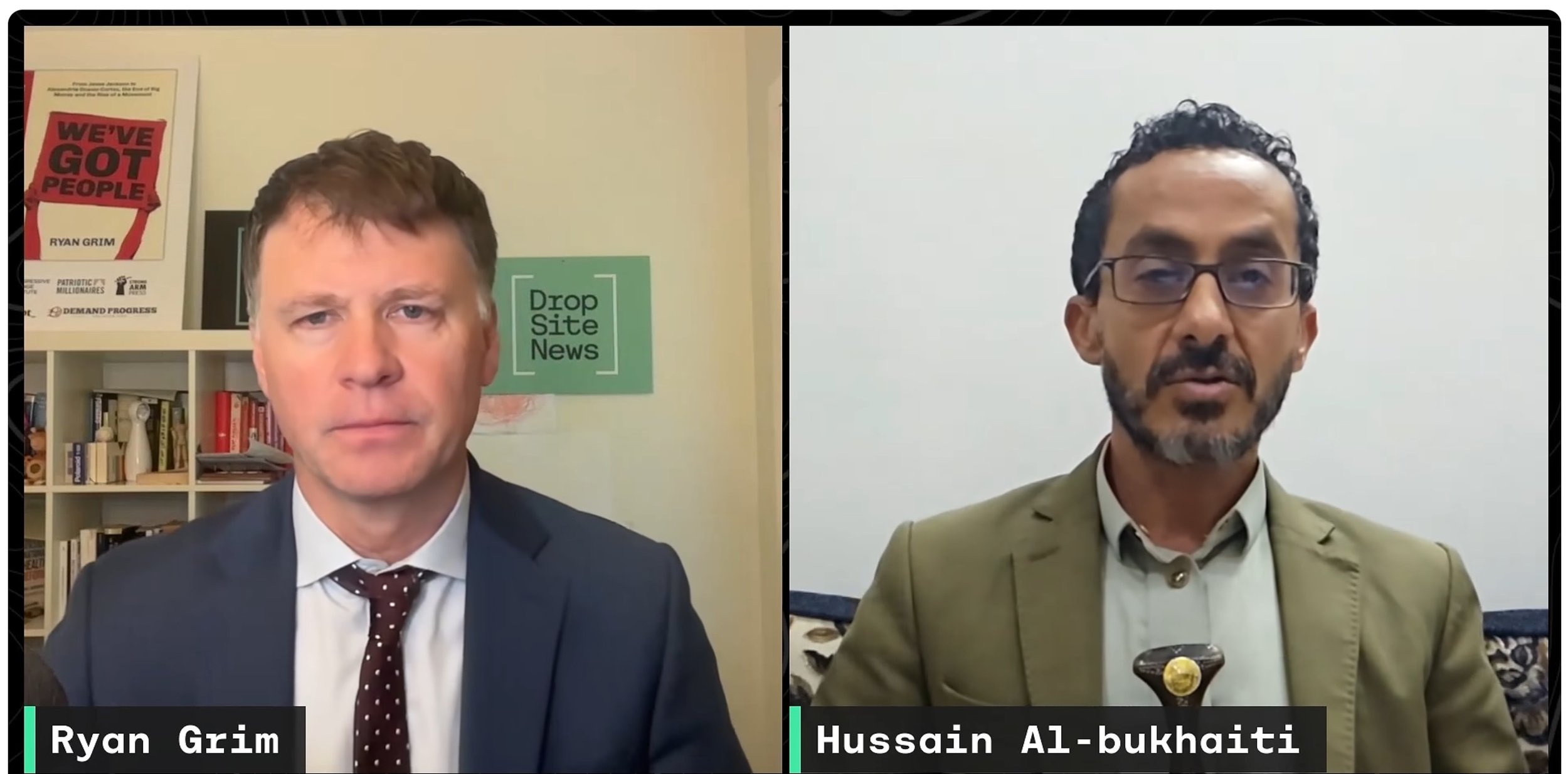
“We demand that Saudi Arabia should leave Yemen and pay total compensation, and not interfere in Yemen. We demand they withdraw all the troops, and stop supporting any groups in Yemen. Let us Yemenis deal with each other, fight each other, talk with each other. They should have nothing to do with it,” says Hussain Al-Bukhaiti, a Yemeni journalist close to Ansar Allah.
If not, he says, Yemeni forces could cross into Saudi Arabia, seizing the three provinces – Asir, Jizan, and Najran – the Saudis took from Yemen in the 1930s.
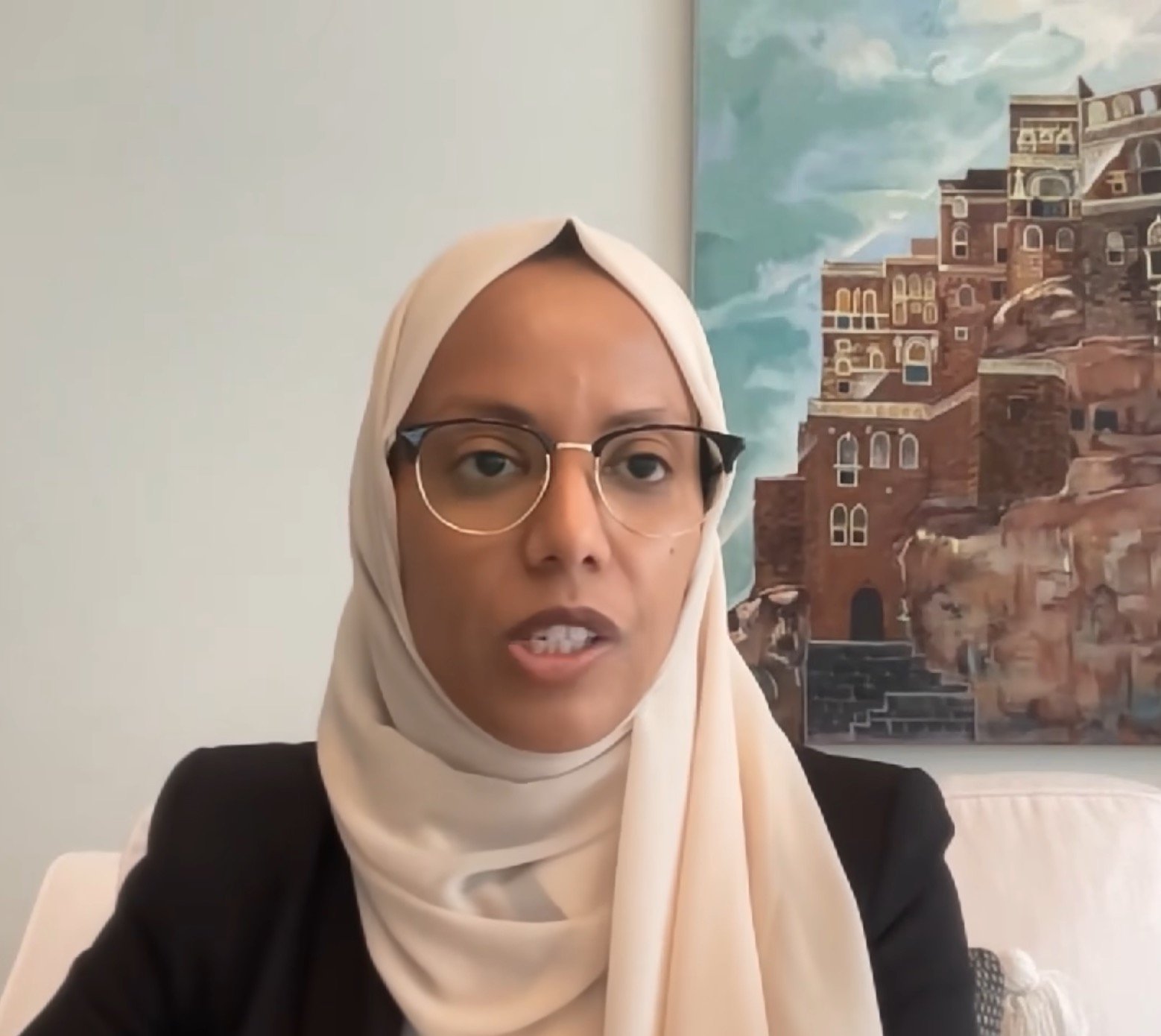
Associate Professor Shireen Al-Adeimi, a Yemeni scholar based at Michigan State University, says the tide of the war is flowing in Ansar Allah’s direction. The Saudis and UAE may be forced to withdraw after which a unity government led by Ansar Allah is the likely outcome. She told Drop Site News this week, “I think without funding from outside sources, people's calculations will change. Without funding from Saudi forces, I wonder how many people are actually willing to fight?”
Without this foreign funding, the “civil war” in Yemen may have ended many years ago and hundreds of thousands of innocents would still be alive today. Most were killed by the Saudi-US-UK-UAE blockade that triggered a man-made humanitarian calamity deadlier even than the US-Israeli genocide in Gaza. The UN estimates 377,000 people died because of this Saudi-led depravity.
The real crime of the Houthis is not their ties to Iran nor their almost unique military support of the Palestinians. It is not their harsh rule nor taxation systems, nor even the power struggles with tribes from other parts of Yemen. It most certainly isn't their centuries-old Zaidi Islam, which has coexisted with other faiths within Yemen for centuries; in this sense their religion is the opposite of the Saudi-based Wahhabi Islam that is famously intolerant of diversity. No, the crime of crimes is their determination to create a sovereign independent Yemen.
Like them or hate them, Ansar Allah is indeed the main group fighting for a genuinely sovereign, post-colonial and independent Yemen. Were this to be achieved, MBS’s job would certainly be on the line.
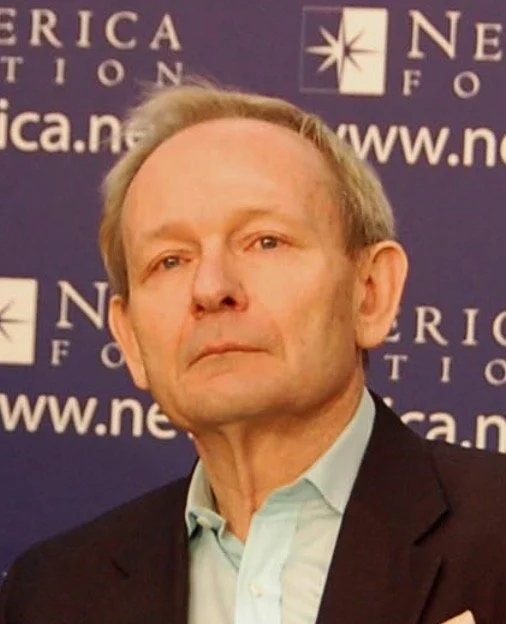
Former UK diplomat and Middle East expert Alastair Crooke says the recent attack on Yemen is just the latest blunder by Mohammed bin Salman: “He has cut away the pillars of his own legitimacy to the point at which he is threatened and maybe deposed in this coming period.”
This in turn could trigger an unravelling of regional relationships not seen in generations.
Eugene Doyle
Eugene Doyle is a writer based in Wellington, New Zealand. He has written extensively on the Middle East, as well as peace and security issues in the Asia Pacific region. He hosts solidarity.co.nz.
This article may be reproduced without permission but with suitable attribution.