Diesen’s Dissent should be a cause célèbre for supporters of freedom of speech.
One of Europe’s most distinguished geopolitical analysts and dissenting voices on matters NATO-Ukraine-Russia has been driven into exile from his native Norway. Professor Glenn Diesen of the University of South-Eastern Norway is a commentator and interviewer followed by millions worldwide. His book The Ukraine War & the Eurasian World Order enriched my own understanding of the broader, deeper issues behind the war. Along with Professors John Mearsheimer, Richard Sakwa, Jeffrey Sachs, Pascal Lottaz and others he offers a Realist analysis of the various wars that are driving us ever-closer to global conflict. You don’t have to agree with his analysis but we should collectively defend his right to speak as he sees fit.
I have been aware for some time of reports of the stream of attacks on Diesen from government, media, fellow academics and other sources and today is another dark day for a declining West. Norway cannot brook dissent from an academic of immense intelligence, composure and richly-supported insights on the great issues of our day. Already driven from the mainstream media (except as the subject of mud-slinging attacks), he has now been effectively driven from his home.
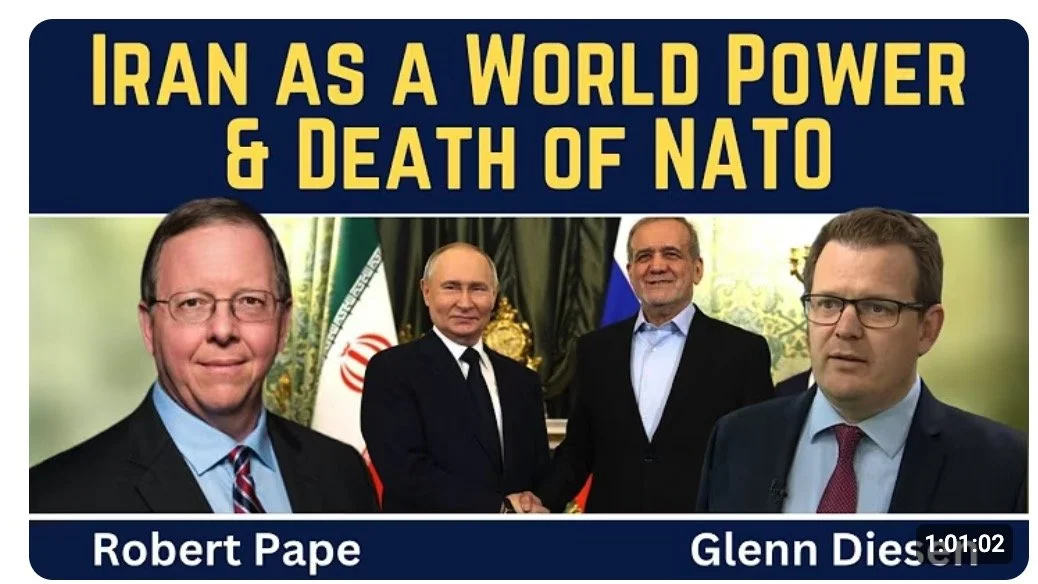
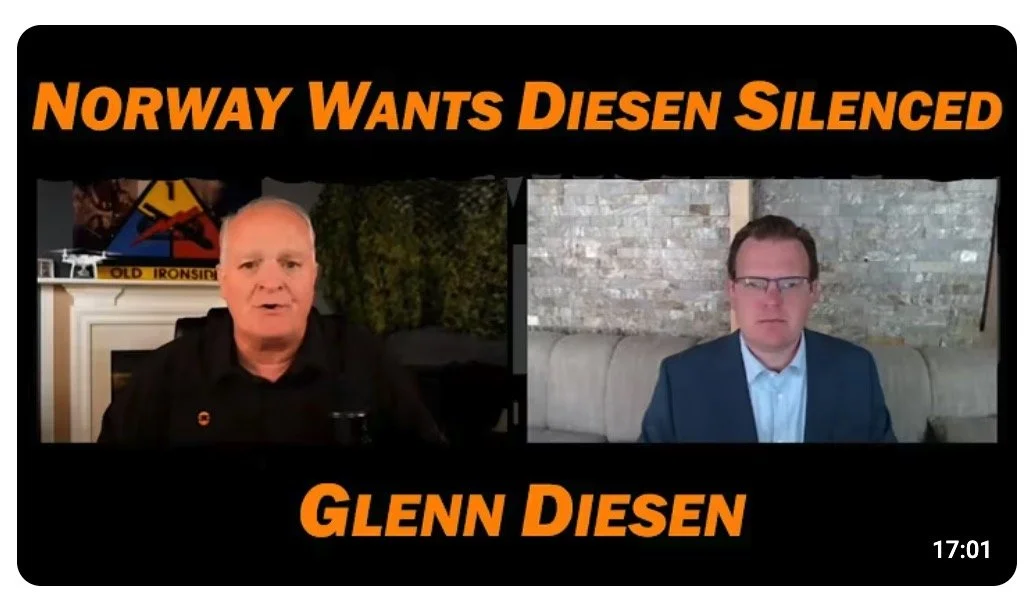
On his Substack this week, Diesen said he had requested one year’s unpaid leave to conduct research “with the application further supported by additional circumstances, including death threats, harassment in the workplace, and other challenges that have made it necessary to withdraw my children from school and sell our house.” His employers declined his request.
In his piece, entitled, “The Death of Academic Freedom in Norway,” Diesen gave a blow-by-blow account of the torrent of threats, abuse, cancellations and other harassment he and his family have been subjected to. Now, he has admitted defeat, resigned, and will become the latest émigré from a West that will not tolerate war-dissenters, alternative analysis nor calls for dialogue with Russia.
Most of his detractors reach for the easy, unsubstantiated slurs: “We believe that Diesen in practice functions as a propagandist for Russia. He repeats the Kremlin's talking points uncritically,” iNyheter, a Norwegian outlet, quotes Berit Nising Lindeman of the Norwegian Helsinki Committee. Uncritically? Hmmm, they mustn’t have read his books.
In England people are being arrested in their thousands under Terrorism laws for simply stating “I oppose genocide. I support Palestine Action.” In Germany, wearing a keffiyeh or expressing support for Palestine can get you a severe head-kicking from state stormtroopers. ICC judges have been sanctioned across Europe for upholding international law. United Nations Special Rapporteur Francesca Albanese endures endless harassment for simply doing her job. Swiss analyst Colonel Jacques Baud has been made a non-person by the EU Council for challenging the dominant narrative on Ukraine and can no longer do something as simple as use his credit card to buy groceries. My friend former UK diplomat Ian Proud was recently detained at Heathrow, had his DNA taken (why? He spent decades in the Foreign Service, what did they hope to discover?) and his digital devices confiscated for attending the annual Valdai conference in Russia. Several journalists I follow closely have been detained at airports, suffered police raids on their homes, have been de-platformed by social media companies, had bank accounts frozen and had their computers seized for daring to oppose genocide, express opinions and share information. This is the West today. It is not a moment to yawn and look the other way.
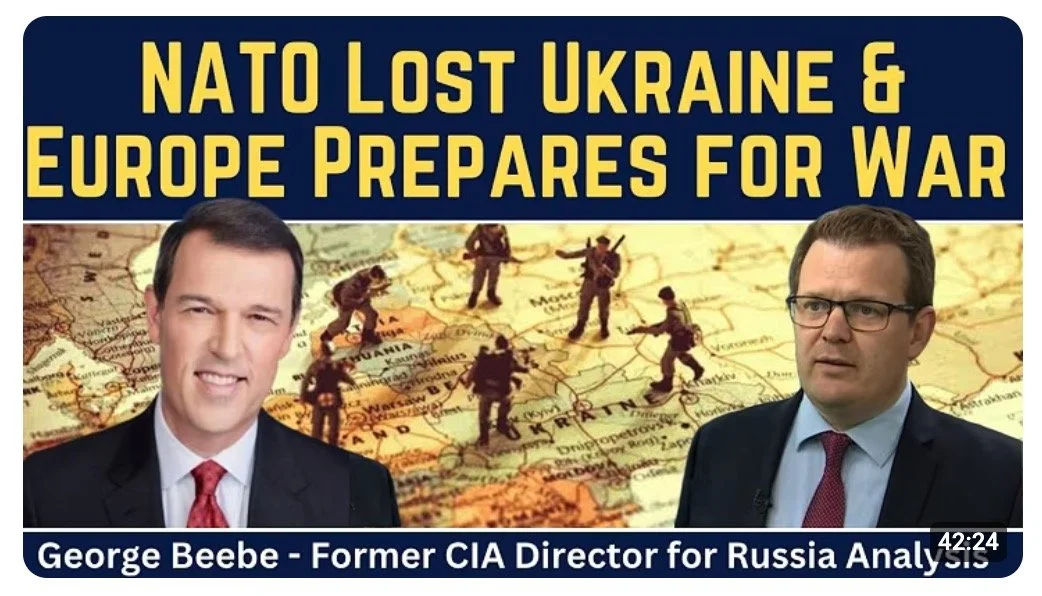
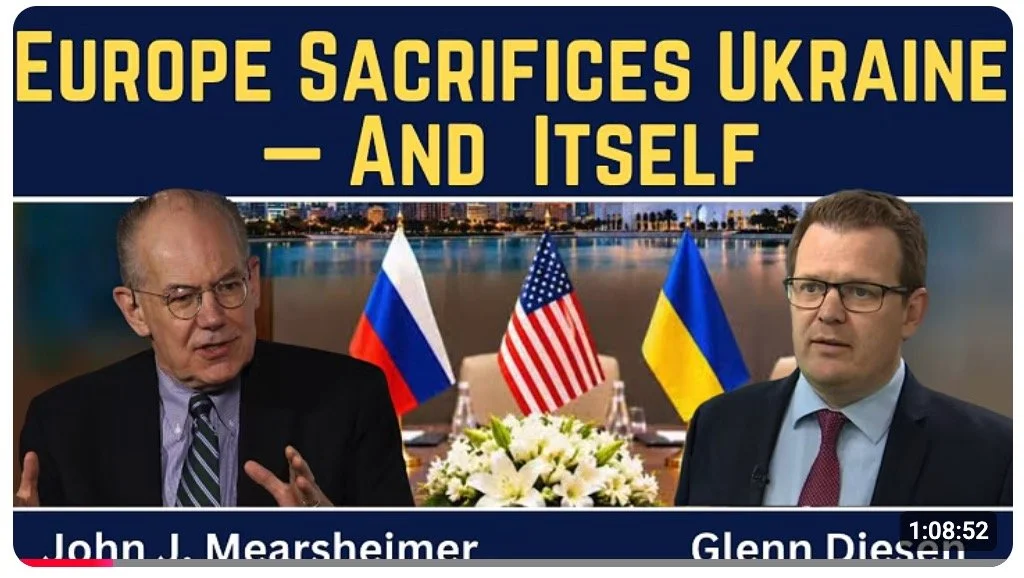
The whole idea of these endless attacks is to drive dissenting voices to the margins of society so that the dominant narrative is the only narrative that most people hear. Orwell warned us about this.
Job prospects can vanish overnight. It frightens the majority of journalists, academics and politicians into becoming a crowd of cowering and submissive noodles who chant the dominant spiel without pausing to think.
I got to know New Zealand journalist Mick Hall after he was driven from Radio New Zealand for sub-editing stories, particularly on Ukraine, in a manner that displeased the powers-that-be. Hall felt he was doing his job as a sub-editor, clarifying and providing context; his employer and others felt he had “let our Ukrainian community down”, breached editorial standards and indulged in “pro-Kremlin garbage” by adding lines to a Reuters piece such as:
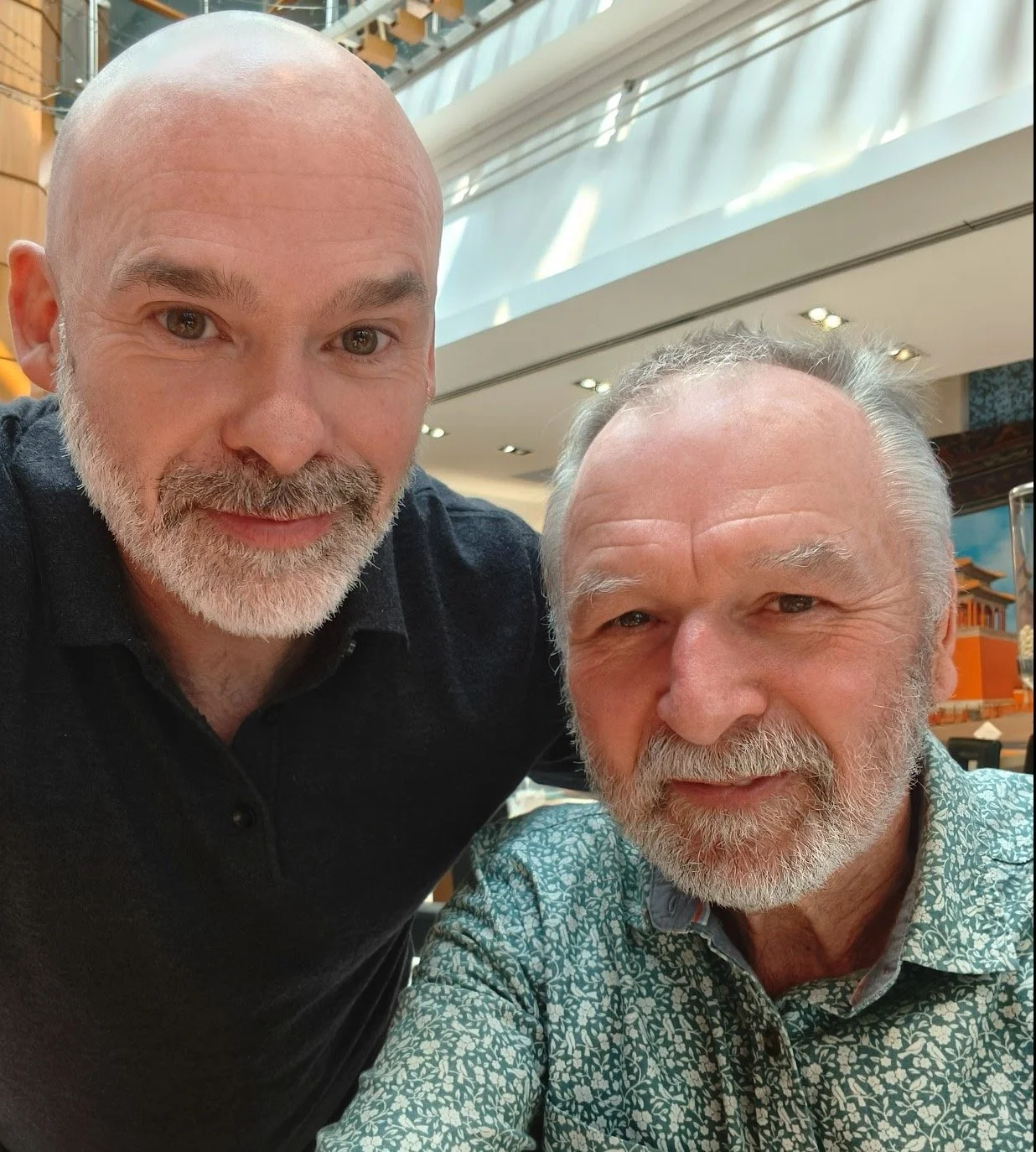
Mick Hall and Eugene Doyle. I just wish our mainstream was not so tightly curated, so tightly aligned with the Washington agenda, so compulsively conformist that there is no space left for alternative perspectives.
“The conflict in Ukraine began in 2014 after a pro-Russian elected government was toppled during Ukraine’s violent Maidan colour revolution. Russia annexed Crimea after a referendum, as the new pro-Western government suppressed ethnic Russians in eastern and southern Ukraine, sending in its armed forces to the Donbas.”
You can run good arguments for and against this framing of the conflict and of the appropriateness or otherwise of a sub-editor doing this but it is a strange world when a talented journalist like Mick is reduced – as he was shortly thereafter – to working in a fruit packhouse to supplement income while continuing to write independently. I first met Mick Hall in person on my first day on a recent visit to China. Mick had landed an editor’s job at Xinhua News Agency and life was looking up. Exile? Emigré? Russian stooge? You sub-edit it as you see fit! I just wish our mainstream was not so tightly curated, so tightly aligned with the Washington agenda, so compulsively conformist that there is no space left for alternative perspectives.
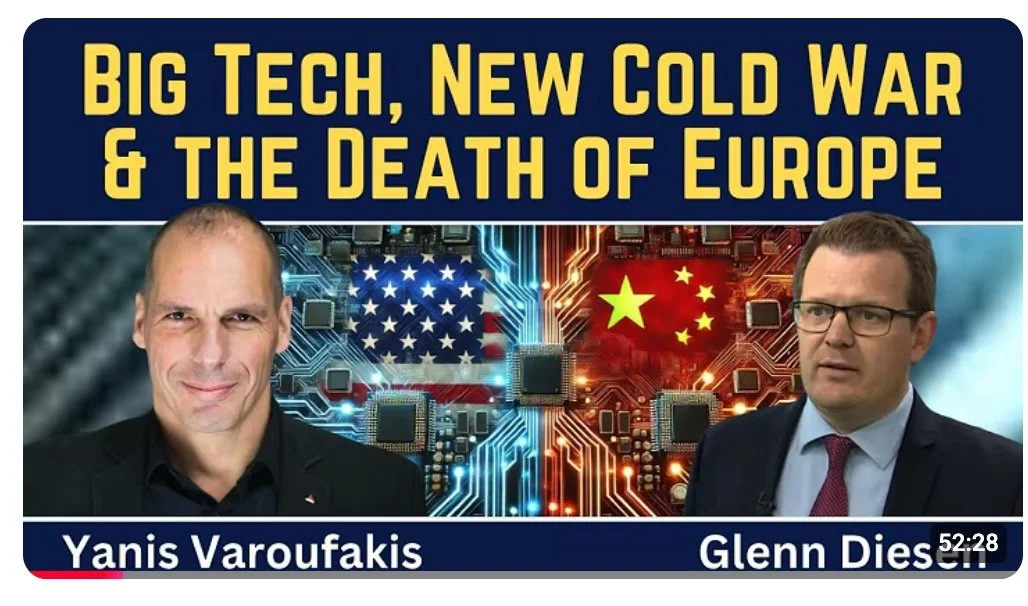
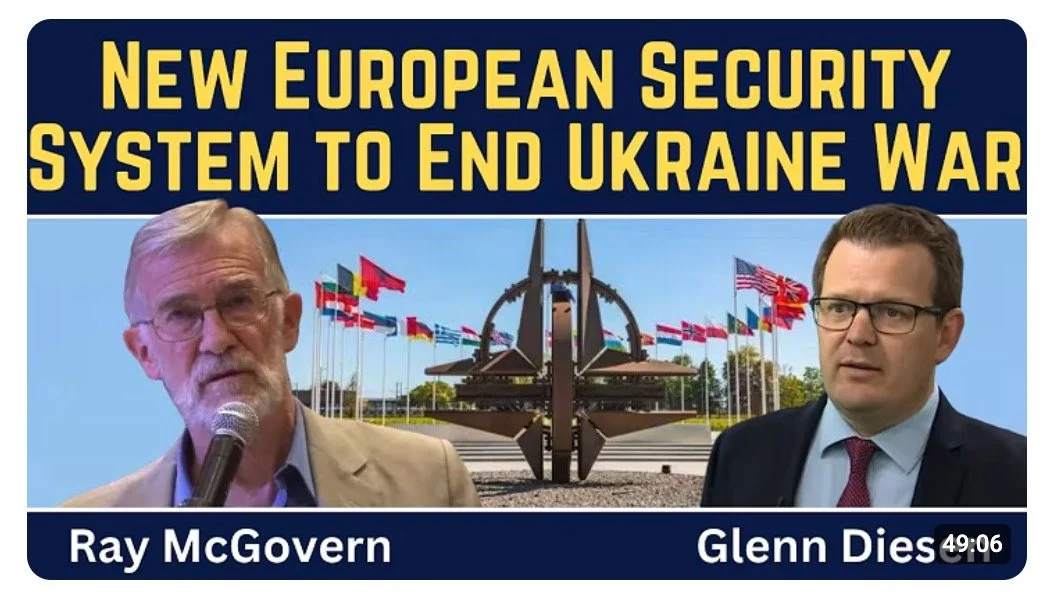
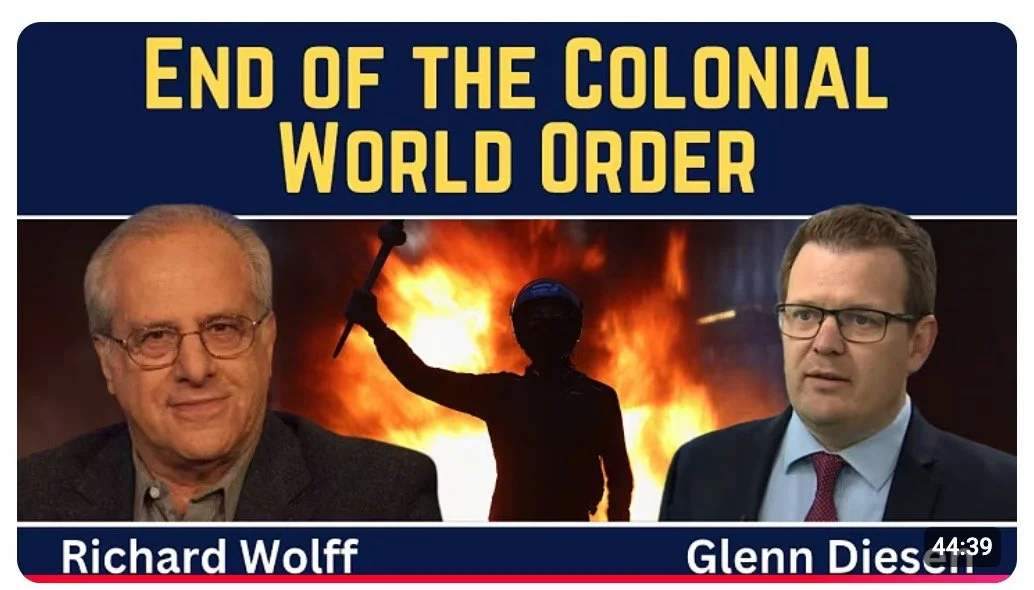
I don’t know where Professor Glenn Diesen will end up but I hope he continues his outstanding work. As well as his highly-successful eponymous YouTube channel, he is a regular guest on Neutrality Studies, Daniel Davis Deep Dive, Breaking Points and many other outlets. He is a first-rate interviewer who has helped platform dozens of geopolitical analysts who sit outside the mainstream, including Ambassador Chas Freeman, Professors Seyed Mohammad Marandi, John Mearsheimer, Michael Hudson and Yanis Varoufakis, and journalists, including Max Blumenthal. My understanding of the world of geopolitics would be so much poorer without his contribution and yet his life has been made insufferable for committing what can only be described as thought crimes.
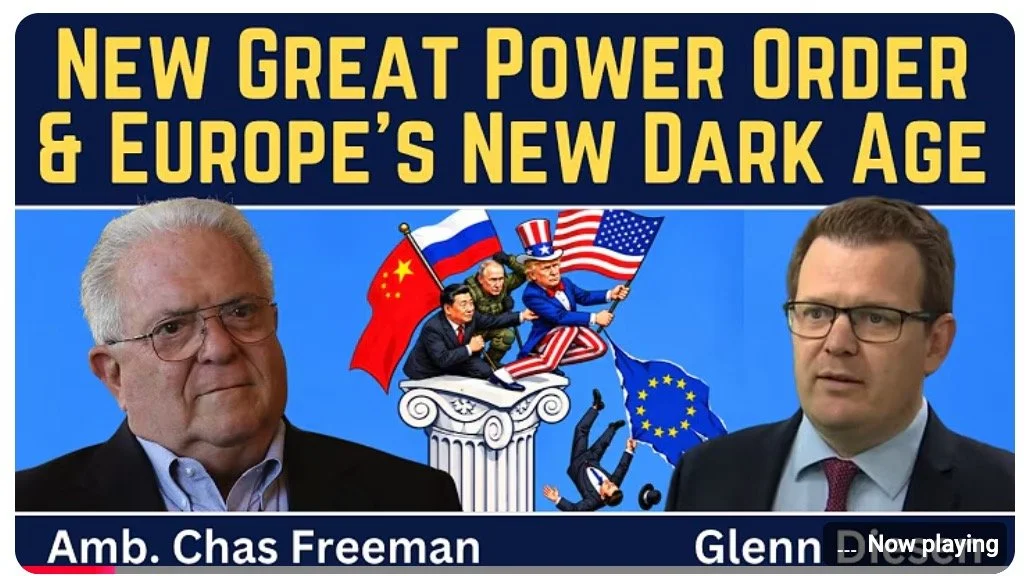
Earlier today I heard my friend US Ambassador (ret.) Chas Freeman extend his sympathy to Glenn. The ever-understated Diesen replied: “I think what's happening in Europe is, to a large extent, a very bad reaction to how the international system is changing. European leaders are not really sure how to respond, and they're responding in a very self-destructive way.”
Ben Aris, editor-in-chief of bne Intellinews sees it in a similar way, suggesting the relentless attacks on Diesen, including alleged death threats, cancellations of events and endless slurs, are actually a by-product of the unravelling of the West’s Ukraine strategy. “As fraught peace talks to bring the nearly five-year conflict in Ukraine to an end advance, journalists and academics who have followed the story from the beginning have increasingly come under attack” for proposing “a more nuanced view on the conflict.”
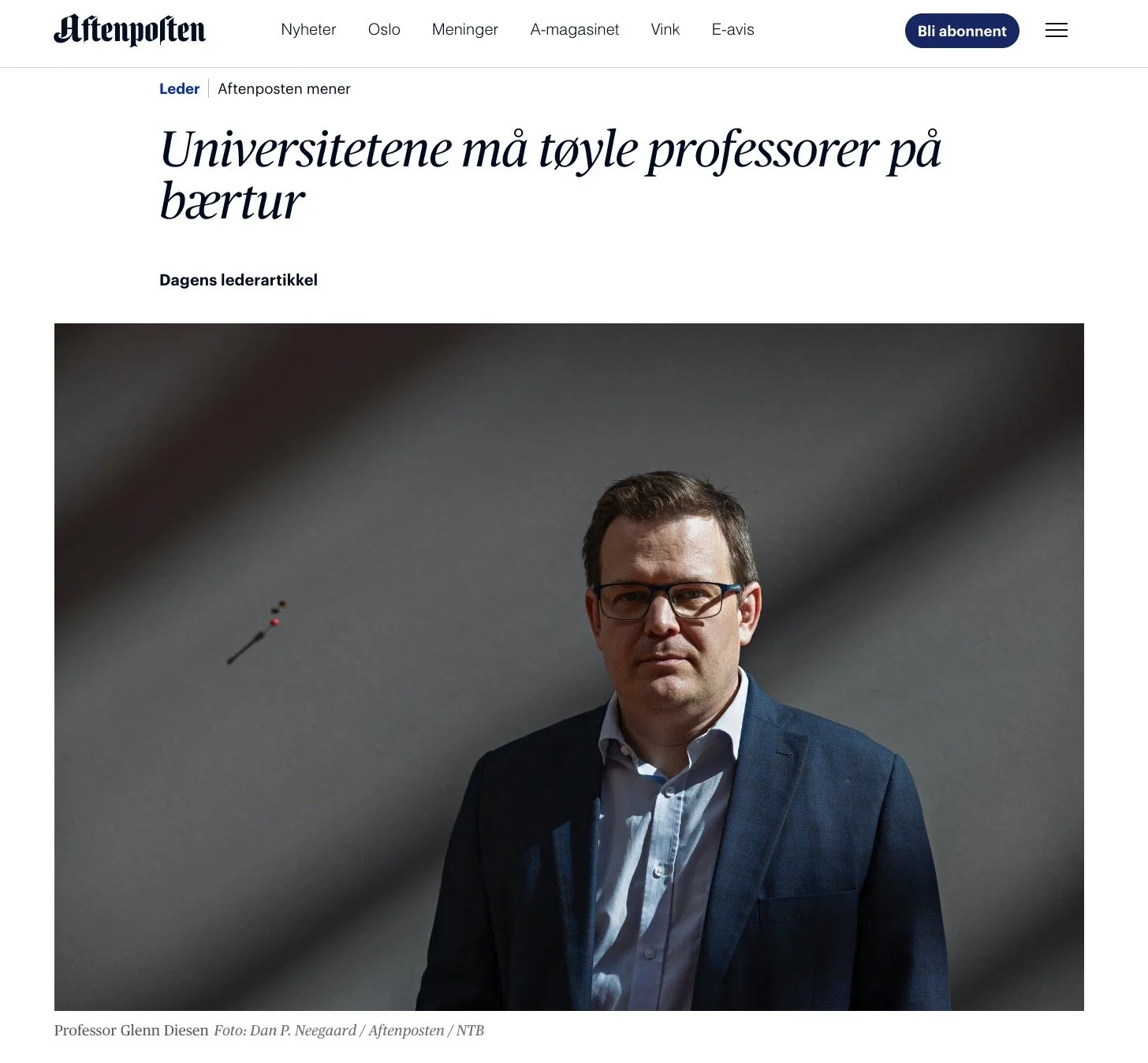
BNE reported that Aftenposten, Norway's largest print daily, greeted Diesen’s resignation with an editorial on November 20 headlined, "Universities must rein in professors who go off track".
Personally, I try to spend plenty of time “going off track” – taking the road less travelled can free your mind from an immense amount of mindless propaganda peddled by establishment shills. Good on you, Glenn Diesen. Ka nui te mihi ki a koe.
Eugene Doyle
Eugene Doyle is a writer based in Wellington, New Zealand. He has written extensively on the Middle East, as well as peace and security issues in the Asia Pacific region. He hosts solidarity.co.nz.
This article may be reproduced without permission but with suitable attribution.