The Red Sea was used by countries like the US, Australia and New Zealand to abuse the people of Yemen, says Yemeni-American academic Shireen Al-Adeimi. Now those countries – which attacked Yemen with impunity for years through US-led Operation Prosperity Guardian and other military campaigns – will have to adapt to new realities. The current Saudi Arabian campaign to be overlord of Yemen is coming apart at the seams. Direct reparations from the Saudis and indirect taxation of us, quite possibly from a “toll booth” at the Bab el-Mandeb Strait, are no longer Houthi pipe dreams.
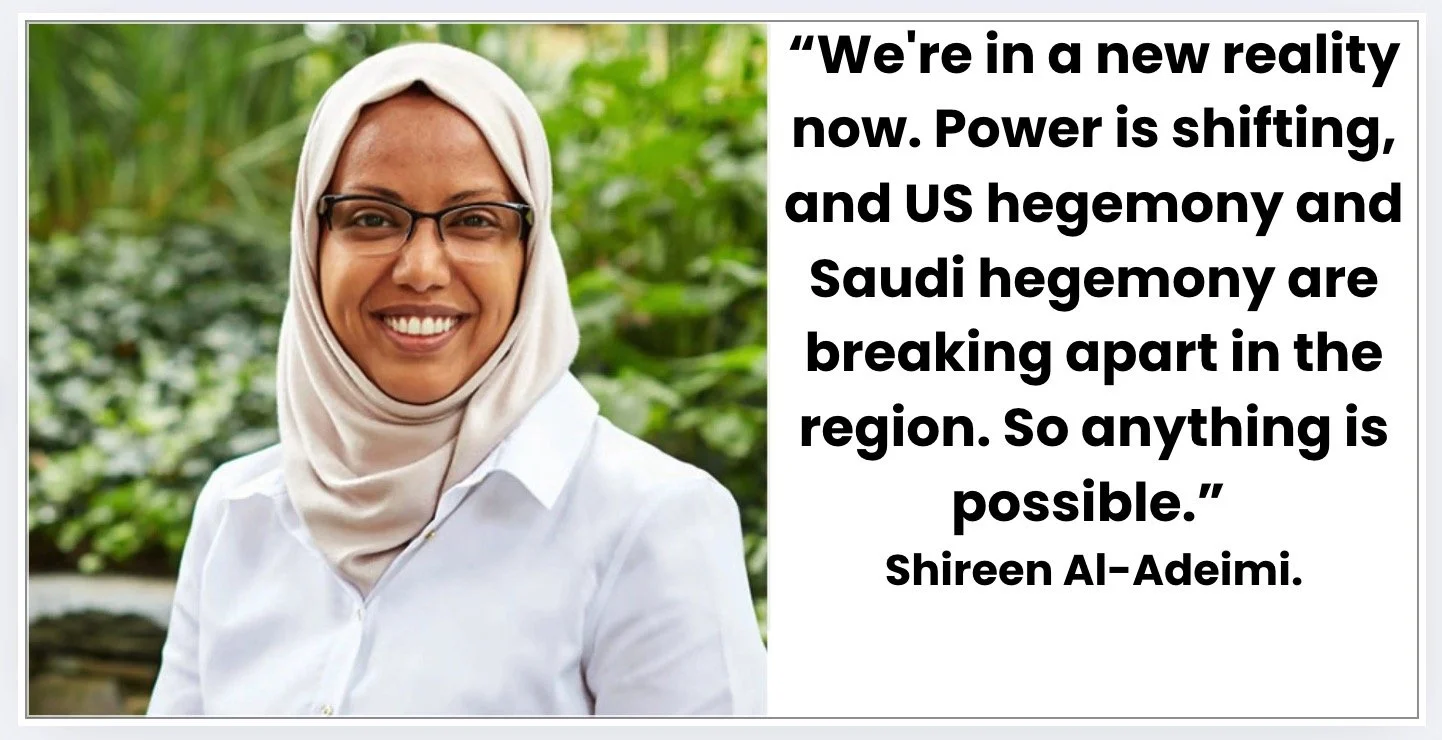
I spoke with Shireen Al-Adeimi, an associate professor at Michigan State University, this week about the astonishing progress Ansarallah (the Houthis) have made on the battlefield and the unprecedented scale of their attacks on the Saudi capital and the country’s aviation, financial and energy infrastructure.
Al-Adeimi’s argument is basically that the Houthis and Iran have shown the old rules no longer apply. War is increasingly a two-way street, with consequences for aggression.
One of the great things Al-Adeimi brings to the table is deconstruction of how the narratives crafted by think tanks and regurgitated in our media end up echoing the State Department “while cloaking it in the language of necessity and benevolence”.
We discussed the fact that New Zealand and Australia both sent troops to participate in Operation Prosperity Guardian to challenge Ansarallah (Houthis) in the Red Sea. In 2024-2025 Australia also let America refuel bombers over Australia and use RAAF bases Amberley and Tindal for tanker aircraft refuelling en route to support attacks on Yemen; New Zealand targeting experts have helped direct attacks on Yemen. Both countries have governments that are heavily supportive of the US, Israel and the UAE in the genocide, the attack on Iran and the war against Ansarallah which has killed hundreds of thousands, primarily civilians (UNDP estimated 377,000 deaths 2015-2021).
“I was aware of New Zealand's involvement in Operation Prosperity Guardian, and it is such a misguided effort,” Al-Adeimi says, “because in the end the US only cares about itself and Israel. Look at the war on Iran and Iran's response – attacking US bases in the UAE, Qatar, Bahrain, Saudi Arabia and Jordan. These countries allowed the US to build extensive bases on the idea that the US would defend them if Iran or anyone else attacked. They learned the hard way. New Zealand and Australia will be tossed aside like everybody else when they’re no longer useful to the empire.”


I know you're not an expert on our countries, I said to Shireen, but what's a better role for us?
“Being a good citizen of this world means not causing oppression. It's as simple as that: don't harm other people, don't harm your own people.
“Yemenis have really suffered. Part of the reason is that countries like Australia supported the US through weapons sales and diplomatic cover during the Saudi-led war from 2015, even before Prosperity Guardian. The relationship your country has with the UAE right now legitimises a toxic, nefarious country that continuously engages in harm in the region, including its shameful role in Sudan.”
Are things getting better or worse?
“I'm more hopeful than I've ever been, because I see that Saudi Arabia, for the first time, is understanding that war is a two-way street. They signed up for a massacre, and for a long time that's all they got: massacre after massacre of Yemenis. Now, there are attacks on their own soil – which they're not used to. They want to be a prosperous, safe country, attractive to the West, that can diversify its economy away from oil. Now people can't get into Riyadh airport because it's on fire, and they're seeing the heart of their financial district being hit by Ansarallah. So there has to be a recalculation of their moves in Yemen.”
Our former defence minister, Judith Collins, called the Houthis pirates, they are often called a militia.
“People can think of them as rebels or pirates, but most Yemenis see them as the government,” Al-Adeimi says. “For almost 12 years they've been building a state. They are the de facto government in northern Yemen.”
Northern Yemen has over 80% of the country’s population, and with recent gains, much more than 80% of the population is now under Ansarallah governance.
“They're not holding them by force. Yemenis are more than capable of revolting; every person is armed to the teeth. They have built a resistance to the invasion, bombardment and blockade of Yemen by Saudi Arabia and other powers.”
Despite all this, the West, its allies and especially its media persist with the pretence that the group of exiled politicians who have lived for years in Riyadh, Saudi Arabia, comprise the government of Yemen. So implausible is the claim that the BBC, Guardian and other Western outlets constantly refer to these Saudi employees as “the internationally-recognized Yemeni government” despite not a single one of them having ever stood for election. Al-Adeimi points out that every time the Saudis decide to back a new leader, a new grouping, the title miraculously is handed to them.
This week I heard an Ansarallah spokesperson say that at the end of this, the Saudis, and I presume the UAE and others, will have to pay for every building and every structure they destroyed, and pay other reparations. What are the odds of that happening?
“A year or two ago, you could have asked me what the odds were of Saudi Arabia being hit in its economic sector, of its East-West pipeline getting hit constantly, and its oil blockaded at both the Strait of Hormuz and Bab el-Mandeb. I'd have said that was far-fetched.
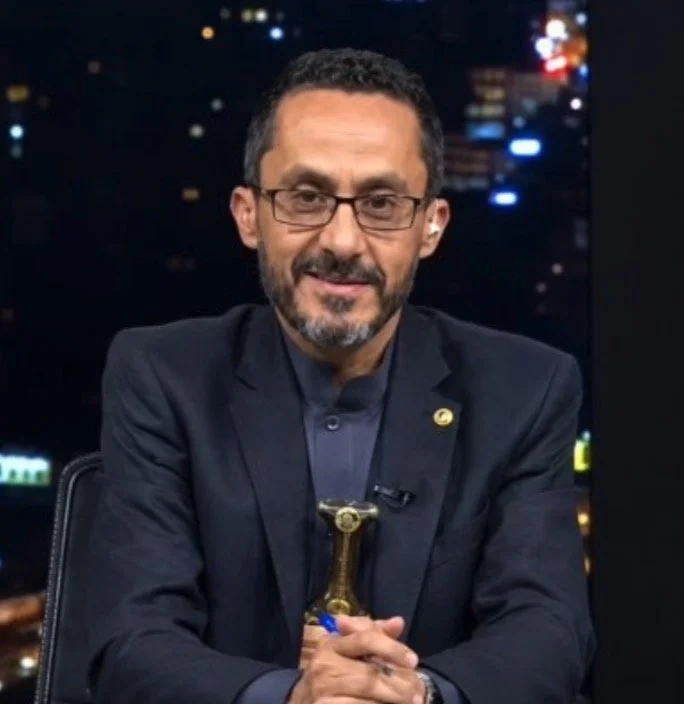
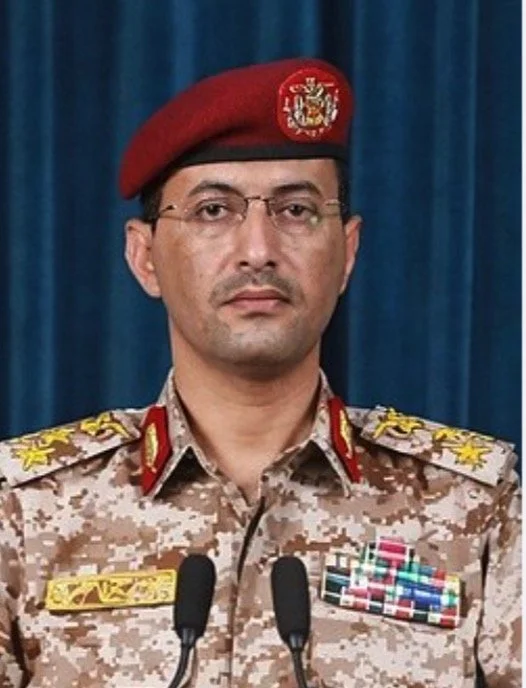

“We're in a new reality now. Power is shifting, and US hegemony and Saudi hegemony are breaking apart in the region. So anything is possible.”
The Saudi-armed and funded forces are on the back foot but it’s not over yet. Many Yemenis signed up to join the Saudi-led forces but opposition to Ansarallah is fragmented across many often warring factions riven by religious, political, tribal and other differences.
“It'll be interesting to see how deep those commitments are when there's no longer cash flowing into these fighters' hands,” Al-Adeimi says. “That's what Yemenis have wanted from the beginning: to end the Saudi and UAE money flowing to these fighters, and for Yemen to figure out what's next for itself. That could mean a civil war breaking out or negotiations, but hopefully it will be negotiations and dialogue.”
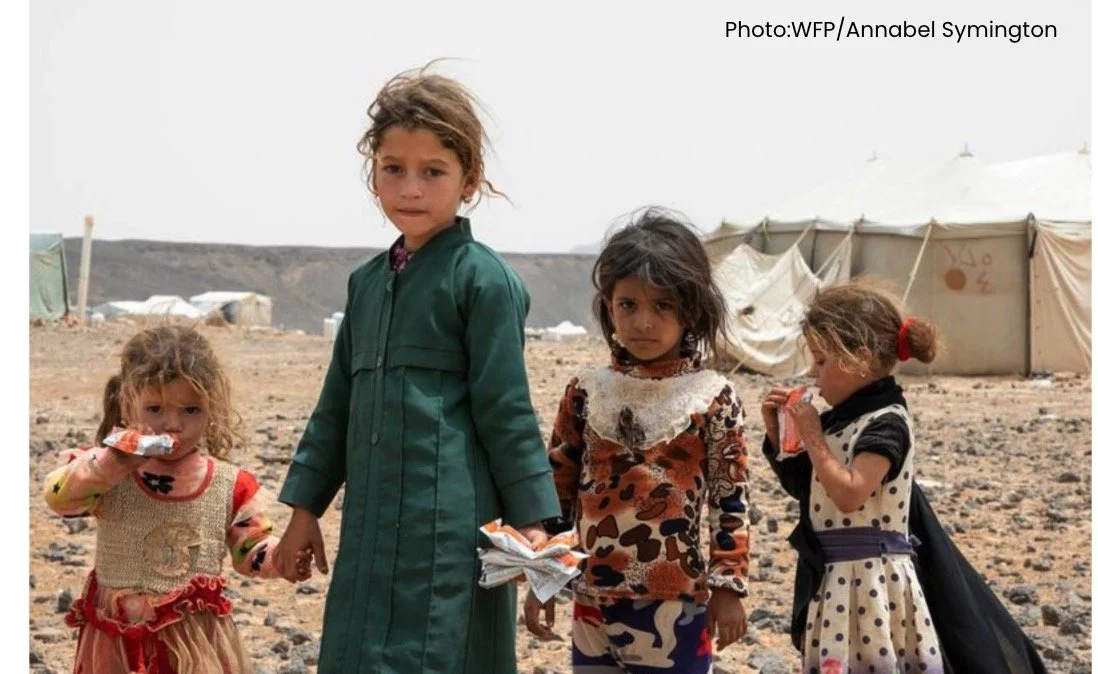
And if that happy day comes, you might have the astonishing thing: a Yemen of the Yemeni people, by the Yemeni people, for the Yemeni people.
“Isn't that what everybody wants?” Shireen Al-Adeimi says. “It's such a simple dream, one that every single person in any country would want for themselves. It's not dramatic, or progressive, or futuristic. It's such a basic right: for people to determine their own course.”
Eugene Doyle
Eugene Doyle is a writer based in Wellington, New Zealand. He has written extensively on the Middle East, as well as peace and security issues in the Asia Pacific region. He hosts solidarity.co.nz.
This article may be reproduced without permission but with suitable attribution.