Failure to lead – is New Zealand walking into an energy shock?
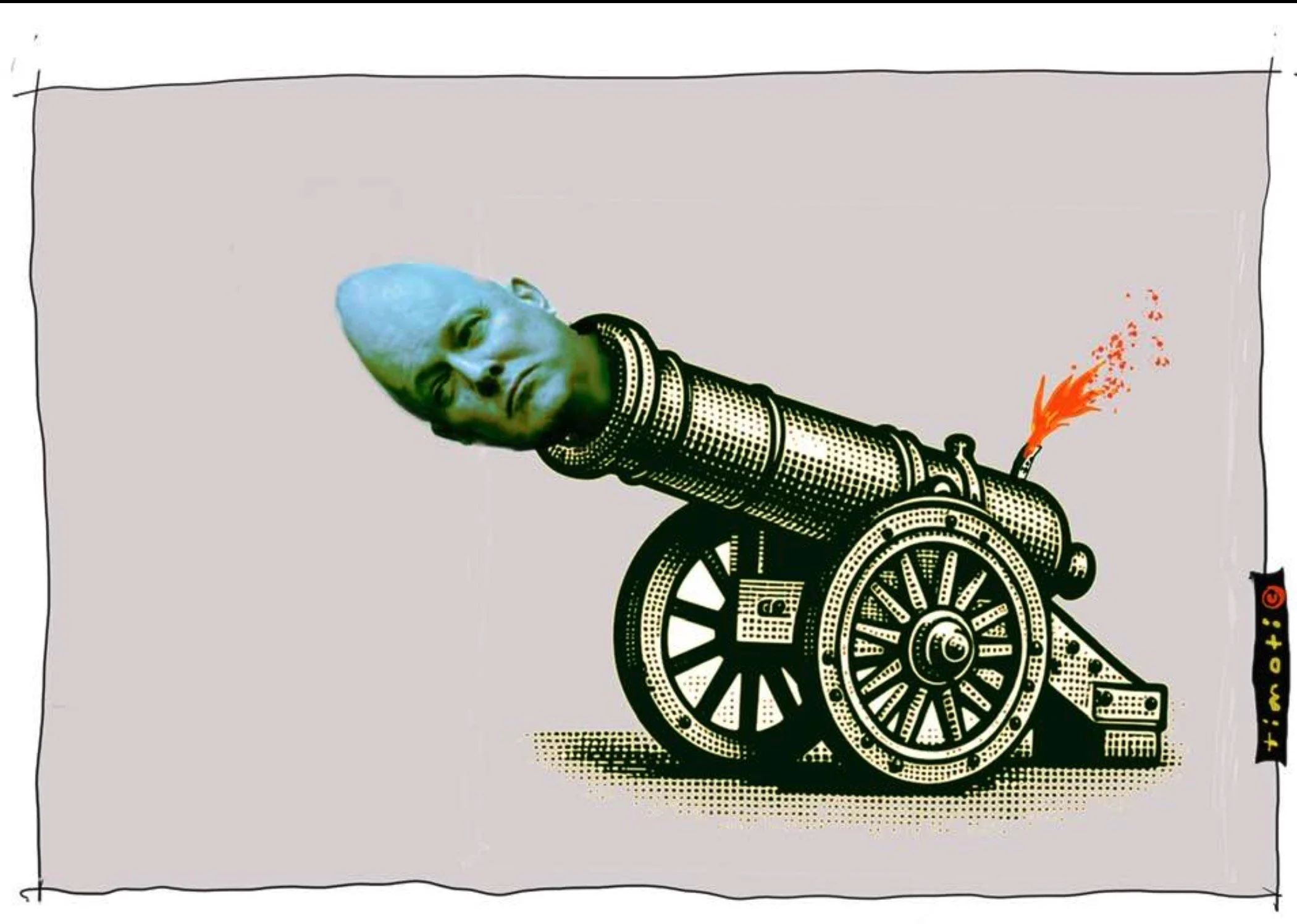
Prime minister Christopher Luxon should be fired over the imperilment of the New Zealand economy by his government’s laissez-faire response to the coming energy shock. The failure is compounded by a willingness to stand by Washington which will only help turn this into a long war, further harming Kiwis. In a time of war, energy must be considered a national asset not simply a tradeable commodity. Stopping the Americans and Israelis through every available channel should be a defence priority to safeguard our economy. Luxon is missing in action.
As I wrote back in January: “In a research paper in 2024-25 titled “Beyond 90 Days: A Critical Analysis of NZ’s 2025 Fuel Security Study”, the authors Matt Boyd (author of over 40 peer-reviewed publications) and Nick Wilson (Associate Professor of Public Health at the University of Otago) point out that New Zealand would face catastrophic consequences if cut off from diesel imports for as little as 90 days. They state that “a secure and resilient fuel supply is not just critical to New Zealand’s economy but potentially to New Zealand’s survival as a functioning society.”
And here we are. The International Energy Agency announced this week that we are at the start of the biggest shock to global oil supplies in history. Countries are scrambling to secure oil products after the US-Israeli attacks on Iran triggered the shut down of most traffic through the Strait of Hormuz. Local manufacturers in Asia, including our major suppliers, are pressuring governments to declare force majeure to keep oil at home. There is a non-trivial risk of a supply shock to New Zealand with the potential risk of losing supplies of diesel, petrol, aviation fuel and agricultural fertilizer.
New Zealand is, figuratively, at the end of the longest oil pipeline in the world. Ships have to travel thousands of kilometres from the Gulf to Singapore and South Korea – our major sources of refined products. Next, tankers trundle down to New Zealand at 12-14 knots, taking 2-3 weeks to get here. We are literally at the end of the earth. In a world of sharply rising prices and insecure supply there is a structural incentive for South Korea and Singapore to keep fuel "close to home", as other economies like Japan and China are now doing. That is a strategic risk to our economy.
What is the risk of a hard stop on our oil and fertilizer supplies? Jack Tame of TVNZ put it this way to Finance Minister Nicola Willis this week: “Prudent governments plan for the worst and hope for the best. So even if there is a tiny possibility – a 5% possibility – that this drags on, what does a worst case scenario look like?” Willis did not push back at the suggestion of a 5% risk – and that is highly relevant. Any leader of a major enterprise, let alone a government, needs to adjust policies to protect what they cannot afford to lose. Yes, that will create disruptions in our economy but a 1:20 risk of catastrophe may be good odds for a gambler but they are bad odds for the stewards of a nation.
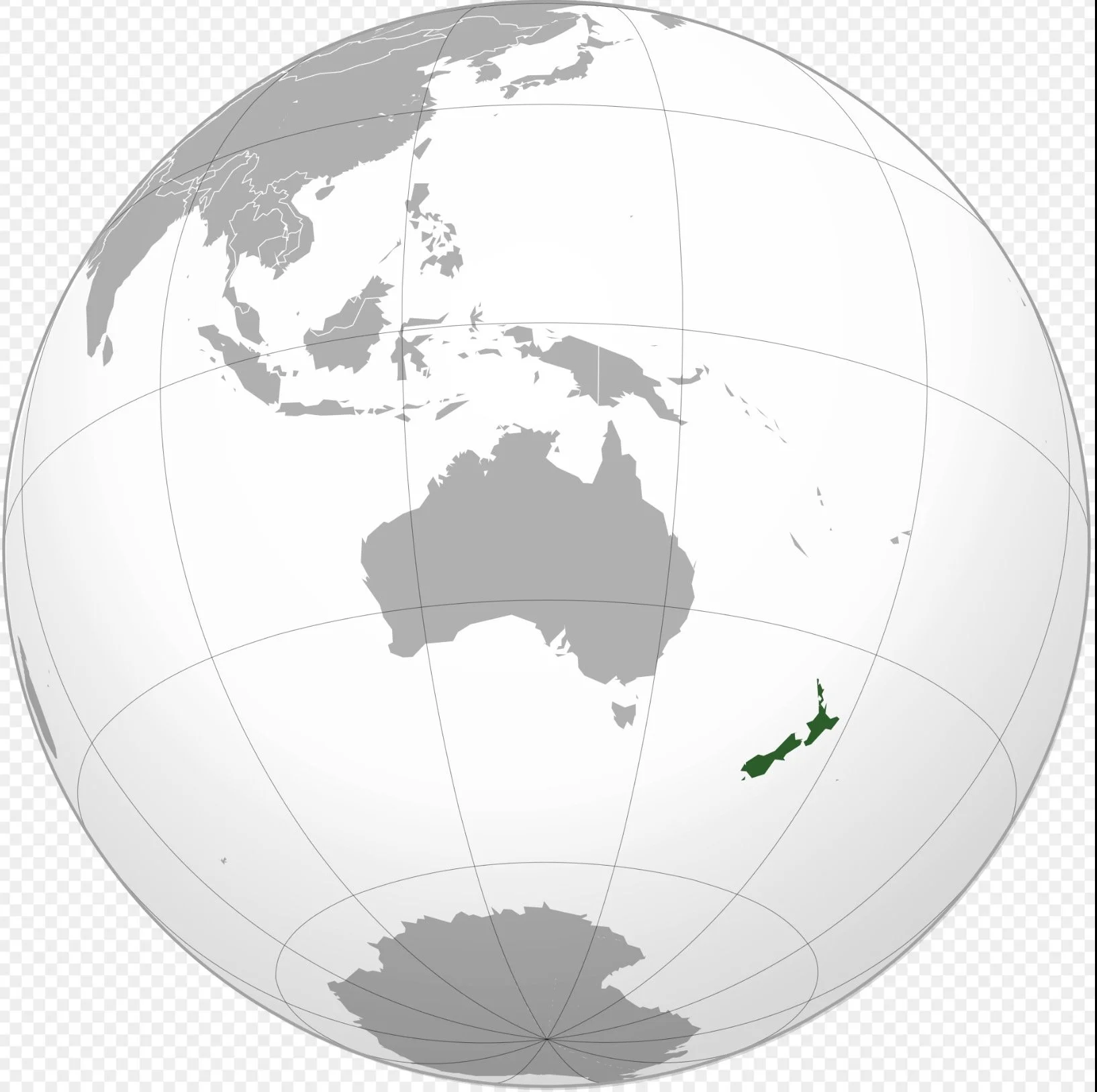
Oil voyage to the end of the Earth.
Image: Wikimedia Commons.
“We don't need to ration,” Minister Willis told Tame, “because we know we have enough in the country for at least 50 days of provision.”
To his credit Tame immediately fact-checked her. We have only 28 days in the country (as of 15 March) and another 22 days worth somewhere on the high seas, hopefully still heading our way.
New Zealand currently consumes approximately 10 million litres per day of diesel. Our freight and agricultural sectors would collapse without it. Major price spikes alone will hurt us. We use a similar amount of petrol. Jet fuel consumption is also in the millions of litres per day. LNG is used for commercial heating, industrial processing, and residential cooking. As the lyric goes: you don’t know what you’ve got till it’s gone.
Centre-left governments, because of their more interventionist DNA, tend to deal with the early phases of these crises better. I think of New Zealand Labour at the start of the Covid epidemic in 2020 which gained praise worldwide for its rapid lockdown which likely saved tens of thousands of lives. Or we can look back to the US at the start of the Great Depression. Republican President Herbert Hoover during the 1929 crash clung to the "orthodoxy of the market". Hoover’s philosophy was of rugged individualism and he firmly believed government intervention in business would destroy American liberty … but then the pillars of American capitalism crumbled. Cue: President Franklin Delano Roosevelt, a proactive interventionist who launched The New Deal.
New Zealand could be saving millions of litres a day if the government abandoned its hands-off approach and took charge. Speed limits should drop immediately on all roads, free public transport should be offered for the duration of the crisis to get millions of daily car movements down, it should run education campaigns to encourage working from home days, cycling, car pooling and other measures to mobilise the population to conserve. I think of it as insurance, the government thinks of it as Nanny State.
Willis told the nation this week she was “very reluctant to adopt the role of the school ma’am telling people what to do with their own lives”. That’s Hooverian rugged individualism, I guess.
The government needs to perform a paradigm shift: thinking of the oil products in the country as a strategic national asset rather than a tradable commodity. Here’s why:
Australia got the bombshell news this week that China had announced force majeure and halted all exports of petrol, diesel and jet fuel. China is a major supplier to Australia, including being its largest supplier of jet fuel. This is the world we are now in thanks to the US-Israeli attack.
And then there is Luxon’s other failure: his refusal to address the root cause of the chaos: a reckless war of choice that has blown up the global energy market and which risks doing this country great harm. In speech after speech since assuming the premiership, Luxon has invoked the chimerical ‘rules-based international order’.
“As Prime Minister, I have a responsibility to do everything I can to both bolster the existing rules-based order and to further strengthen New Zealand’s position offshore,” Luxon said.
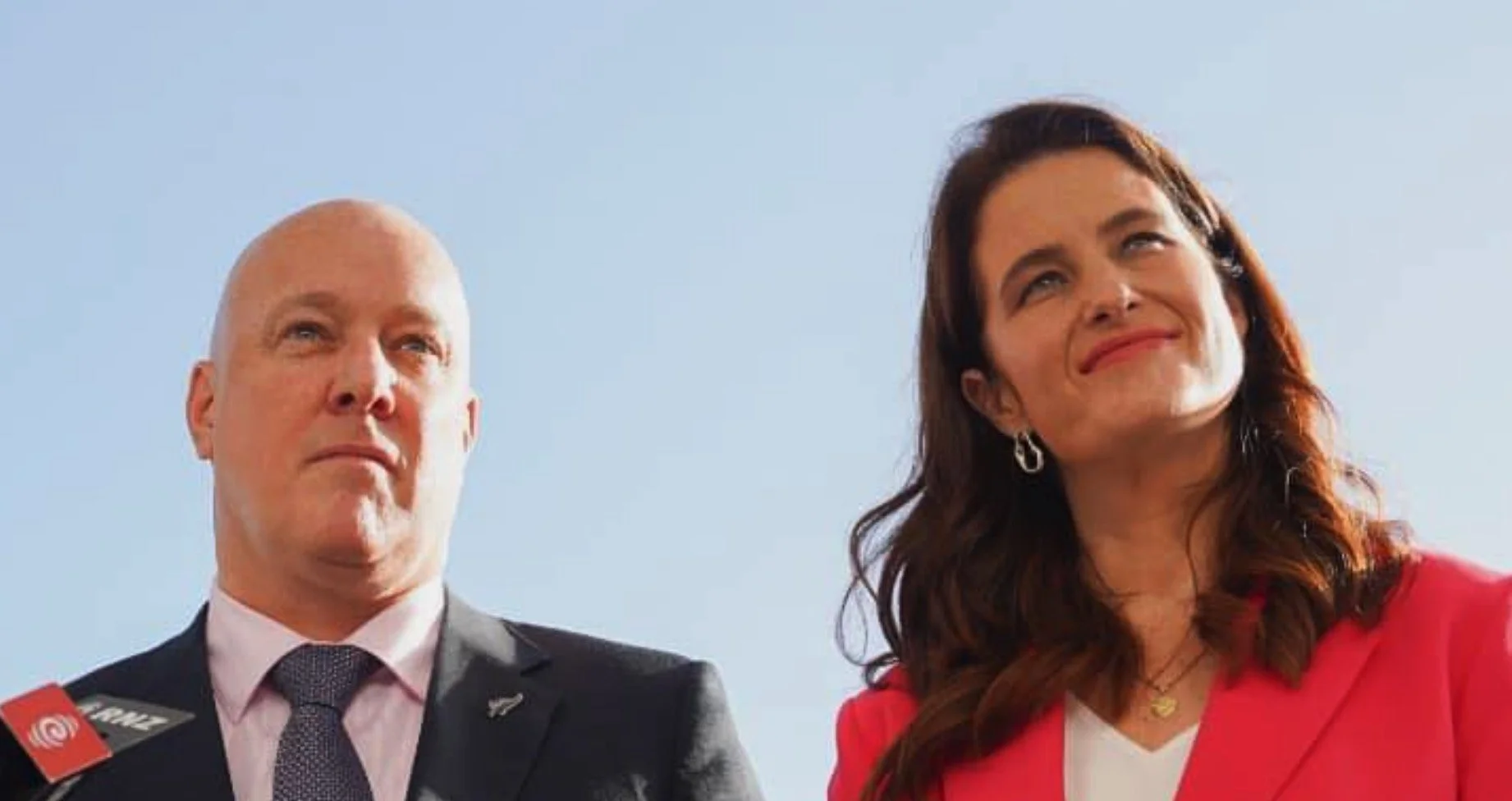
Today that comment rings as hollow as a cow bell. Following the US-Israeli attack on Iran in the midst of peace negotiations, Luxon abandoned the UN Charter which proscribes the use of force against sovereign nations.
“The United States and Israel carried out targeted strikes in Iran,” Luxon said on the day 165 school girls were killed by the Americans. “These actions were designed to prevent Iran from continuing to threaten international peace and security.”
Standing up to bullies takes the kind of courage, the cojones, shown by Spanish Prime Minister Pedro Sanchez or, dare I say, President Pezeshkian of Iran who walked among huge crowds in Tehran this week as Israeli missiles struck nearby. Christopher Luxon, I fear, is not made of such stuff.
Will Luxon cower before the Americans if they threaten sanctions or extend a carrot to join an alliance? New Zealand’s interests are best served by telling the Americans to end this illegal war. The Prime Minister must show the courage to refuse to be drawn into an imperial war of choice that is wrecking the international rules-based order, desecrating the United Nations Charter, and imperilling New Zealand and the global economy.
Eugene Doyle
Eugene Doyle is a writer based in Wellington, New Zealand. He has written extensively on the Middle East, as well as peace and security issues in the Asia Pacific region.
This article may be reproduced without permission but with suitable attribution.