The US and Israel have, for decades, pursued the destruction of Iran as a sovereign state. We are now in the opening days of what may be the final, decisive war to determine either the survival of the Iranian state or the expulsion of the US from the Arab lands and the creation of an entirely new security architecture for West Asia. Sounds implausible? We live in truly unprecedented times and many scenarios are possible. There are signals as to what may come next and to help identify them I spoke with US Ambassador (ret) Chas Freeman.
Whether intended or unintended, the US and Israel are in the process of severely damaging the economies of the Gulf States. By attacking Iran, they knew full well what the Iranians would do in response – after all, Iran had warned that any further attack on it would lead to a regional war. Are we witnessing a brazen plan to destroy both Iran and seriously weaken the Gulf States, using Iran as a weapon to do the latter? Could this be a Machiavellian plan to throw a cluster bomb into The Great Muslim Reconciliation between the Sunni states and Shia Iran? Will the war halt or accelerate the project to create an Islamic NATO which is based around last year’s Saudi-Pakistani defence pact? The Saudis have the dollars; the Pakistanis have the nukes and the troops.
The permanent isolation of Iran was the centrepiece of the US-promoted Abraham Accords – designed to bring the Israeli regime into the circle of love and keep Iran out in the cold. Anything that runs counter to this is a threat. The war comes at a time when Iran and the Gulf States had taken major steps to mend fences after decades of hostility.
The murder of top Iranian General Qassem Soleimani on orders of Donald Trump in 2020 was supposed to kill off a diplomatic rapprochement between Saudi Arabia and Iran. Soleimani and other officials were killed in a US missile strike at Baghdad airport without the permission of or notification to the Iraqi government. He was, according to Iranian, Saudi and Iraqi sources, including Iraqi PM Adil Abdul-Mahdi, heading for a meeting with his Saudi counterpart to broker a peace deal. The assassination was successful but the US attempt to kill off the peace process failed.
US sabotages diplomacy
A week before the US and Israel launched their latest attack, Egypt and Iran announced that they had agreed to fully restore diplomatic relations and exchange ambassadors. It was the latest in a series of such moves to bring Iran in from the cold.
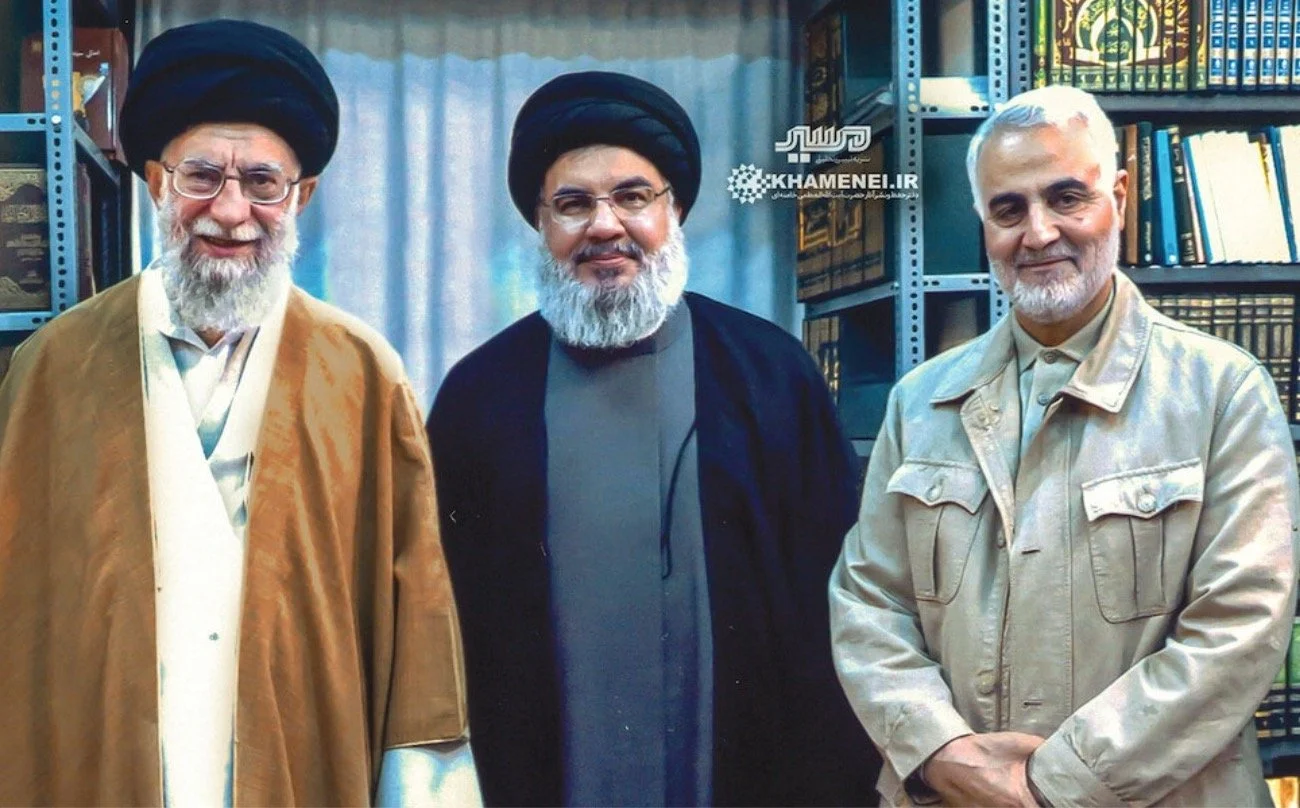
UAE opened an embassy in Tehran in 2022 which rattled the Pentagon. Under the aegis of China, a historic reopening of embassies occurred between Tehran and Riyadh (Saudi Arabia) in 2023, and was swiftly followed by Abu Dhabi and other Muslim states. The long cruel stranglehold the US had placed on Iran since the 1979 overthrow of US client and autocrat Shah Reza Pahlavi was starting to loosen. Iran’s economy could at last recover – which would improve life for millions of Iranians. This was the last thing the sanctions-crazed USA wanted.
The Israeli attack on Doha
The Israeli attack on Doha on 9 September 2025 will likely be seen as a watershed moment for the Arab states. The target was Hamas negotiators including Khaled Mashal, chairman of the Hamas Political Bureau, adding to a growing list of attacks on negotiators by (let’s be honest) the ever-perfidious Israelis and Americans. Among the victims were Qatari security personnel and civilians. Qatar correctly decried it as state terrorism. The Arabs took note: the US didn’t stop the attack from happening and deployed no interceptors despite being Qatar’s security guarantor.
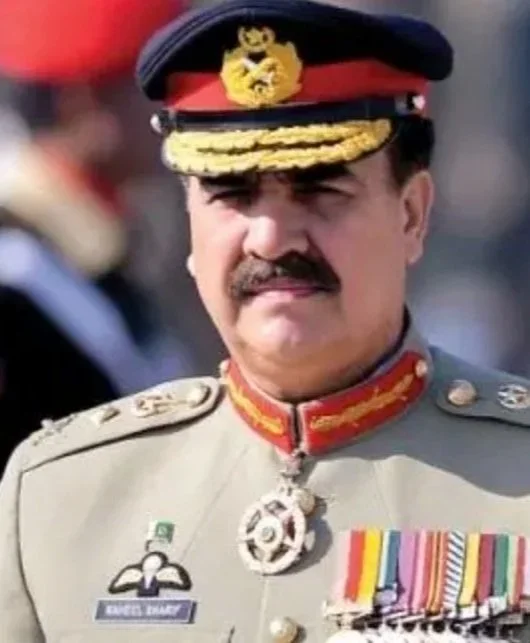
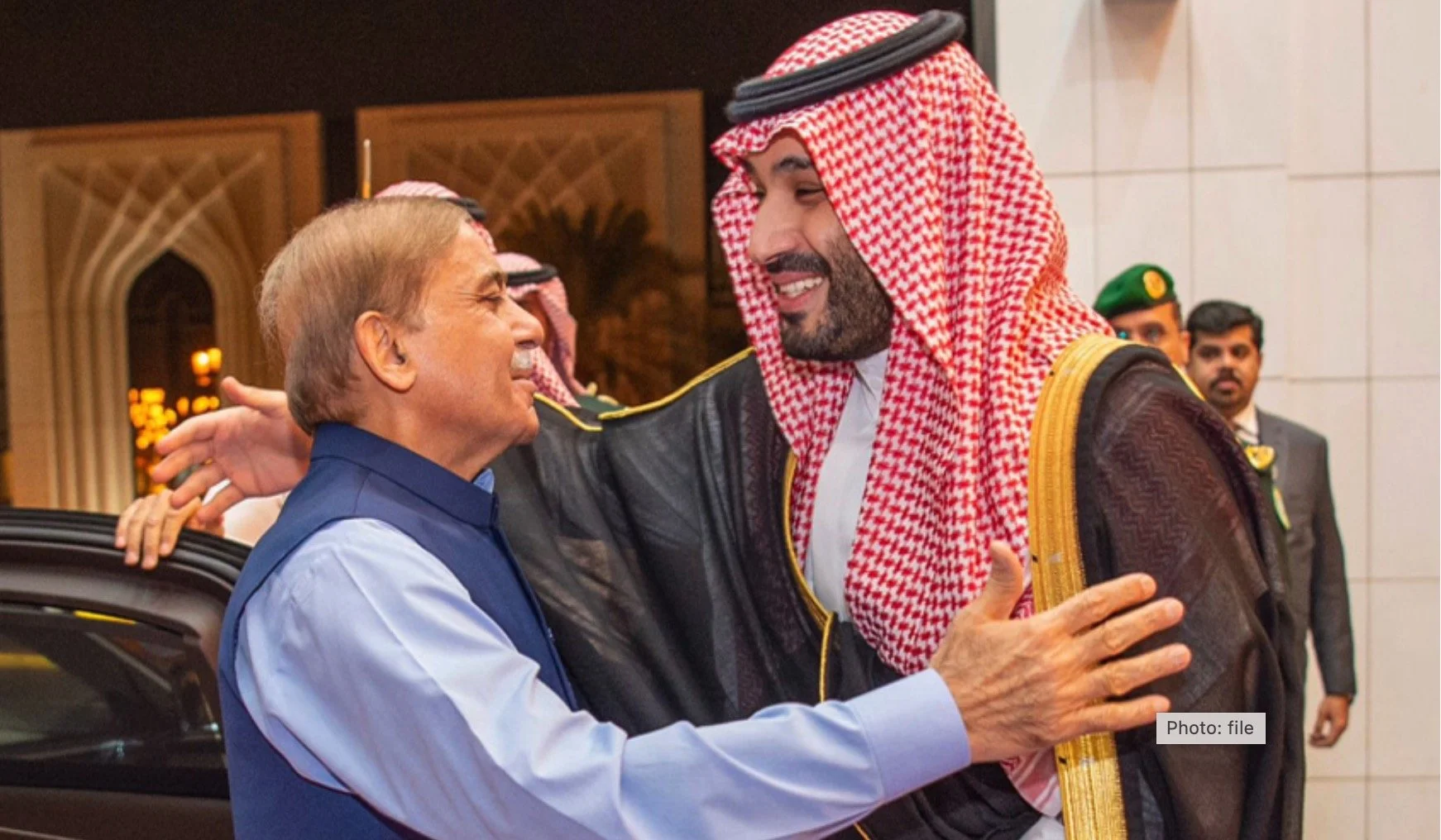
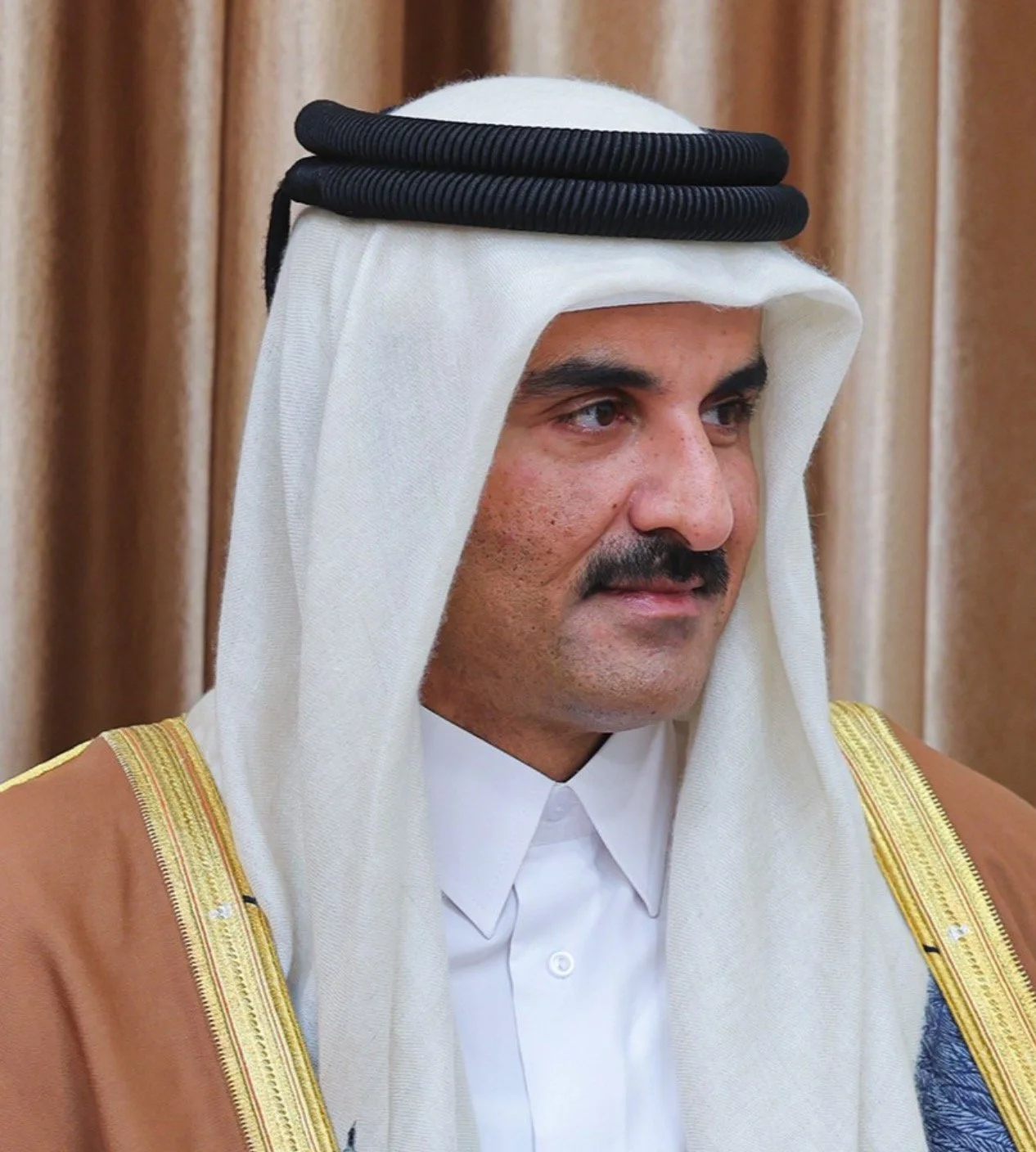
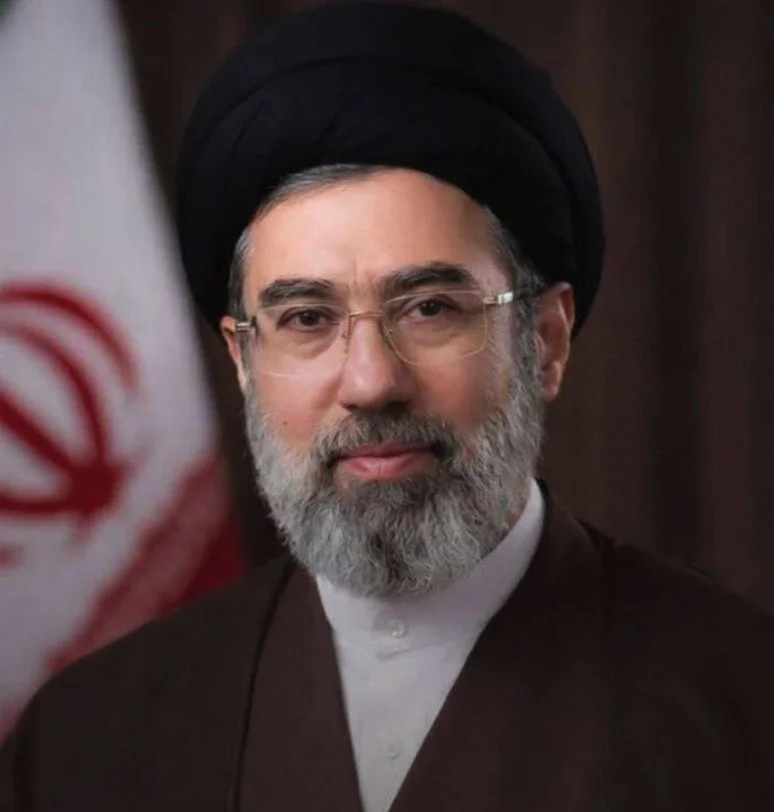
As the Middle East Institute pointed out shortly after, “Within days of the Israeli strike, [Pakistan’s] Prime Minister Shehbaz Sharif visited Doha in a show of solidarity. Seizing the crisis as an opportunity to elevate Pakistan’s strategic presence in the Gulf and the wider Middle East, its government voiced support for the proposed formation of a joint Arab-Islamic security force.”
The quickly signed Strategic Mutual Defense Agreement (SMDA) got a lot of attention in West Asia and was soon dubbed an “Islamic NATO” – an alliance that could one day replace American boots on the ground. The Gulf States were also slowly coming to the realization that America was unreliable, Israel was a genuine threat and Iran might be useful as a counterbalance to the US and Israel. A Pakistani nuclear shield and conventional military backup was being discussed as far away as Ankara; there were even whispers Iran might be invited to join.
Now, back to that question of whether the US is, through its war on Iran, deliberately weakening the Gulf States as part of a strategy to keep the Muslim world divided. I asked US Ambassador (ret) Chas Freeman and he replied, “I think you give far too much credit to the United States, and more particularly, to Israel, in terms of devious planning to do these things in the Gulf,” Freeman said.
“We're actually pretty stupid and clumsy at what we do. Look at what we're doing with the Peshmerga and the Kurds. How stupid do you have to be to do that?”
Ambassador Freeman is highlighting what has been a recurring cycle in US foreign policy – strategic betrayal – in which it uses groups like the Kurdish Peshmerga or the freshly-minted Coalition of Political Forces of Iranian Kurdistan (CPFIK) to attack US enemies only to throw them under the bus the moment they have served their purpose. The CIA and the White House have tried to lure the Iranian Kurds into the current battle, Trump blurting out how “wonderful” it would be and how the map of Iran would be redrawn. This will only fuel Iranian nationalism.
Ambassador Freeman is numbered amongst those who believe that the US-Israeli defense shield is running low on interceptors and Iran could strike back hard in the coming weeks. He also surmises that the Iranians will have secretly signalled to the Gulf States that a condition of the war ending – if Iran gets to set the terms – will be the removal of all US military from the Gulf States. None of us can say with certainty what the respective breaking points for the belligerents are but I certainly believe Iran is very far from out of the fight that the US and Israel has forced on them.
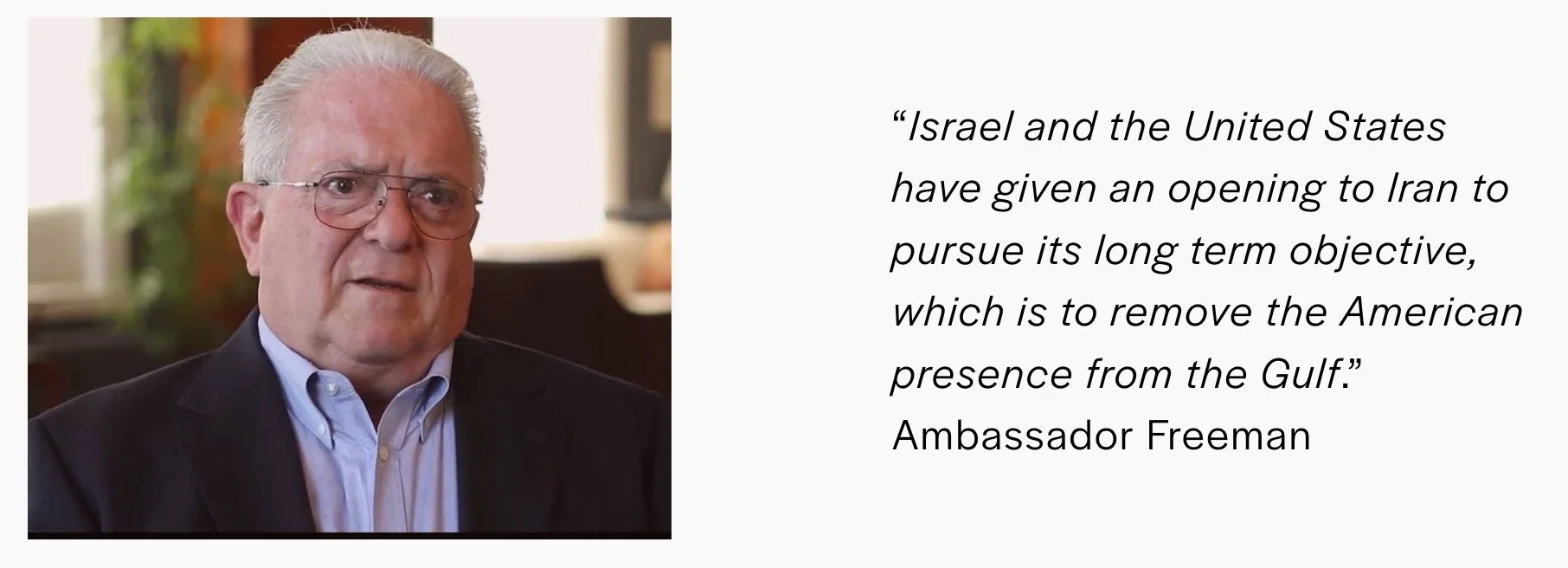
“Prior to the US-Israeli attack, the Gulf Arabs were moving – in their usual incoherent and inchoate way – toward some kind of coalition with Iran to balance Israeli military hegemony in the region,” Ambassador Freeman told me.
“Now Israel and the United States have given an opening to Iran to pursue its long term objective, which is to remove the American presence from the Gulf. Iran has turned a vicious attack on it into a strategic opportunity to force the Gulf States to do a cost-benefit analysis.”
Chas Freeman is probably right: the US didn’t intend to shatter the Gulf States as one of its war aims. That leaves the more plausible explanation: the Americans and Israelis are simply demented and war-crazed. Either way, the US-Israeli war machine must be stopped for the sake of humanity.
Eugene Doyle
Eugene Doyle is a writer based in Wellington, New Zealand. He has written extensively on the Middle East, as well as peace and security issues in the Asia Pacific region.
This article may be reproduced without permission but with suitable attribution.