Kharg Island – into the valley of death
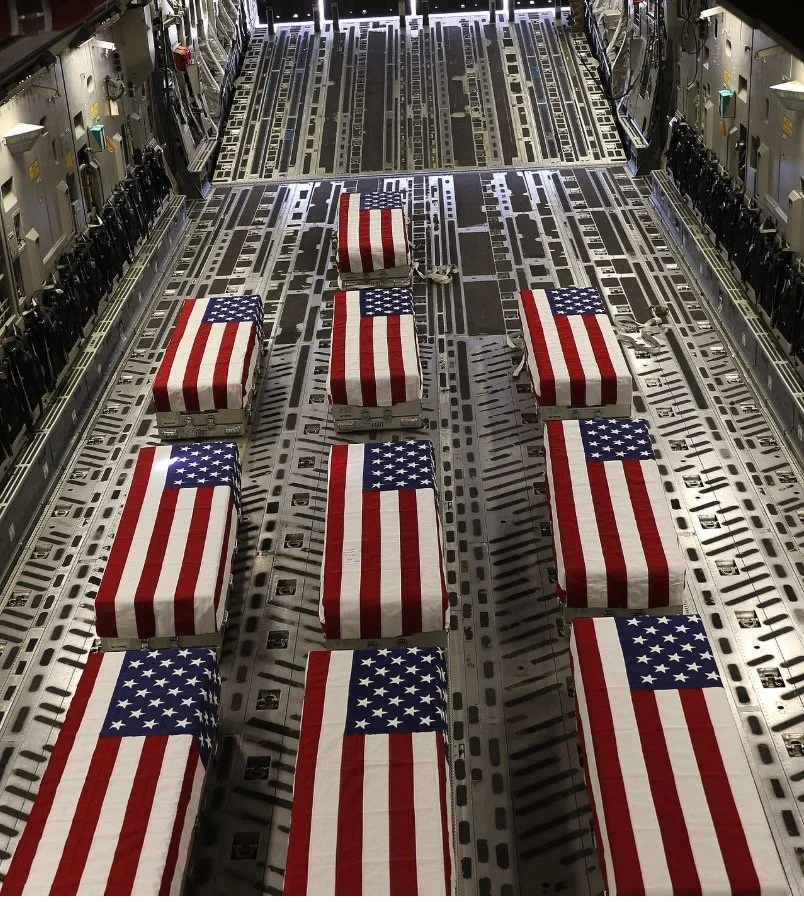
Described by analysts as a suicide mission, there are nonetheless rumours the US president has his eye on securing for the long-term the Iranian oil facilities on Kharg Island. “Just take the oil” has long been his motto. But I am beginning to wonder if a desperate Donald Trump is preparing to deliberately throw US Marines into a meat grinder in Iran. The attack on Iran has so far garnered little support from key parts of the MAGA base. Dead servicemen have traditionally helped to mobilise the American public into a war frenzy. Could the sacrifice of a Marine expeditionary force be a price the 47th President thinks is worth paying? Would such a ploy work and revive his fortunes with the public? Or will he have to pay the butcher’s bill in the US mid-terms?
“The God of War
Money changer of dead bodies
Held the balance of his spear in the fighting
And from the corpse fires of Troy
Sent to their dearest the dust
Heavy and bitter with tears shed
Packing smooth the urns with ashes
Of what once were men.
They praise them through their tears
How this one went down splendid in the slaughter
How this one knew well the craft of war.
There by the walls of Troy
The young men in their beauty keep
Graves deep in the alien soil
They hated and they conquered.”
Aeschylus 480 BCE.
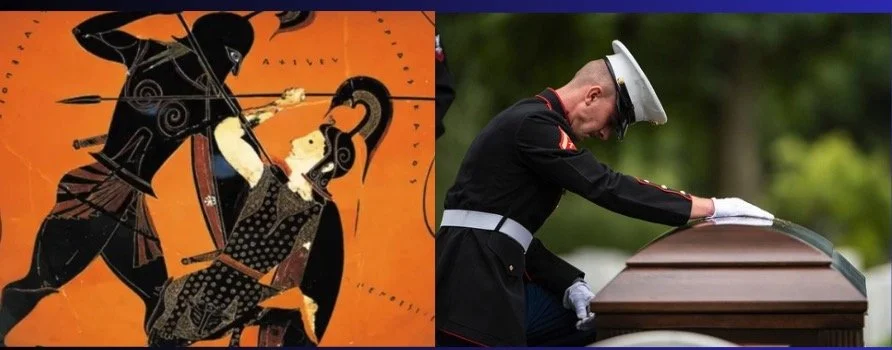
Aeschylus, the father of Western drama, a Greek who fought at the Battle of Marathon, knew a lot about wars, resistance to imperial armies, and the cruelty of wars of aggression launched by leaders with little consideration for the young men who are sent on missions of conquest – or the other young men, like him, who stood their ground and fought them.
I have read those lines so many times over the years that I know them by heart. They may even have informed the spirits of later war poets like Wilfred Owen and Siegfried Sassoon. Aeschylus’s fine observations should give the Americans pause before, as we fear, they send boots and bodies into the valley of death on Kharg Island, the home to the oil so essential to Iran’s long-term survival as a viable state.
Another poet, Shakespeare, cautioned leaders like Trump and Macbeth against their 'violent loves’ which out-run ‘the pauser, reason’. Before he did the bloody deed Macbeth had enough insight to know that his actions would lead to uncontrollable consequences. He understood that his actions were motivated not by love of kin or country but by vulgar self-interest. He also realised that he stood “upon this bank and shoal of time” where “We still have judgement here”, meaning that there was still time to pause, to reconsider before the gates of hell opened and the dogs of war came rushing out. I fear we are at such a moment – that a missile war will turn into a ground war and more. I also fear that like many presidents before him, Trump has neither the brains nor the humanity to step back.
Kharg Island in the Persian Gulf – or some other target the Americans choose to fling thousands of Marines at – may be the moment when we see a huge increase in servicemen dying for the US-Israeli Empire. Throwing a first wave of Marines onto the sacrificial altar of Iran’s shores may be a deliberate act by Trump to dupe a gullible and patriotic US population into believing that more war, more killing is now justified. I hope not. But the US elites are so dark and desperate that piles of Marine body bags may seem a good investment to swing the popular mood towards war. Again, I hope not. How long can people fall for this stuff?
Like the Greeks at Marathon, Thermopylae and Salamis, the Iranians know the Empire will not turn back home unless compelled to do so. Iranians, for their part, will fight with tremendous skill and courage to defeat the invaders. Nationalism – the love of one’s country – is such a powerful thing that, in the words of a compatriot of mine, “it banishes fear with the speed of a flame and makes us all part of the patriot game.”
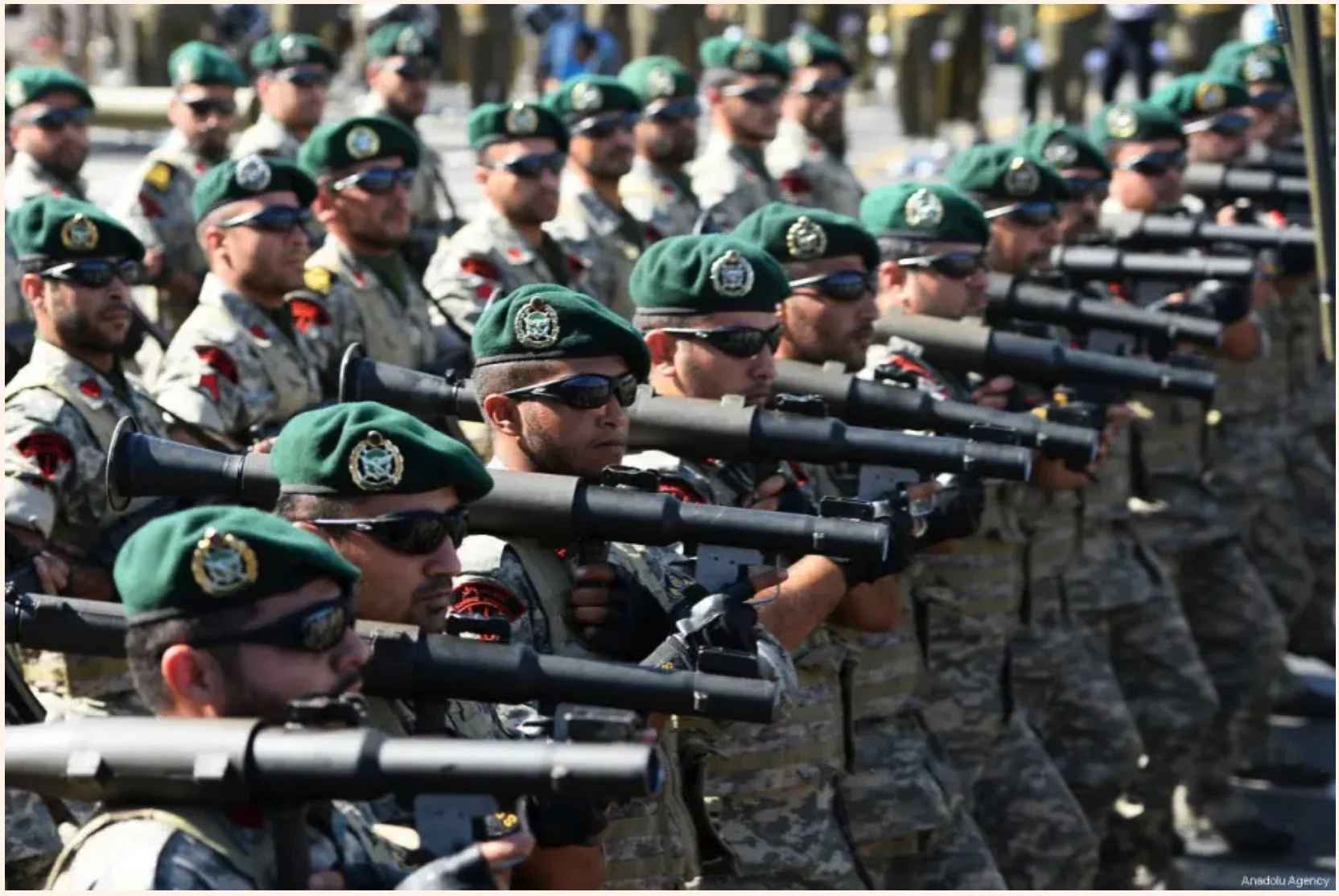
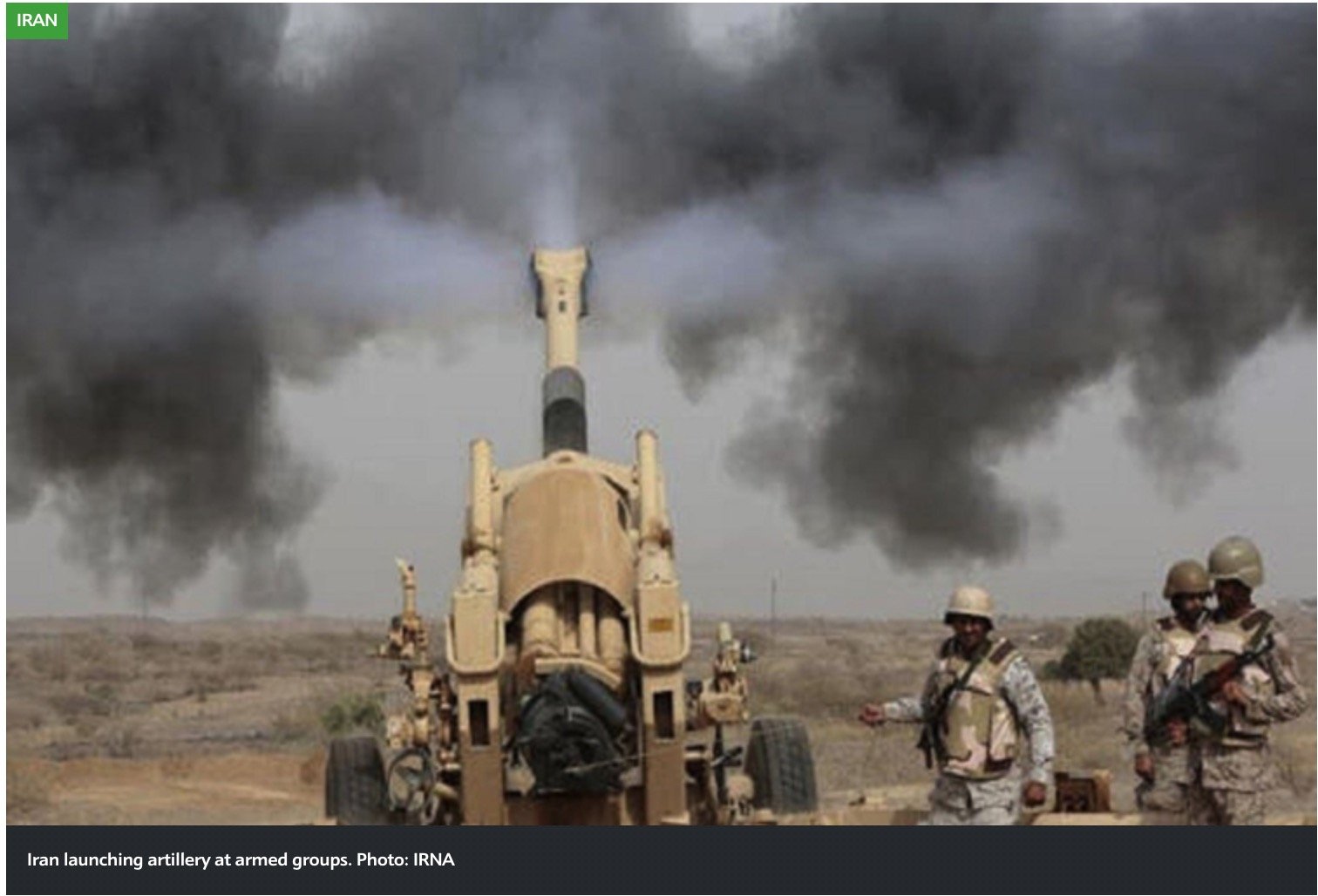
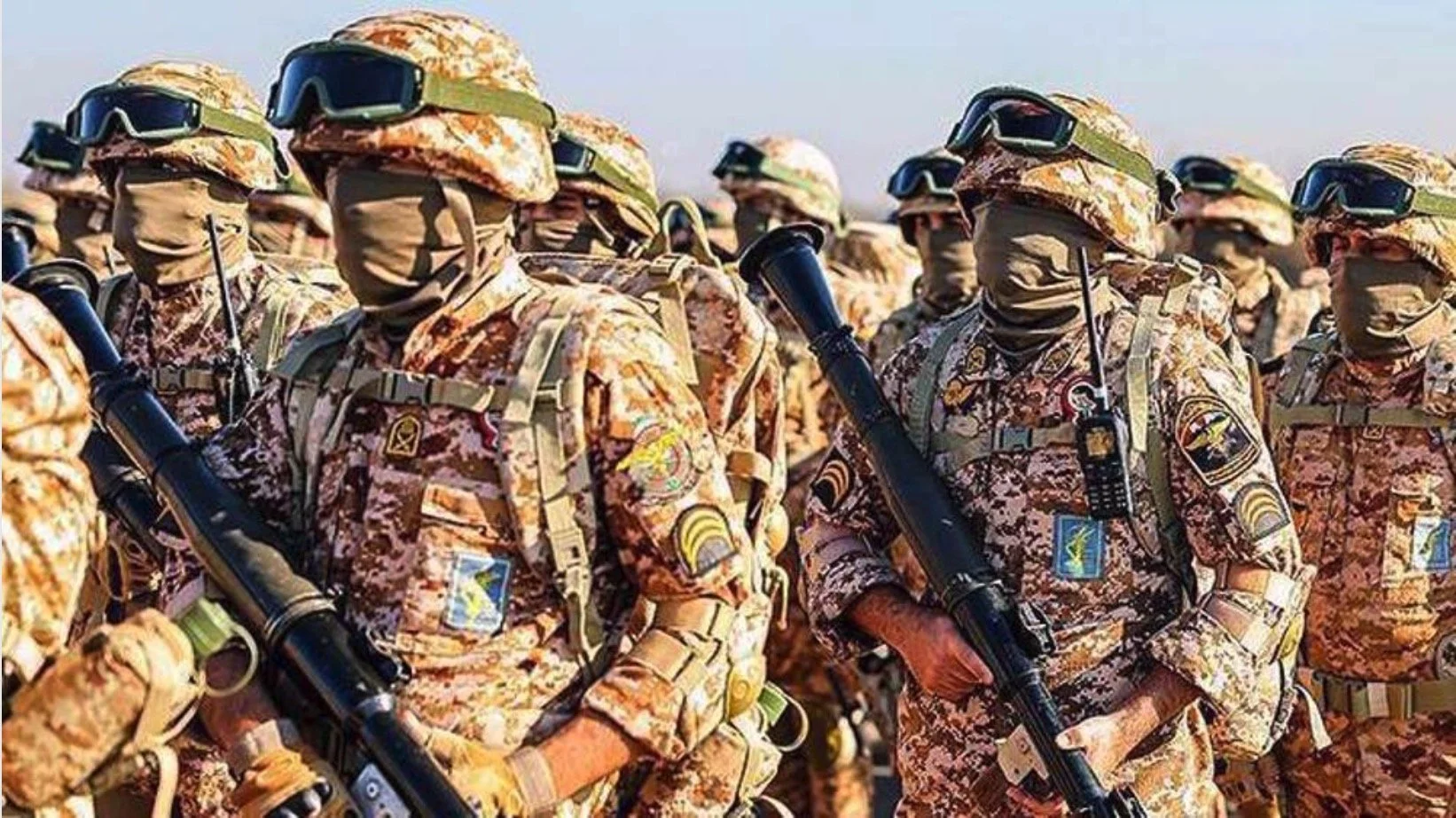
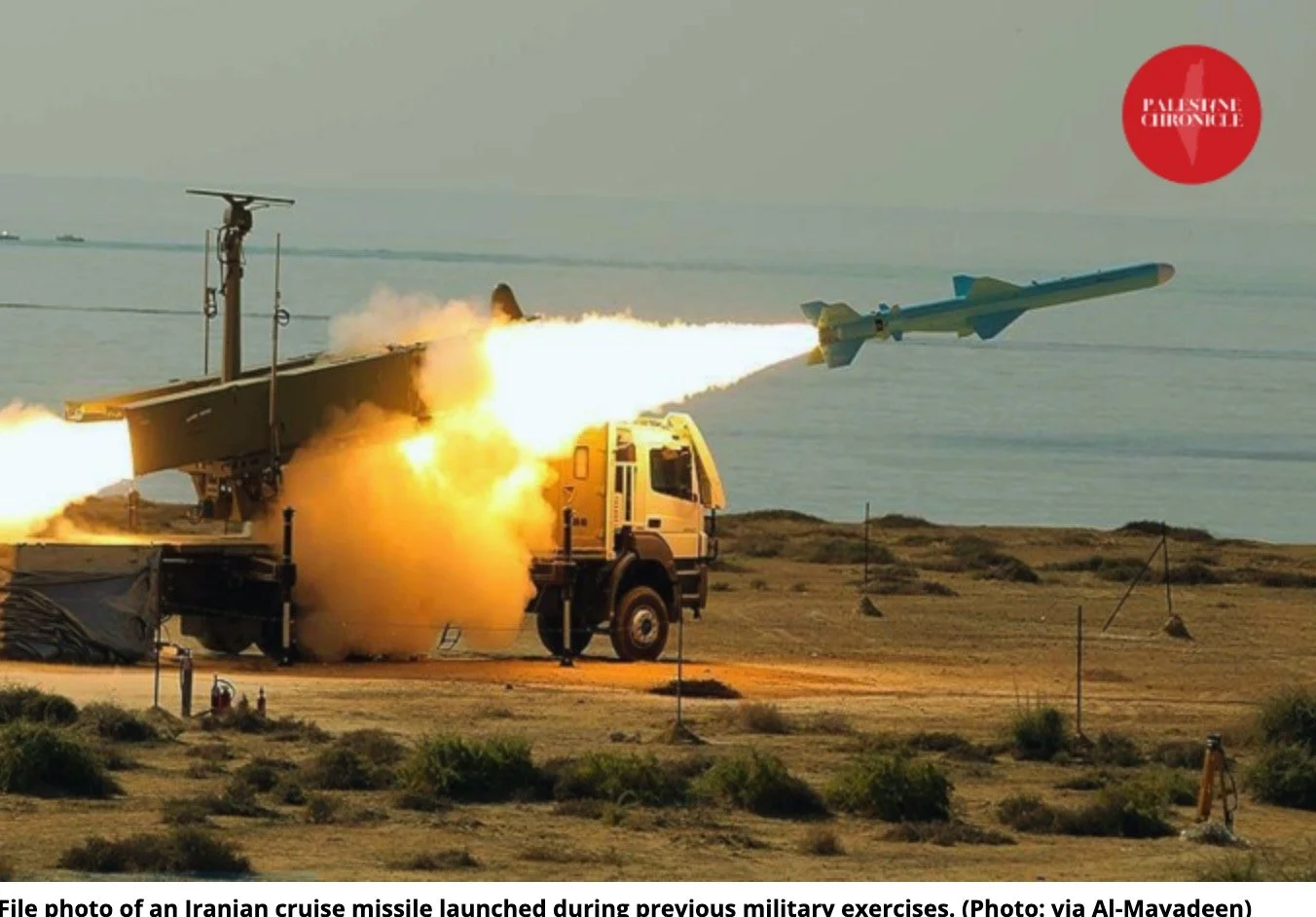
But enough poetry, here are a few hard facts. Iran has a well-trained army of over 600,000 men. They have hundreds of thousands of militia members, many of them combat veterans of theatres like Syria and Iraq. They have 350,000 reservists. Yes, they have 1500 battle tanks, but likely more deadly to American forces are the thousands of artillery systems that are the centrepiece of Iran’s land defences and have yet to see action. Wherever the Americans and Israeli invaders attack, hundreds of artillery pieces will be trained on them, thousands of drones will, as in the Russia-Ukraine war, make progress slow and bloody.
Every day the US President and Secretary of War tell us that Iran’s military potential has been, to use Trump's favourite word, “obliterated”. Every day the Iranians hit sites across the Middle East and have yet to deploy a single of their cruise missiles which US analysts say they hold in large numbers.
How, everyone is asking, could the Americans get to Kharg Island near the bottom of the pocket of the Persian Gulf? If it is a seaborne assault, they might charge through the Strait of Hormuz, traveling 1000km along the Iranian coast in vessels under a blizzard of fire. Or they could dispense with consent (geopolitical Epsteinism) and force an Arab country to submit to an expeditionary force moving through their territory. Assembling the troops and the landing craft would be a huge, highly visible operation that would invite Iranian short-range missile and drone attacks that could wreak havoc before they even get near Iran. Choppers and parachutes would be a frightening way to make land.
The Iranians have made clear, if the Americans come for Kharg Island, they will turn the region's energy facilities into ashes. They showed their potential after the Israelis attacked the Pars gas field last week, striking back within a couple of hours and taking out 20% of the world’s biggest LNG production trains at Ras Laffan. Hours after the US-Israelis attacked the Natanz nuclear facility (I thought that had been obliterated last year?) Iran pierced Israel’s missile defence shield and dropped a warning note – a massive missile – a few kilometres from Israel’s Dimona nuclear plant. World energy will be in turmoil for years if the Americans attack and Iran makes good on their threats.
Alternatively, the US-Israeli invasion force might hit the beaches near the Pakistani-Iranian border – or somewhere entirely different. There has been recent noise about smaller islands closer to the Strait of Hormuz. Wherever they choose, they will be met by Iranians who will be fighting on home territory and for their homeland.
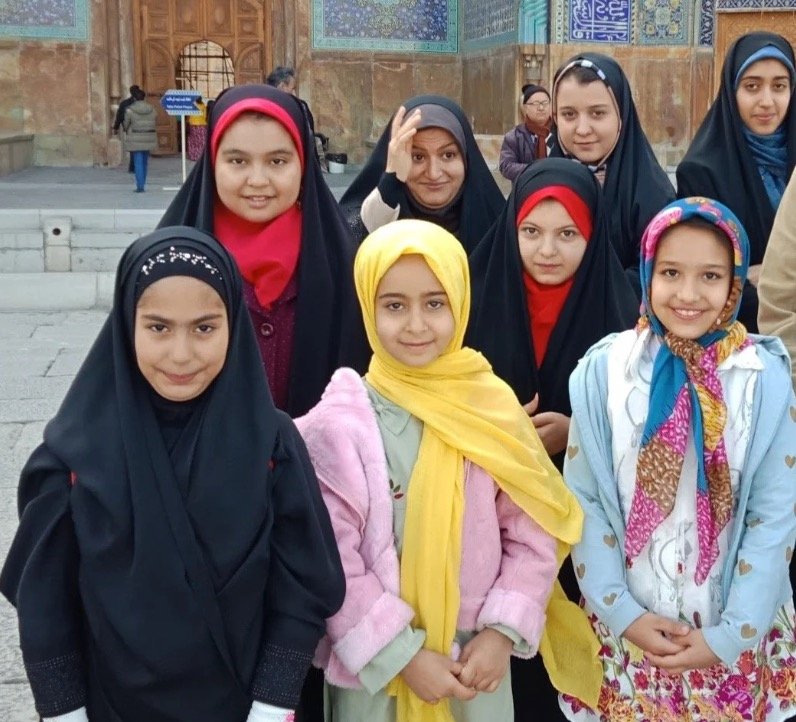
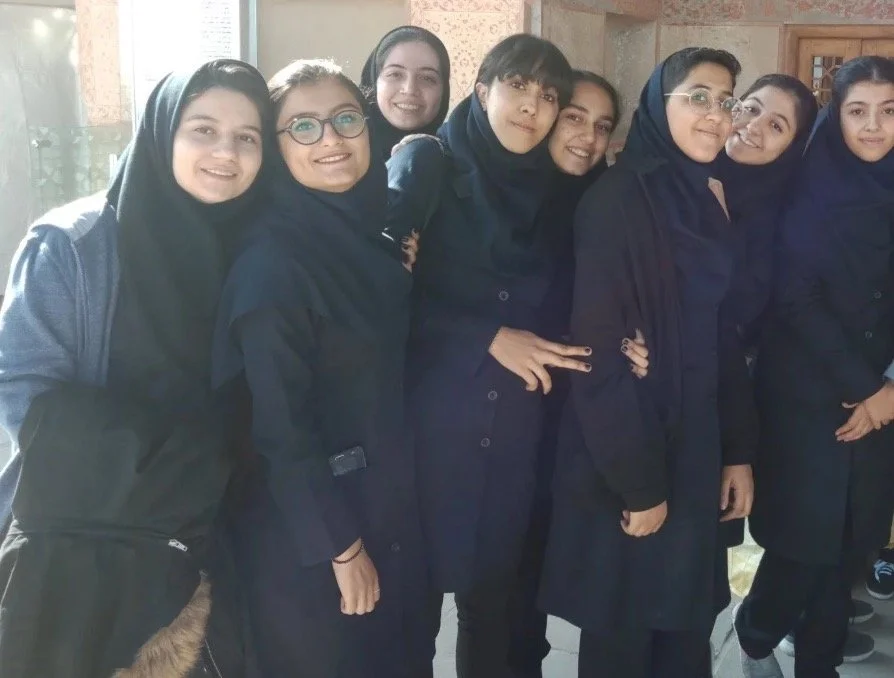
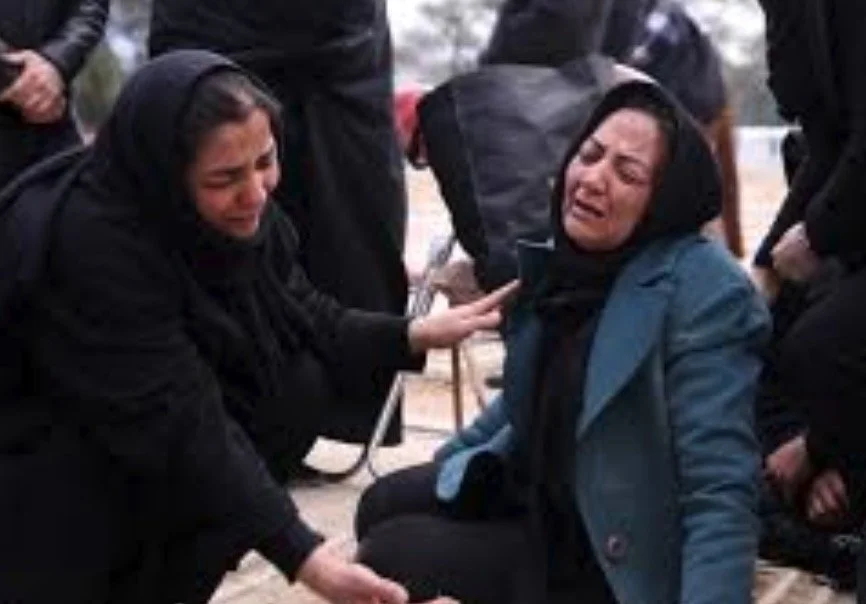
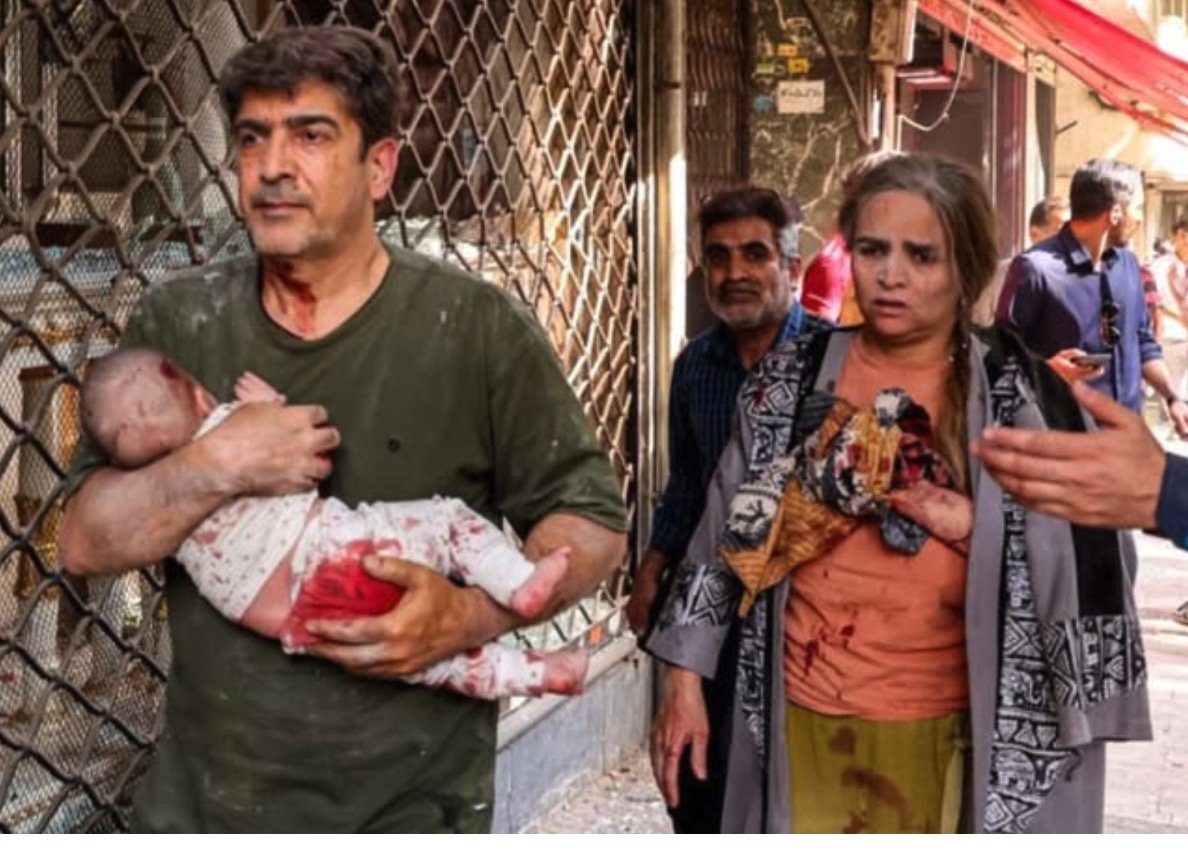
Another consideration are the civilians. Kharg Island, for example, is home to 10,000 of them. As we have learnt over the decades – from Korea and Vietnam through to the genocide in Gaza – the US and Israelis have utter contempt for civilians lives. For example, in the Russia-Ukraine war, child deaths represent somewhere between 1% and 3.6% of the total killed in Ukraine in 2025, according to the Office of the United Nations High Commissioner for Human Rights and UNICEF. The UN says about 43 civilians are killed per week in Ukraine. In Gaza, the UN Human Rights Office found that children and women accounted for nearly 70% of the total deaths, evenly split between women and children.
Nothing makes sense about the US attack on Iran. Nor do we really know what Trump has in mind for Kharg Island. If he succeeds in seizing it, will he ever willingly give it back? There are clues. I will give the last word to Donald J Trump. In a televised address at CIA headquarters in 2017 Trump lamented that the US let the Iraqis hold on to their oil after the Gulf War.
“We should have kept the oil. But OK, maybe we'll have another chance."
Eugene Doyle
Eugene Doyle is a writer based in Wellington, New Zealand. He has written extensively on the Middle East, as well as peace and security issues in the Asia Pacific region.
This article may be reproduced without permission but with suitable attribution.