This article is about how literature can sometimes be life-changing. In writing my upcoming article Jesus Wept: Pacific Forum endorses Israel & Genocide I made a small discovery that is relevant to the issue that we should all care about: the moral collapse of countries such as Australia, New Zealand and the collective West. It’s about Lazarus. No, not the one who Jesus resurrected from the dead. The other one, also a biblical figure. It is one of those bible stories that is useful whether you believe in God or, like me, you do not. TS Eliot thought this Lazarus was of central importance to one of his most famous and enigmatic poems.
In writing “Jesus wept” it triggered my memory of TS Eliot’s Lovesong of J Alfred Prufrock, a poem loved by millions and which many people of a poetical inclination, myself included, have committed, at least in part, to memory. The gloomy, indecisive Prufrock is mulling over the deadening moral sterility of the society in which he finds himself and says:
And would it have been worth it, after all,
After the cups, the marmalade, the tea,
Among the porcelain, among some talk of you and me,
Would it have been worth while,
To have bitten off the matter with a smile,
To have squeezed the universe into a ball
To roll it towards some overwhelming question,
To say: “I am Lazarus, come from the dead,
Come back to tell you all, I shall tell you all”—
What did he want to tell us? Ah, there’s the rub!
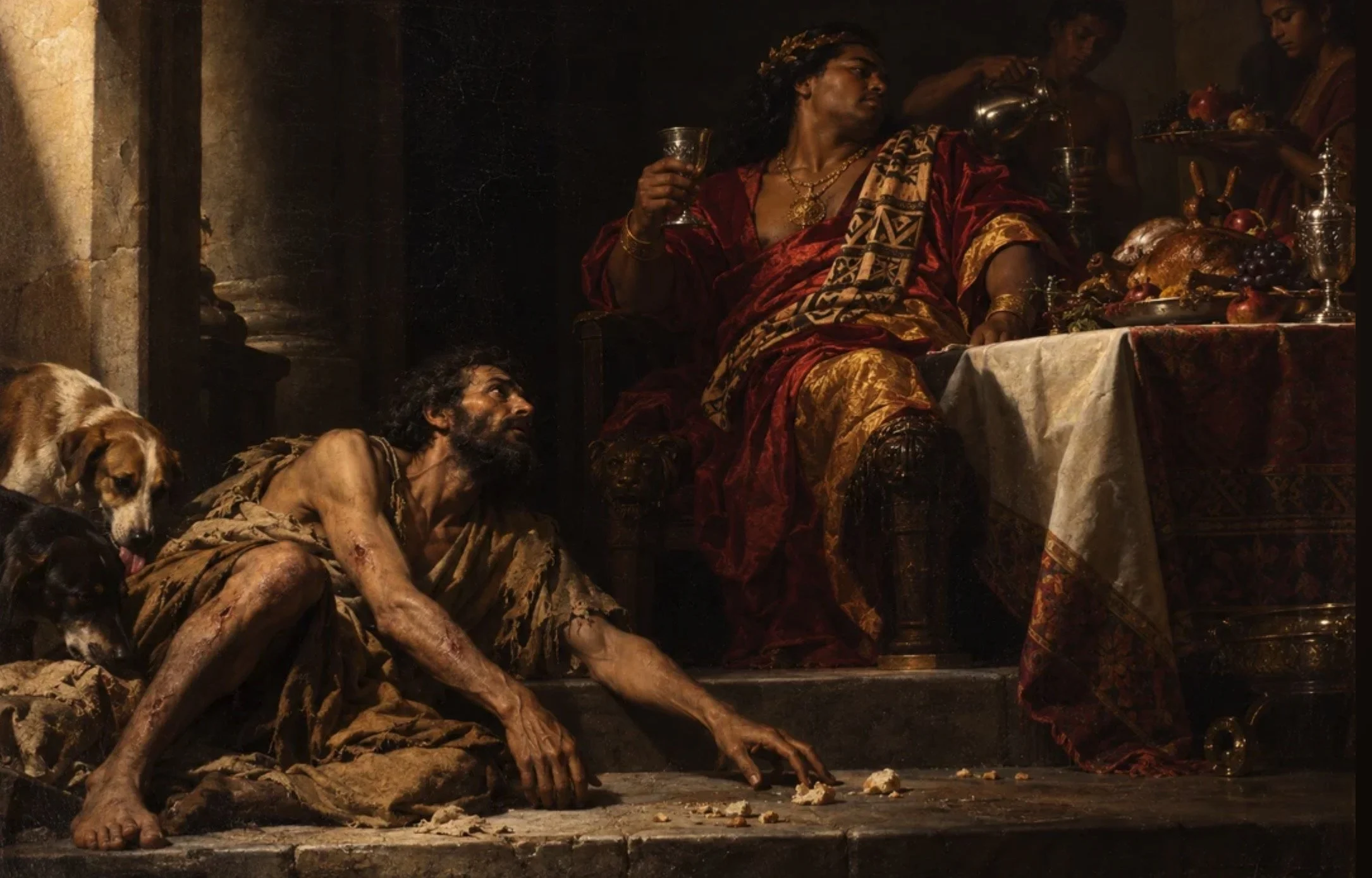
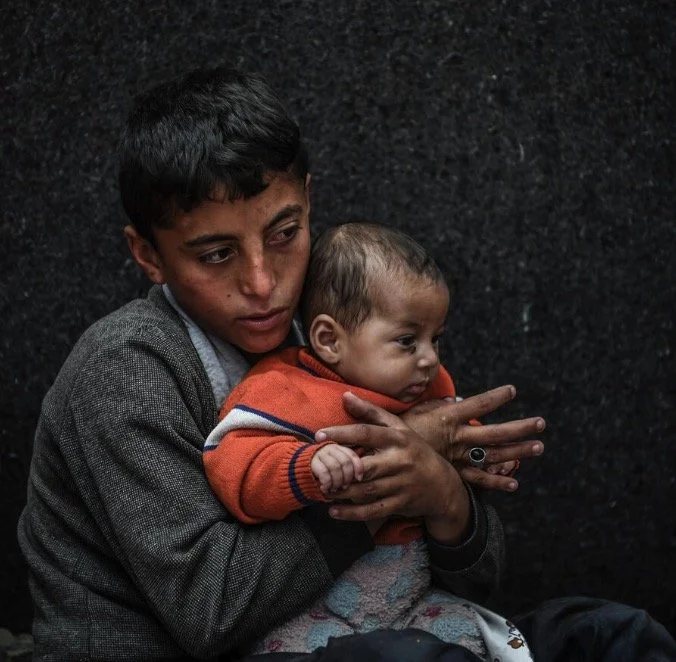
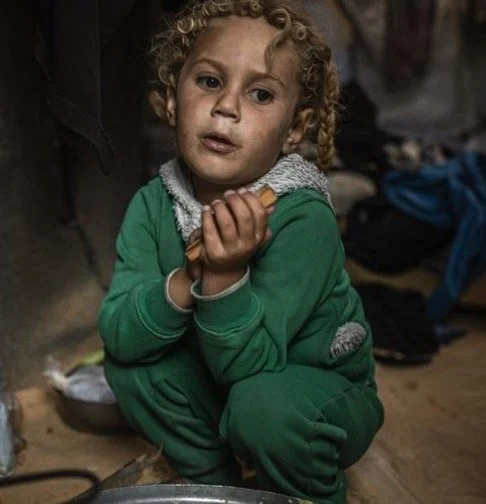
The crunch revelation I made today: I always thought TS Eliot’s Lazarus referred to the one Jesus brought back from the dead. But, no: Lazarus is a poor benighted soul (think of a Palestinian in Gaza today) described in the parable of The Rich Man and The Beggar in the Gospel of Luke (Luke 16:19–31). What he could “Come back to tell us all” should shatter the cosy smugness of our Western societies today.
Luke describes a rich man “dressed in purple and fine linen and who feasted sumptuously every day”. (Think of most of us in the Western world). In plain view, at his gate, lies a poor man named Lazarus, covered with sores. He is hungry and desperate for even a little support, even a little of the food that could fall from the rich man’s table. (Think of any of the millions of Palestinians in Gaza today). But no help is given and the poor man dies. Then comes the twist in the tale.


The rich man also dies and goes, as most rich men do, to Hell. Tormented, he looks up and sees Lazarus sitting in Heaven at a banquet with Abraham himself sitting by his side.
Filled with remorse and a new moral insight, he says, "Father Abraham, have mercy on me, and send Lazarus to my father’s house – for I have five brothers – that he may warn them, so that they will not also come into this place of torment.”
Abraham will have none of it. If they haven’t got the message by now, “neither will they be convinced even if someone rises from the dead!”


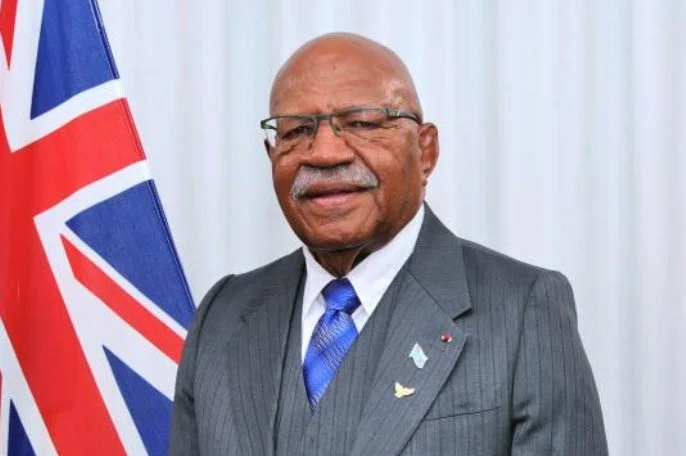
What TS Eliot and Luke were both trying to do was wake people up, shake them out of their moral sterility, their indifference to human suffering and warn them that a course correction was necessary to save both themselves and their society from the inevitable decay that accompanies submission before evil.
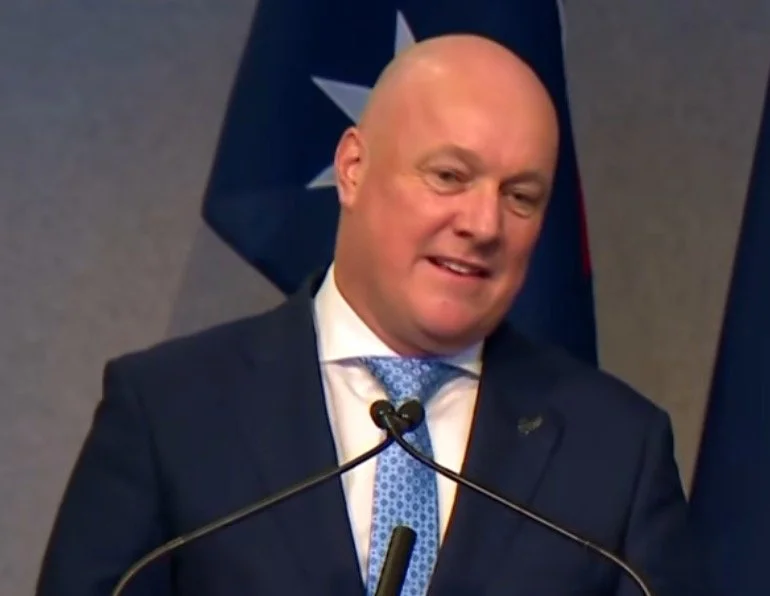
I think the 18 leaders of the nations that comprise the Pacific Island Forum who ignored Palestinian misery, ignored the televised genocide and welcomed Israel to join the Forum as a partner this month are like the Rich Man. What are we if we let them get away with it?
To conclude, I will give the last word to Christ, a Palestinian who said, as he sent such men to roast in the eternal fires of Hell:
"Verily I say unto you, in as much as ye have done it unto one of the least of these my brethren, ye have done it unto me."
Eugene Doyle
Eugene Doyle is a writer based in Wellington, New Zealand. He has written extensively on the Middle East, as well as peace and security issues in the Asia Pacific region. He hosts solidarity.co.nz.
This article may be reproduced without permission but with suitable attribution.