North Korea sanctions: NZ, Australia and the US have killed thousands of civilians. They have achieved nothing and must be stopped.
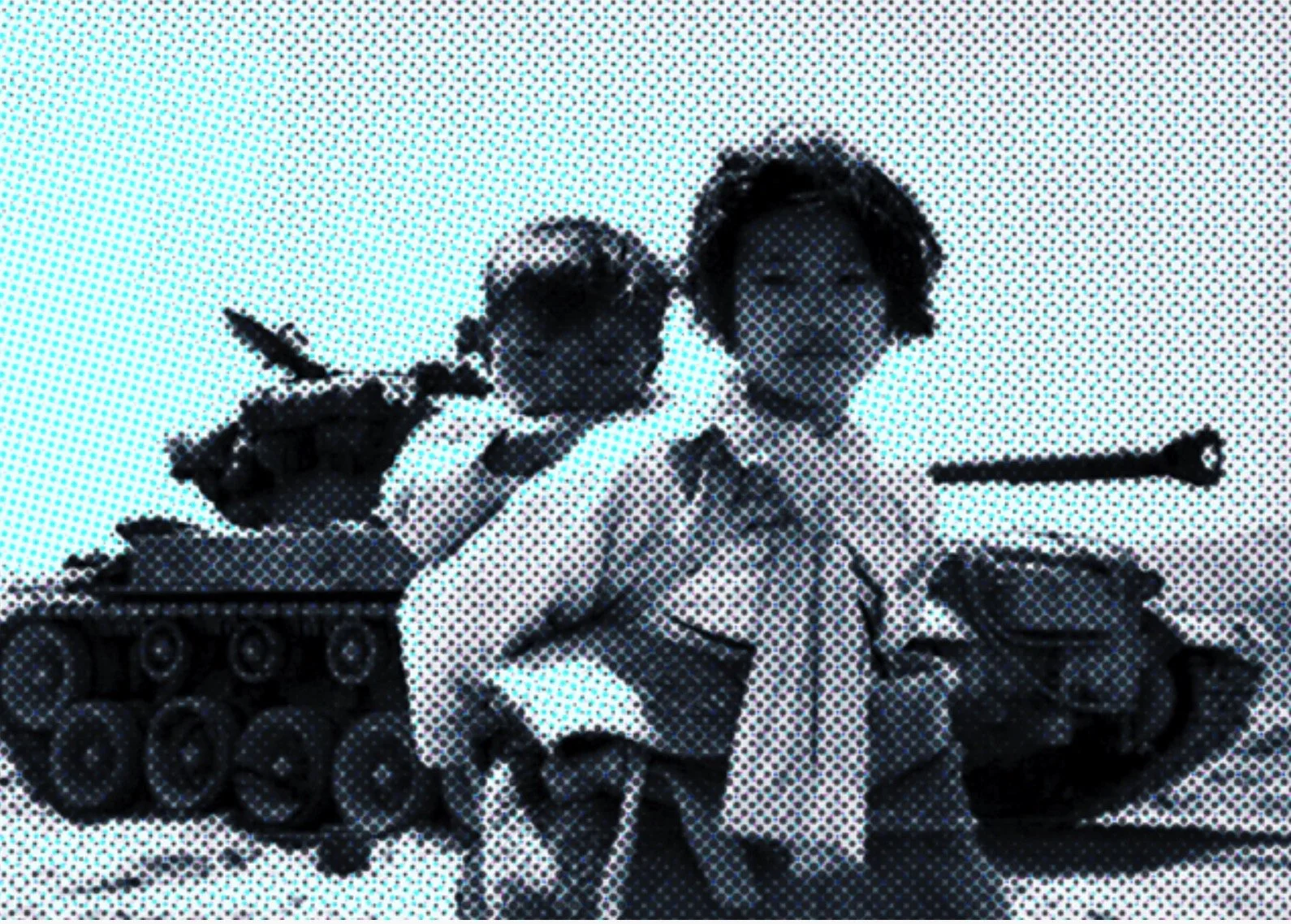
This is the first of three articles on the criminality and futility of the Western mania for sanctions, particularly those that target civilians. Part 1 looks at the butcher's bill that Western nations, including my own, are forcing innocent civilians of countries like North Korea to pay. Part 2, again using North Korea as a case study, looks at the howling incompetence and failure to achieve the sanctions’ stated objectives, not least rolling back the North’s weapons programme. Part 3 will take a broader view, looking at the recurring pattern of Western lawlessness in its deployment of sanctions – and why the West forfeited long ago its right to act as some kind of World Police force.
UN Security Council Resolution 2397 has already killed thousands of North Korean civilians. As long as it remains in force, hundreds of thousands of innocent people remain at risk in a country that is suffering dire food insecurity. New Zealand, Australia and the US have played a major role in inflicting foreseeable lethal consequences on North Korean civilians. Sanctions against the North’s weapons programme have achieved nothing but human misery. It’s time to stop this Medieval siege.
UN Resolution 2397: licence to commit crimes against humanity
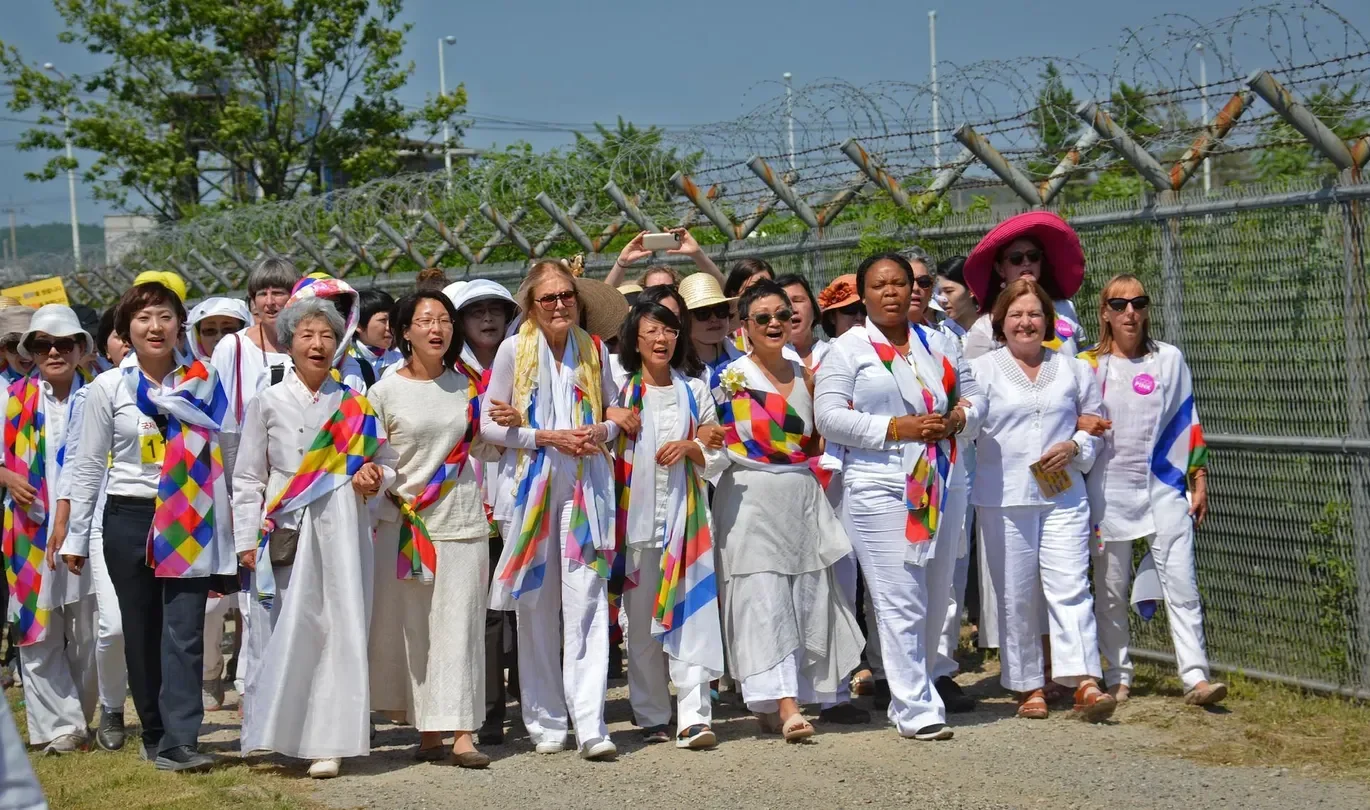
The UN Security Council adopted 2397 in 2017 after North Korea's (DPRK) launch of a Hwasong-15 ICBM. The effects of these sanctions were immediate and devastating on the civilian population. Imagine if your society was constrained in this way: part of the UNSC Resolution states 2397:
“Introduces a ban on the supply, sale or transfer to the DPRK of all industrial machinery, transportation vehicles, iron, steel and other metals with the exception of spare parts to maintain DPRK commercial civilian passenger aircraft currently in use”.
“Strengthens the measures regarding the supply, sale or transfer to the DPRK of all refined petroleum products, including diesel and kerosene, … Reduces the allowed maximum aggregate amount for 12 months beginning on 1 January 2018 to 500,000 barrels (and twelve-month periods thereafter).”
Australia and North Korea have almost identical populations – about 27 million. Australia consumes approximately 400 million barrels of petroleum products per year – contrast that with the imposition of a 500,000 barrel limit imposed and enforced by the US.
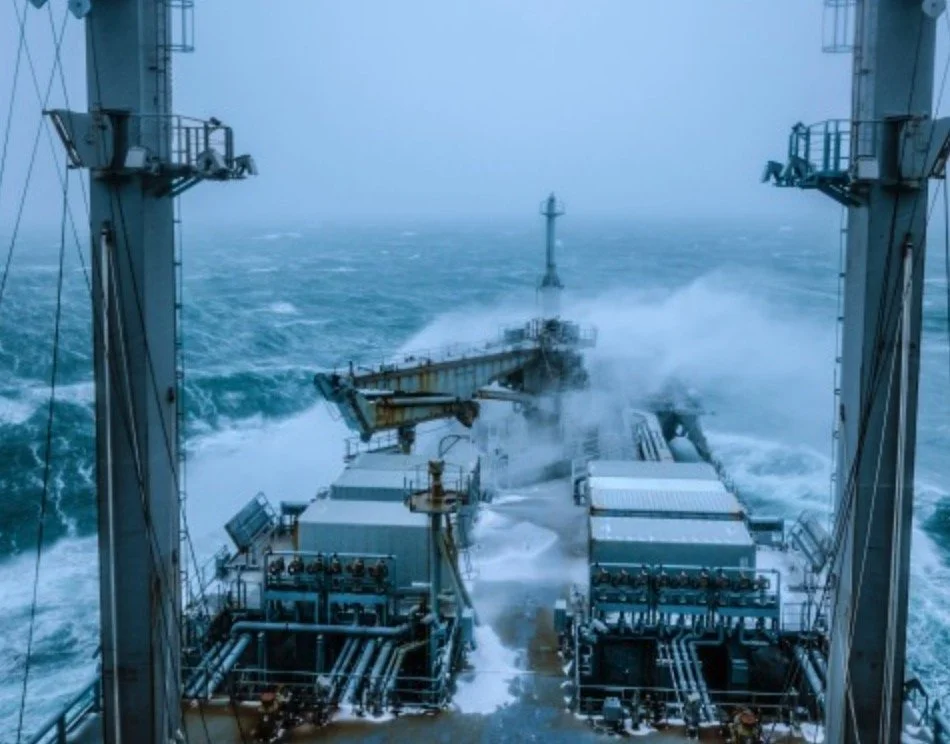
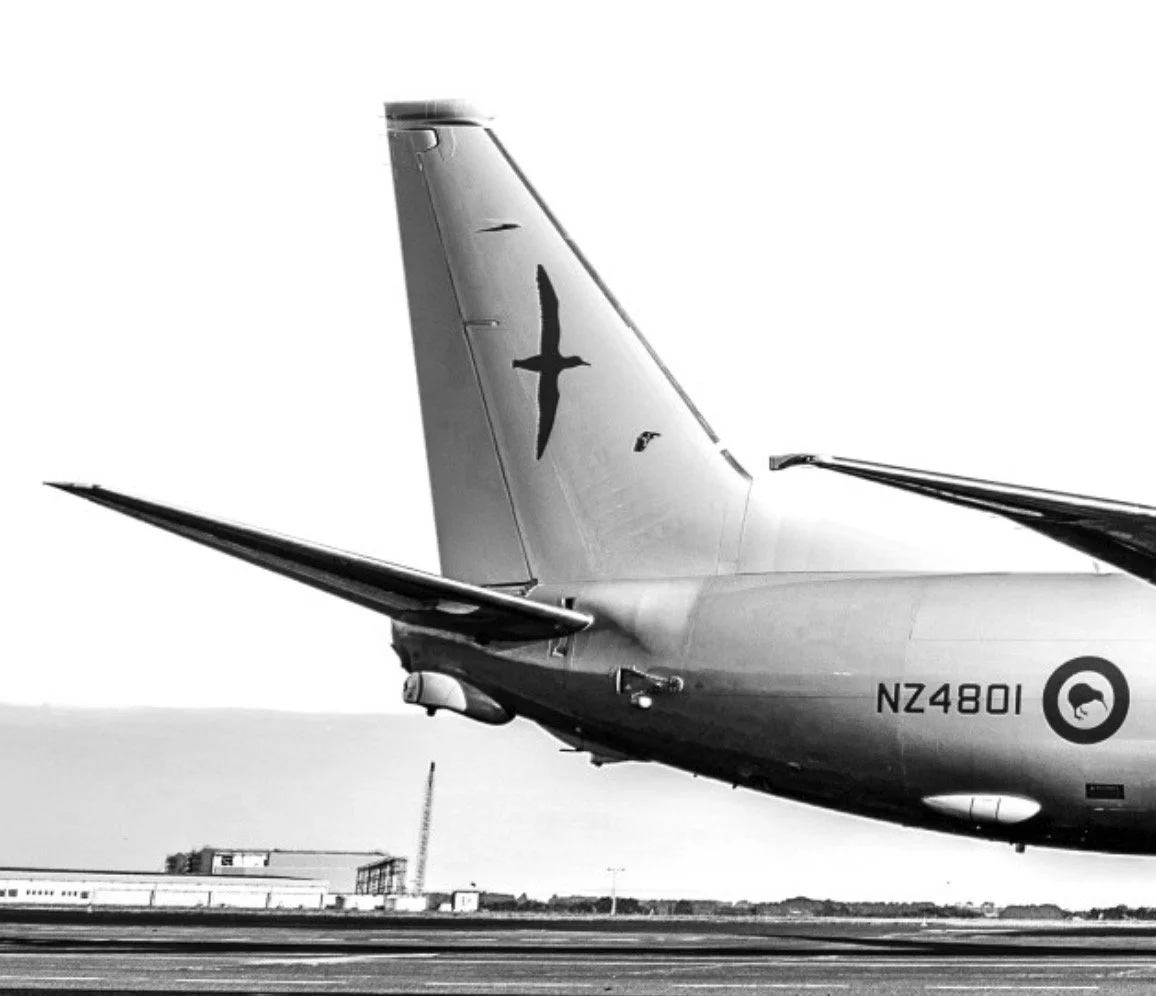
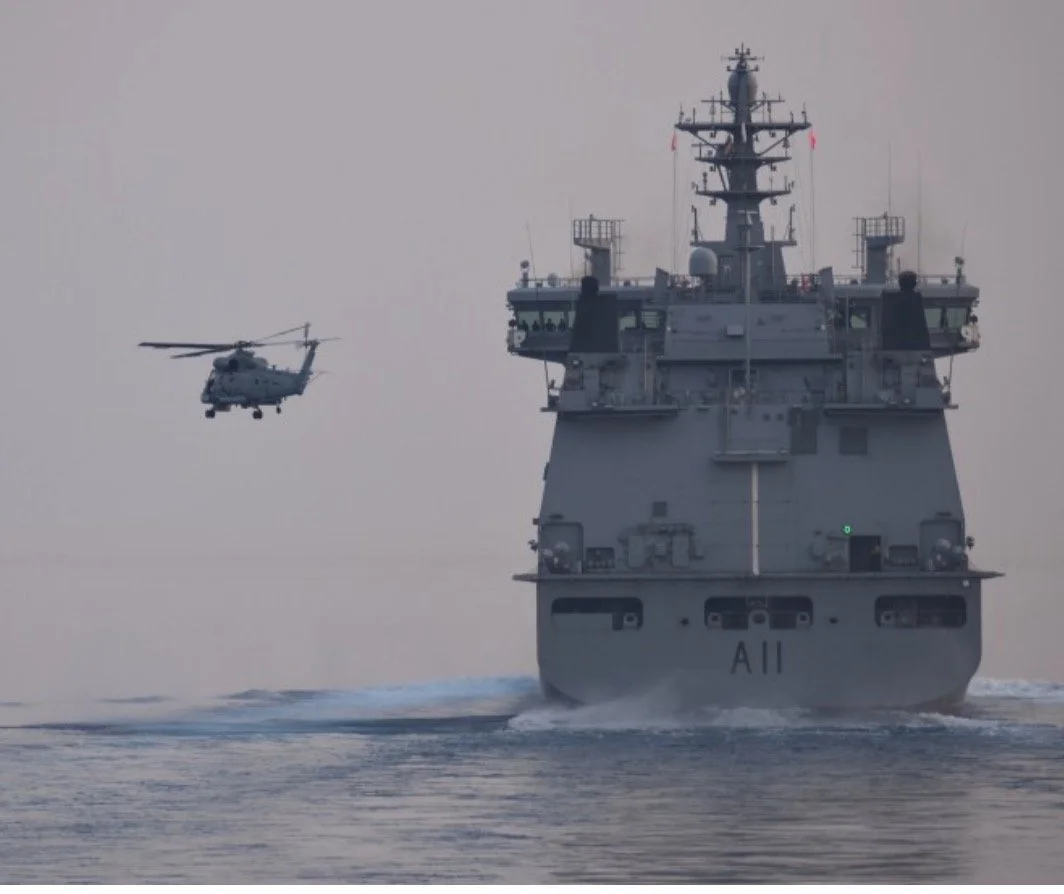
Since 2018, under both Labour and National-led governments, New Zealand has sent frigates and aircraft to enforce the fuel blockade on a country with a heavy reliance on its own agricultural production. That production – as it is globally – is heavily dependent on the import of diesel. Now imagine for a moment if your country – any country – was starved of diesel.
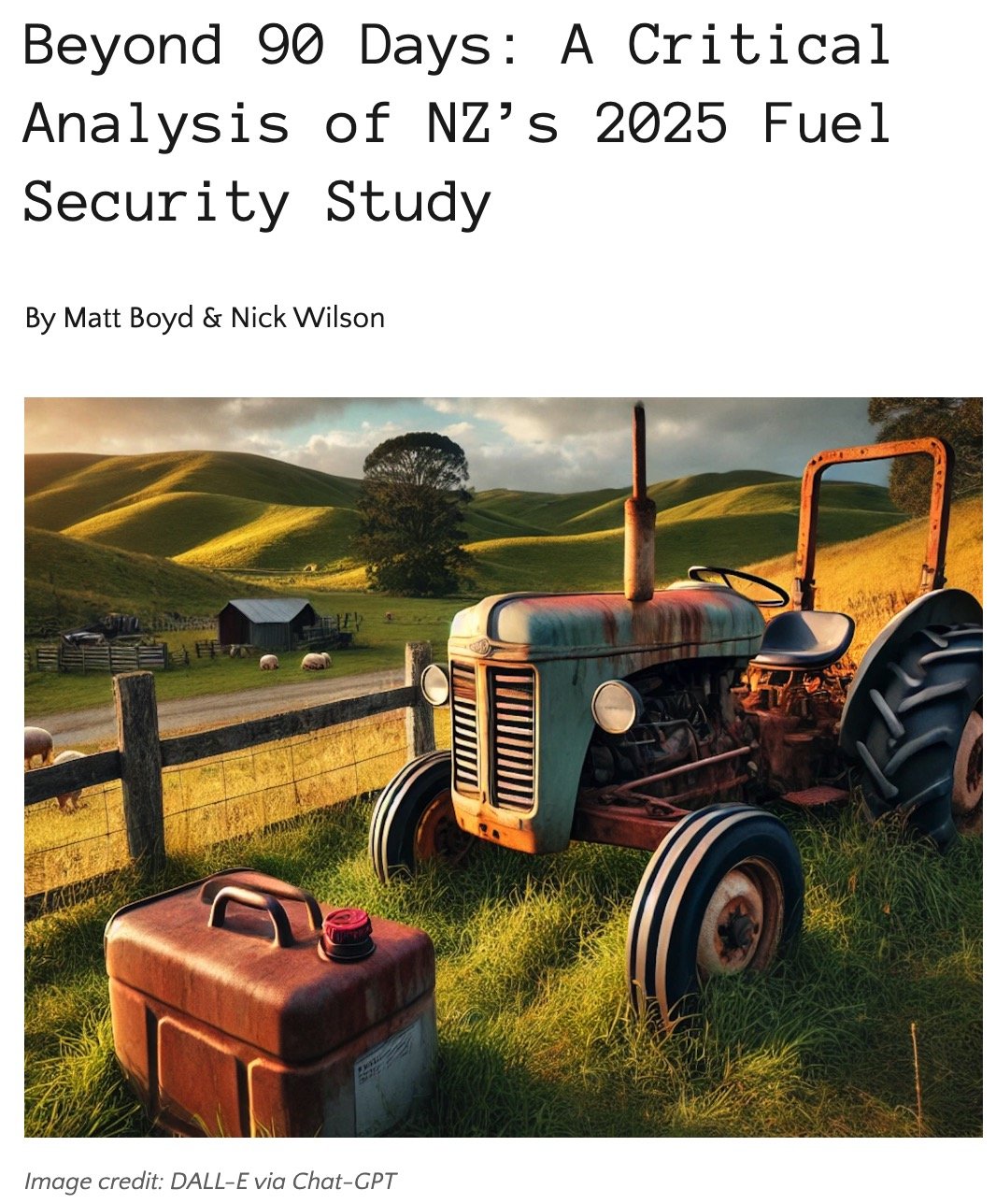
In a research paper in 2024-25 titled “Beyond 90 Days: A Critical Analysis of NZ’s 2025 Fuel Security Study”, the authors Matt Boyd (author of over 40 peer-reviewed publications) and Nick Wilson (Associate Professor of Public Health at the University of Otago) point out that New Zealand would face catastrophic consequences if cut off from diesel imports for as little as 90 days. They point out that “a secure and resilient fuel supply is not just critical to New Zealand’s economy but potentially to New Zealand’s survival as a functioning society.”
The blockade has been a catastrophic success
So successful has the blockade been that within the first year of its introduction in December 2017 exports from North Korea dropped by 86%. Most seriously there is a powerful causal effect of sanctions on food insecurity.
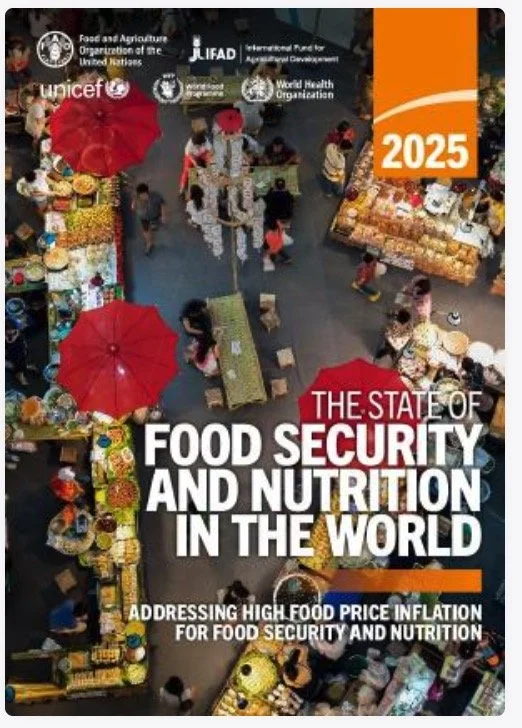
By 2021, the United Nations’ State of Food Security and Nutrition in the World report estimated that over 40% of the population (about 11 million people) were undernourished, many resorting to "famine foods" like tree bark or grasses in more remote northern provinces. We should have been sending food but instead we sent military assets to further crush the population.
Theoretically some supplies are meant to get through but the US makes exemptions vastly complicated, protracted and unrealistic. In practice, virtually all non-Russian and non-Chinese companies steer clear of trade with the North for fear of the US. In practise the resolution blocks essential medical items, including needles, syringes, dental equipment, and replacement parts for hospital machinery and water pumps from getting through. According to Korea Peace Now, “One NGO recently reported that it took them over a year and a half to ship 16 boxes of beans to the DPRK.”
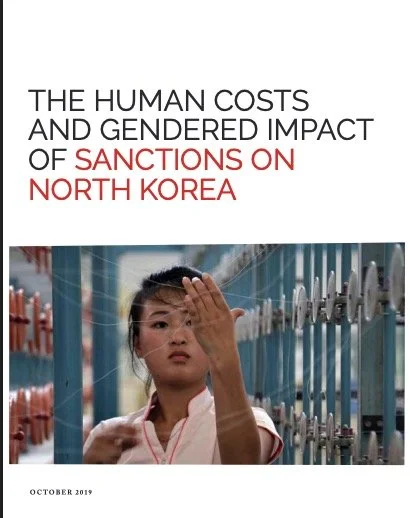
“The Human Costs and Gendered Impact of Sanctions on North Korea”




US-headquartered Korea Peace Now is an international NGO launched by Women Cross DMZ, the Nobel Women’s Initiative, Women’s International League for Peace and Freedom (WILPF), and the Korean Women’s Movement for Peace. In a commissioned report titled, “The Human Costs and Gendered Impact of Sanctions on North Korea” a panel of experts, including Henri Féron, Senior Fellow at the Center for International Policy; Ewa Eriksson Fortier, a Swedish humanitarian professional who served as the Head of Country Delegation in Pyongyang, DPRK, for the International Federation of Red Cross and Red Crescent Societies, and Kevin Gray, Professor of International Relations at the University of Sussex, argue that the blockade imposed by the US, New Zealand, Australia and others has had a crushing effect on millions of North Korean women.
“Life-saving aid is being fatally obstructed by delays, red tape, and overcompliance with financial sanctions,” the experts wrote.
The report states the obvious: sanctions negatively impact human rights, including the rights to life, food, health, and development.
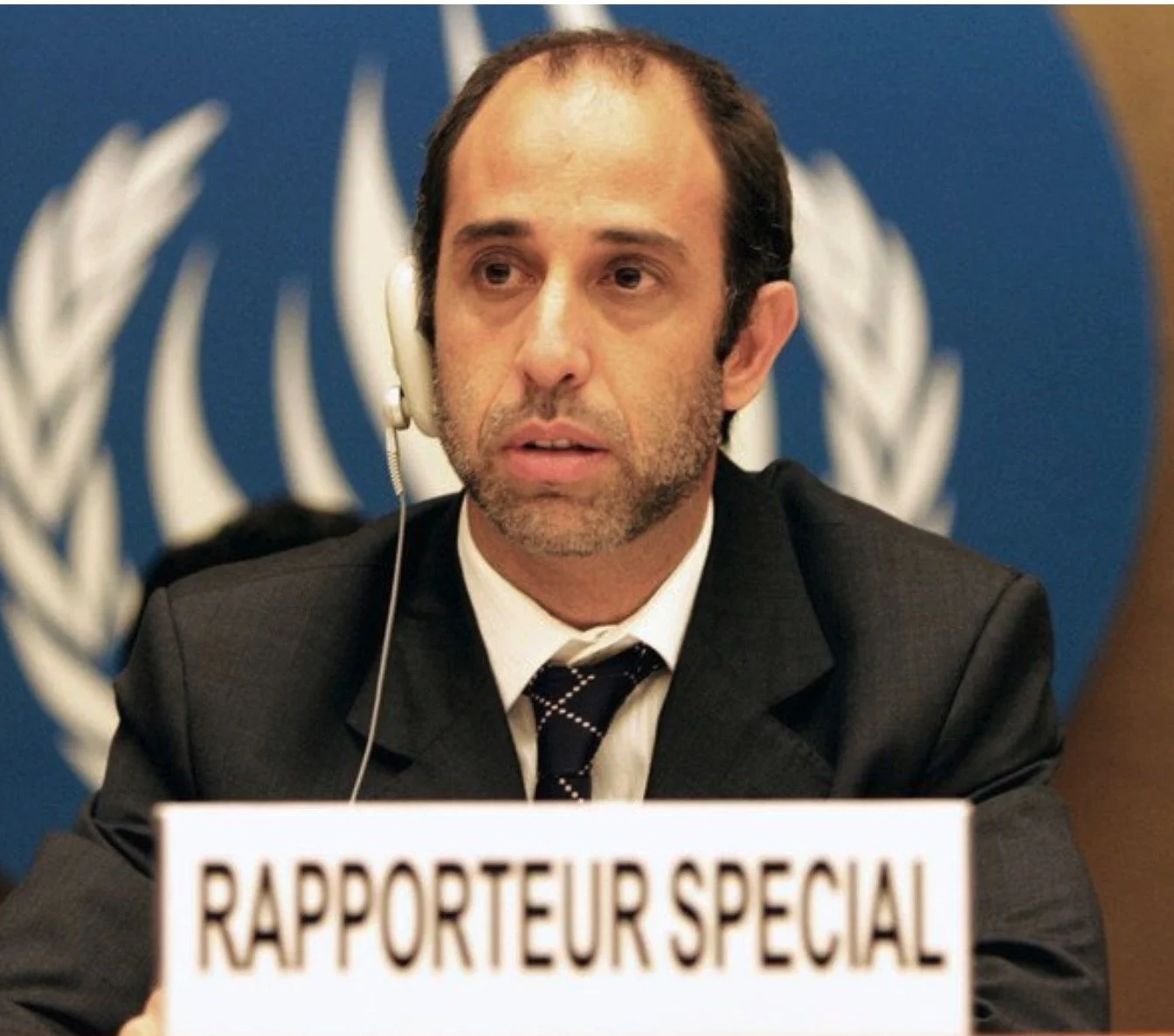
The UN Special Rapporteur on the human rights situation in the DPRK until 2022, Tomás Ojea Quintana, has called for a “comprehensive assessment of the [Security Council sanctions’] unintended negative impact on the enjoyment of human rights, in particular economic, social and cultural rights.” I will argue in this series of articles that those impacts are not ‘unintended’ but deliberate.
Korea Peace Now: “Sanctions are also impeding the economic development of the country. UN and unilateral sanctions have resulted in the collapse of the country’s trade and engagement with the rest of the world, thereby undermining and reversing the progress that North Korea had made in overcoming the economic crisis and famine of the 1990s.”
Frozen for six months, North Korea needs support not a starvation siege
North Korea suffers from two major natural problems: only 15% of its land is arable and it freezes for about six months of the year. This seriously reduces the window for food production and limits the total amount it can produce. Food imports and things like oil and fertilizer for agriculture are essential; and yet that is precisely what the West has tried to choke off.
From 2018 when Resolution 2397 kicked in, North Korea transitioned from a state of chronic food insecurity to an acute food crisis. Data is hard to acquire but so successful were the sanctions that it is certain thousands have died in this crisis period. By 2019 the population of the North was facing a perfect storm: natural disasters, the wrecking of its economy by Western sanctions, its self-imposed isolation due to Covid-19, and a government that prioritized defence spending as it faced what it realistically assessed as existential threats.
A record dry spell combined with sanctions that robbed the agricultural sector of diesel and fertilizer resulted in a 10-year low for grain production. The UN warned that 10 million people were in "imminent need" of food aid. The Western countries persisted with their blockade despite clear evidence of what was happening to the civilian population.
Destruction of their primary source of protein
Disaster followed disaster. With Russia and China standing on the sideline, having voted for the sanctions (which they now oppose), the North lost access to critical veterinary supplies. When in 2019 the country was hit by African Swine Fever sanctions complicated the response by depriving the country of veterinary diagnostic equipment, disinfection materials and other supplies. Pork is a critical protein source representing up to 80% of the population's protein consumption. According to Voice of America, Suh Hoon, director of South Korea’s National Intelligence Service, told lawmakers in a private briefing North Korean pig herds had been “annihilated” by the disease.
Rather than call out the West for its share of the disaster, the mainstream media vilified the victims: “North Korea may be hiding hog apocalypse from the world”, “In Fight Against Swine Fever, North Korea Seen as Weak Link”. VOA pointed out, probably correctly, that farmers weren’t killing sick pigs. That’s the kind of thing people do when they are facing a starvation siege.
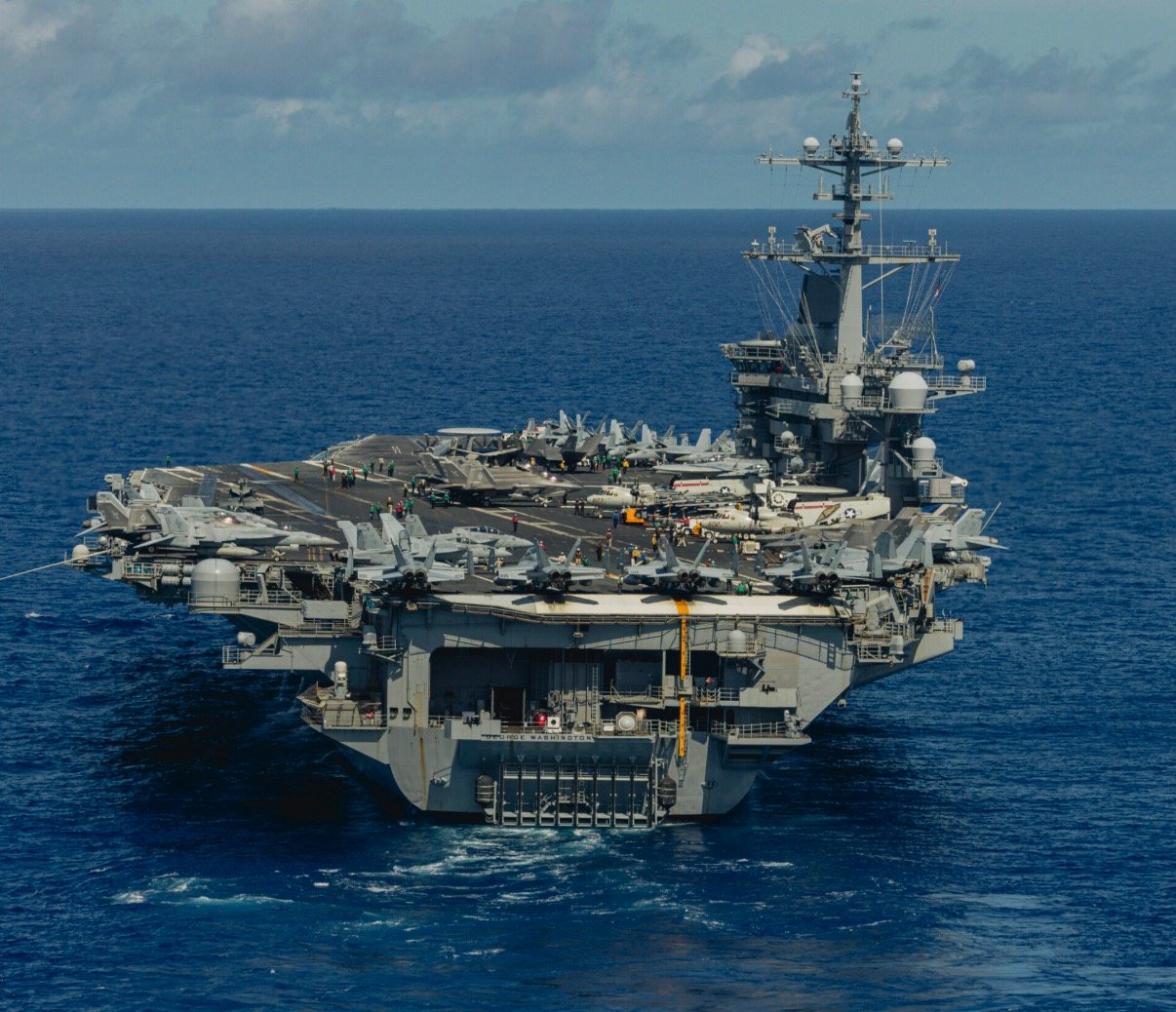
Despite the catastrophe, eleven predominantly white-dominated countries, including the United States, Australia, New Zealand, Canada, France, UK, Italy and the Netherlands continued this medieval starvation siege. They are fully aware of what they are doing to food production.
But, you might ask, isn’t it all worth doing to stop North Korea’s military and ballistic missile programme? The abject failure of this goal and the humiliating and glaringly obvious reasons for it are the subject of my next article. I simply chose as my starting point suffering humanity. I wish my government had done the same.
Eugene Doyle