“You won’t even make it back to your f**king country”. Genocide as US statecraft.
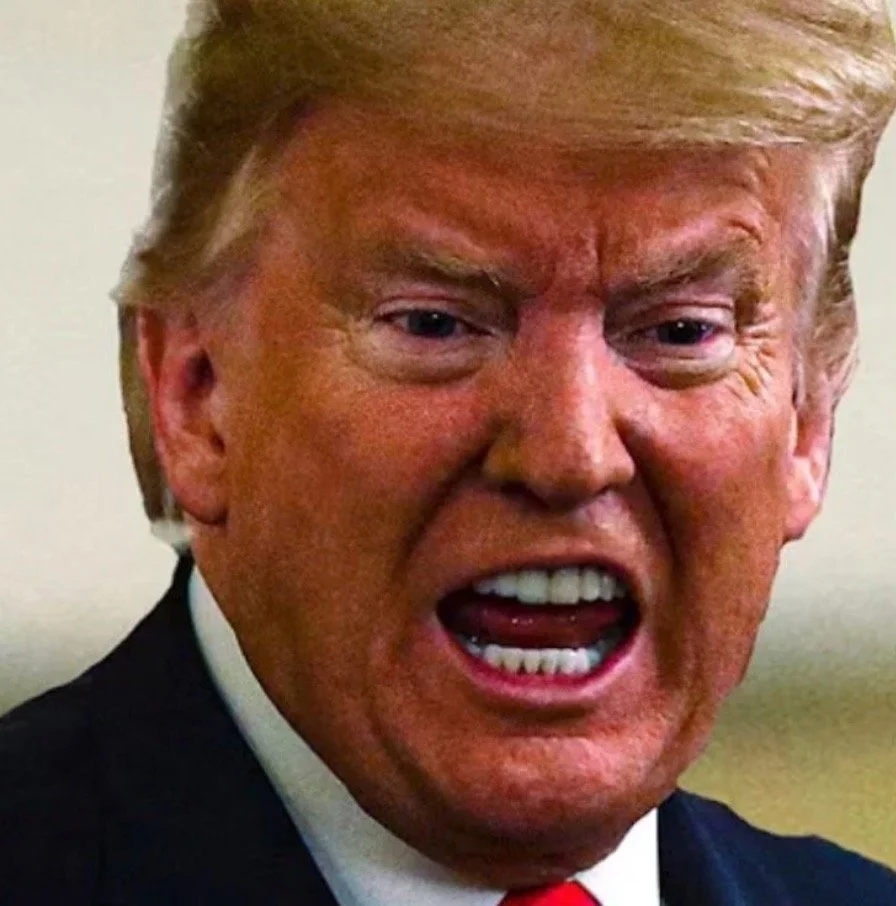
“You close it and you won’t have a country. You won’t even make it back to your fucking country,” Donald J Trump, the President of the United States of America.
Too many people have been killed by the Americans, including thousands of children, for us not to take seriously the genocidal threats made by the “Leader of the Free World”. This particular threat about the closure of the Strait of Hormuz was directed at the Iranian delegation in Switzerland last week. We need to seriously talk about the state of American diplomacy.
Back in April Trump had warned that "a whole civilization will die tonight, never to be brought back again". Instead of being forced into a straitjacket and held somewhere for the criminally insane, the man continues to sit in the Oval Office.
We have become so used to this vicious psychopathic language from the President that the recent threat to Iranian foreign minister Abbas Araghchi and his delegation was mainly buried deep in the coverage by the mainstream media. The increasingly disappointing Guardian even pretended it was a threat to simply “bomb” the country and “kidnap” the negotiators. Tell that to victims of US-Israeli violence such as Ismail Haniyeh (Hamas Political Chief), Saleh al-Arouri (Hamas Deputy Political Chief), Ayatollah Ali Khamenei (The Supreme Leader of Iran) and many of his family and advisors, Ali Larijani, Rear Admiral Ali Shamkhani, all the high-ranking Iranian officials killed in the US-Israeli attack on Iran’s consulate in Damascus, the Hamas negotiators lured to a location in Qatar to advance negotiations between the US and Hamas only to be targeted with airstrikes last year.
“Decapitation strikes” have become such normalised behaviour by the US and Israel that people increasingly see it as normal. It’s not; it is depraved and counter-productive, like so much of their behaviour.
We are in an era of American statecraft that is largely based around violence, threats of violence and the deployment of sanctions, other forms of financial strangulation, physical blockades and the intimidation of even the US’s closest allies. It didn’t start with Trump; the Democrat President Biden, for example, was the key enabler of the Gaza genocide and poured fuel on the Russia-Ukraine war rather than deploying old-fashioned statecraft.
As various statesmen have said: If you want peace, you don't just talk to your friends – you talk to your enemies.
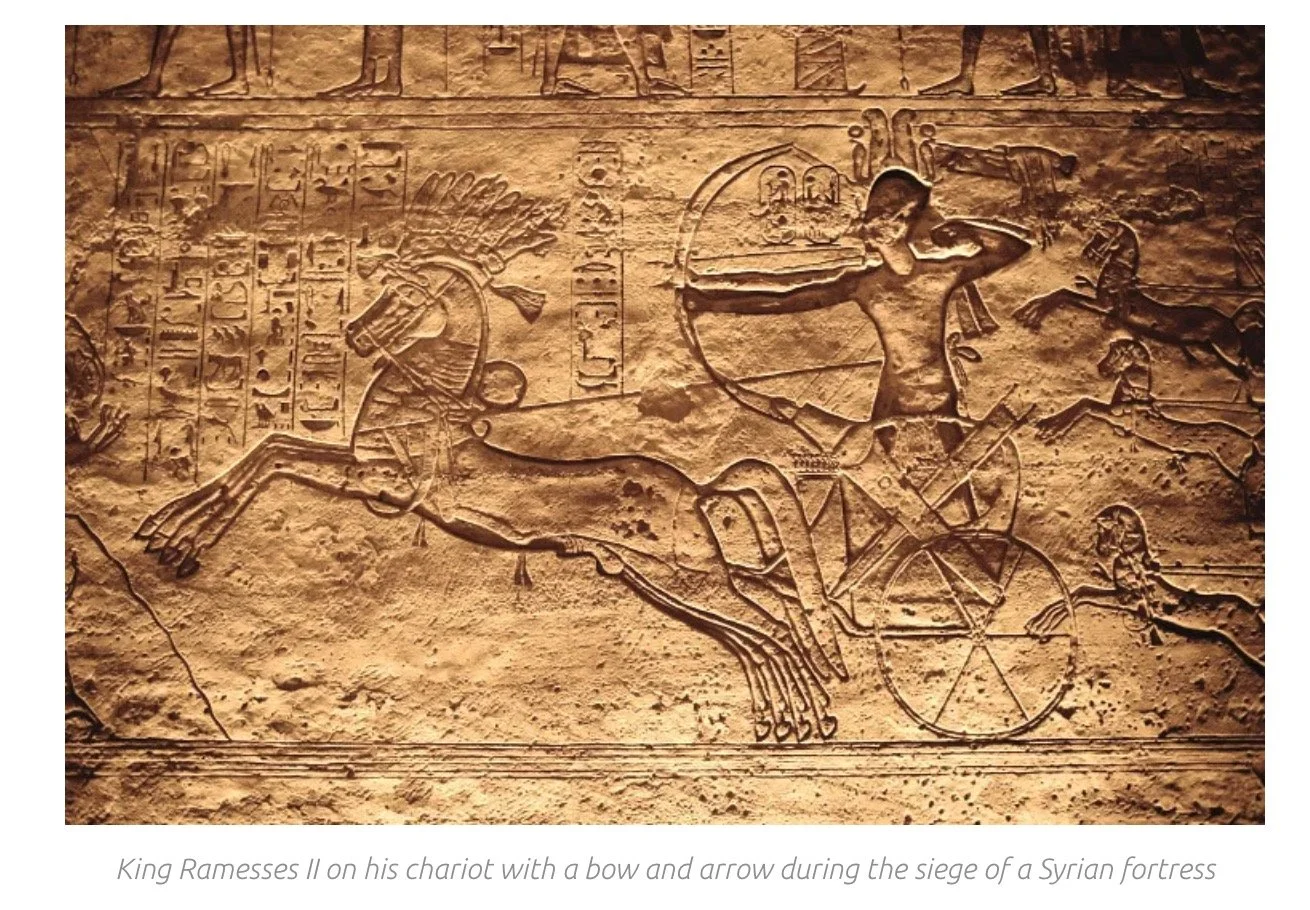

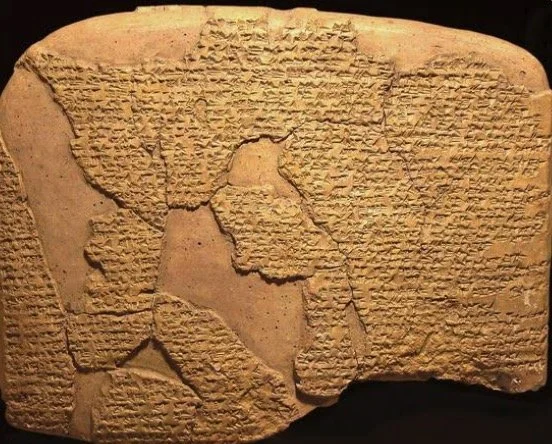
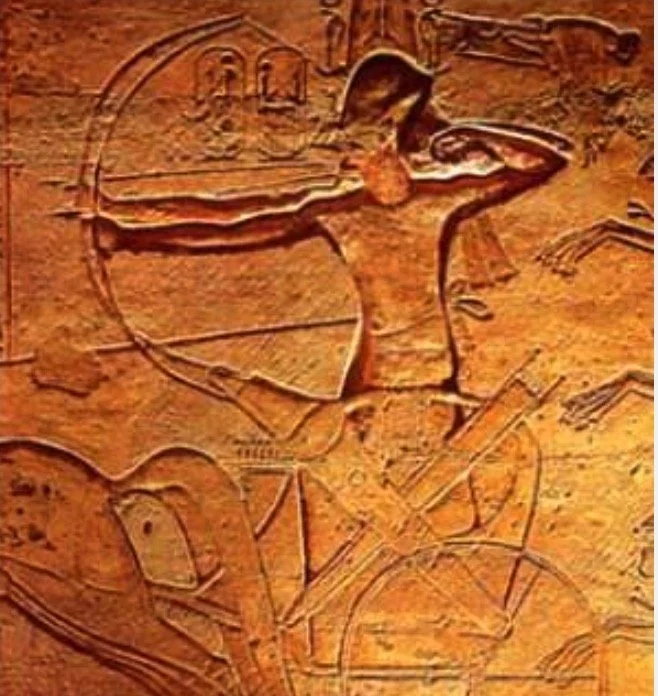
Increasingly, American exceptionalism means they consider themselves exempt from the legal and diplomatic norms that protect negotiators and state leaders from targeted killing. These are a mix of ancient customary traditions, international treaties, and the laws of armed conflict.
The Treaty of Kadesh (c. 1259 BCE) – the oldest surviving peace treaty was signed between Pharaoh Ramesses II of Egypt and Hattusili III of the Hittite Empire. The treaty explicitly outlines the immunity from violence that negotiators must enjoy. Over 3,000 years ago they worked out that the safety of negotiators and leaders was central to enabling diplomacy to do its work of regulating foreign affairs to avoid violence.
In modern international law the concept of the inviolability of negotiators and diplomats is enshrined in Article 29 of the Vienna Convention on Diplomatic Relations, specifically stating:
"The person of a diplomatic agent shall be inviolable. He shall not be liable to any form of arrest or detention. The receiving State shall treat him with due respect and shall take all appropriate steps to prevent any attack on his person, freedom or dignity."
In respect to leaders, it is highly unusual to launch a war by killing the leader of a country as the US and Israel did when they launched their war of aggression against Iran on February 28. This “decapitation strike” constitutes an illegal act of aggression and a direct violation of state sovereignty under international law.
Personally I want to live in a world of law, equality before the law and respect for the United Nations Charter. Serious transgressions – whether by Russian, Israeli or American leaders – should face judgement at the International Court of Justice. For this to happen, Western countries must give up on the notion (and reality) that they are not subject to law.
One of the non-legal pillars of diplomacy is diplomatic comity – the convention that international relations are best served by goodwill, courteous behaviour and mutual respect.
Stop Press!! Literally as I was writing this, I saw that the US President has again threatened civilization-ending violence against Iran. Today (June 28) Trump said that Iran would “no longer exist” if the US is “forced” to resume the war. The fact that Trump is the Americans’ choice as their 47th President, and that leaders like Christopher Luxon of New Zealand and Anthony Albanese of Australia follow in his footsteps like the immoral vassals they are, speaks volumes about the precipitous fall of the West.
Let’s change tack, let’s avert our gaze from these moral failures. Let’s talk about real diplomacy. Pascal Lottaz, host of the excellent Neutrality Studies podcast, regularly does interviews that make a serious contribution to the topic of diplomacy.
Last week Ian Proud, former British diplomat who spent several years in Russia, told Pascal: “Diplomacy is tough, it's not about friendship. Diplomacy is about settling differences and finding ways to coexist. It's not about going to summits where you meet lots of people who already agree with you. That's not diplomacy, that is theatre.”
Another analyst I follow closely is the former head of the CIA’s Russia desk, George Beebe, now head of Grand Strategy at the Quincy Institute in Washington. He argues that if we are to think our way out of the disasters that confront us, the West needs to rediscover diplomacy and the ability to negotiate with geostrategic opponents. US triumphalism after the fall of the Berlin Wall led, he says, to the US feeling it could abandon statecraft.



“We no longer felt that we had to engage in normal diplomatic give-and-take, attempting to balance interests as well as balance power – the kinds of things that statecraft has involved for thousands of years. We thought that wasn't necessary. Number one: we know we're right. And number two: US power was just so disproportionately greater than any other country's power, we could simply impose our views, whether they liked it or not.”
Thankfully, that moment – the Unipolar Moment – has passed and we are now in a multipolar world. For goodness sake, let diplomacy return to the Western world. As Winston Churchill advised the Americans in 1954, as the confrontation with a nuclear-armed Soviet bloc risked global calamity: “It’s better to jaw-jaw, than to war-war”.
Eugene Doyle
Eugene Doyle is a writer based in Wellington, New Zealand. He has written extensively on the Middle East, as well as peace and security issues in the Asia Pacific region. He hosts solidarity.co.nz.
This article may be reproduced without permission but with suitable attribution.