RIMPAC 2026. Part 1: Preparing for an arse-whopping from China?
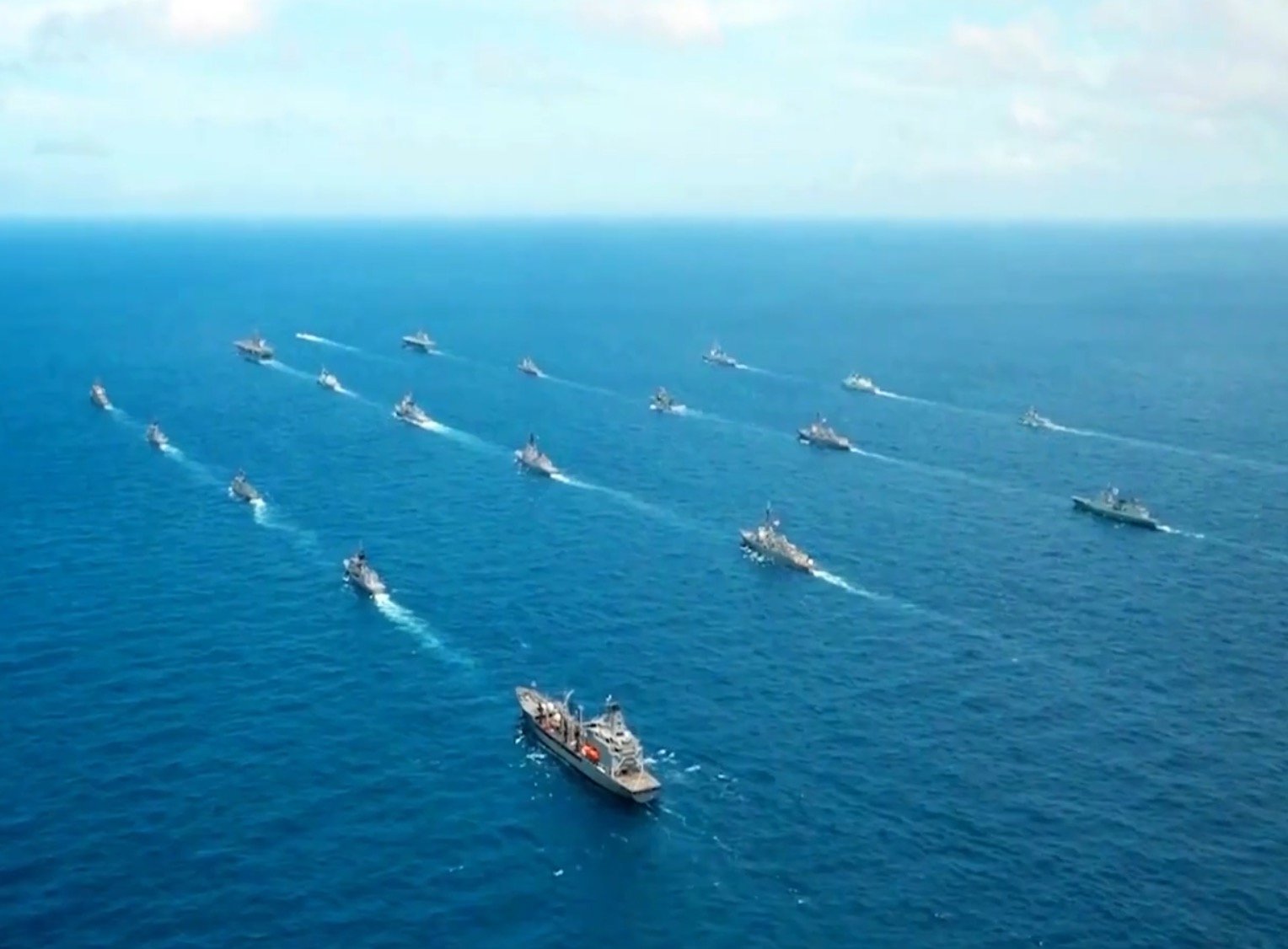
As a dress rehearsal for the coming war on China, RIMPAC is a big deal. This year's event is billed as bringing together global naval forces to address ‘the current threat China is posing in the Indo-Pacific region’. Every two years the US Pacific Fleet/Indo-Pacific Command at Pearl Harbor, Hawai’i, hosts the Rim of the Pacific exercise, the world's largest international maritime exercise. RIMPAC gathers the US and its allies together for a show of force and a building of interoperability, cementing relationships and ensuring countries like Australia and New Zealand are increasingly integrated into weapons procurement and US war plans so they can act as “force multipliers” for the United States.
“The suggestion of being a force multiplier is both absurd and kind of terrifying,” Valerie Morse of Peace Action says. “We don't want to be part of a US war in the Pacific. We need to stop engaging in things like RIMPAC.”
Veteran peace activist Mike Smith (Wellington) agrees. “What on earth are we doing there? The American strategy is to bind so-called allies, partners and friends all around the Pacific into a proxy force to fight for the US. The only thing the Americans know how to do is to bomb other countries. It's never worked, but it's what they do. Being led into war as a proxy for a belligerent power is just a nightmare yet our present government, foreign affairs, defence department, and security agencies are all leading us in that direction.”
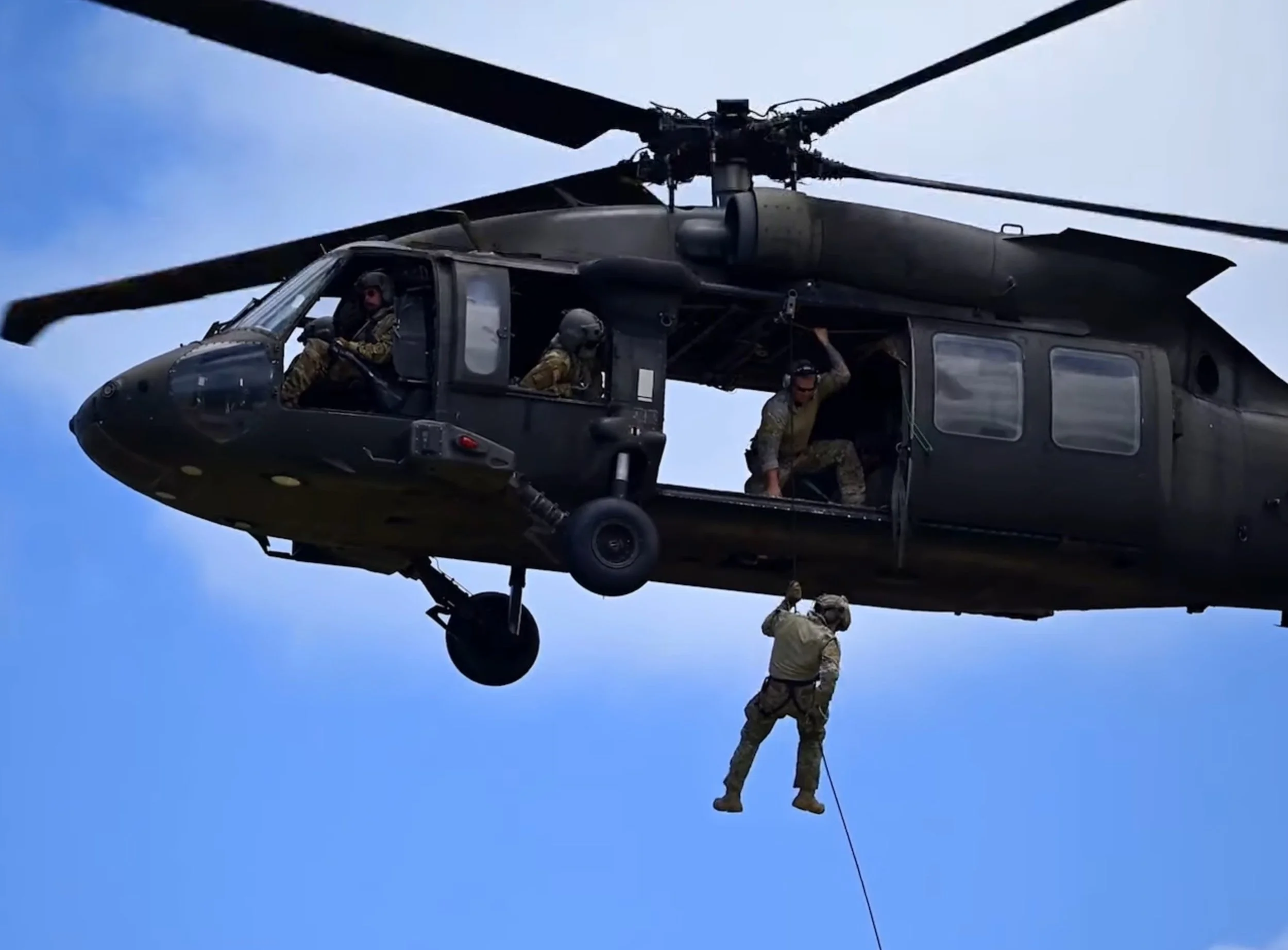
From June 24 - July 31 dozens of countries are represented, including New Zealand, Australia, Israel, Belgium, Ecuador, Norway, and Vietnam. Tens of thousands of personnel, dozens of surface ships, including the aircraft carrier USS Theodore Roosevelt, naval drones and submarines, hundreds of aircraft, and all the tools of modern warfare get together to game out Armageddon. They rehearse amphibious operations, anti-submarine warfare, air defence exercises, cybersecurity and all the systems of combined operations warfare. The carbon emissions alone are staggering.
Unbelievably, the PR for the event suggests the military exercise is conducted in an environmentally and culturally sensitive manner! Tell that to Abby Martin. The US activist who will visit Australasia in July has produced an outstanding documentary “Earth’s Greatest Enemy – documenting the environmental cost of history’s biggest empire”.
“The reason we're at this tipping point is because of the cumulative emissions of carbon in the atmosphere – for which the US is the top contributor. The US military alone is the single largest consumer of fossil fuels on the planet, at 270,000 barrels of oil a day … more than 150 countries. How is that possible?” Abby Martin asks.
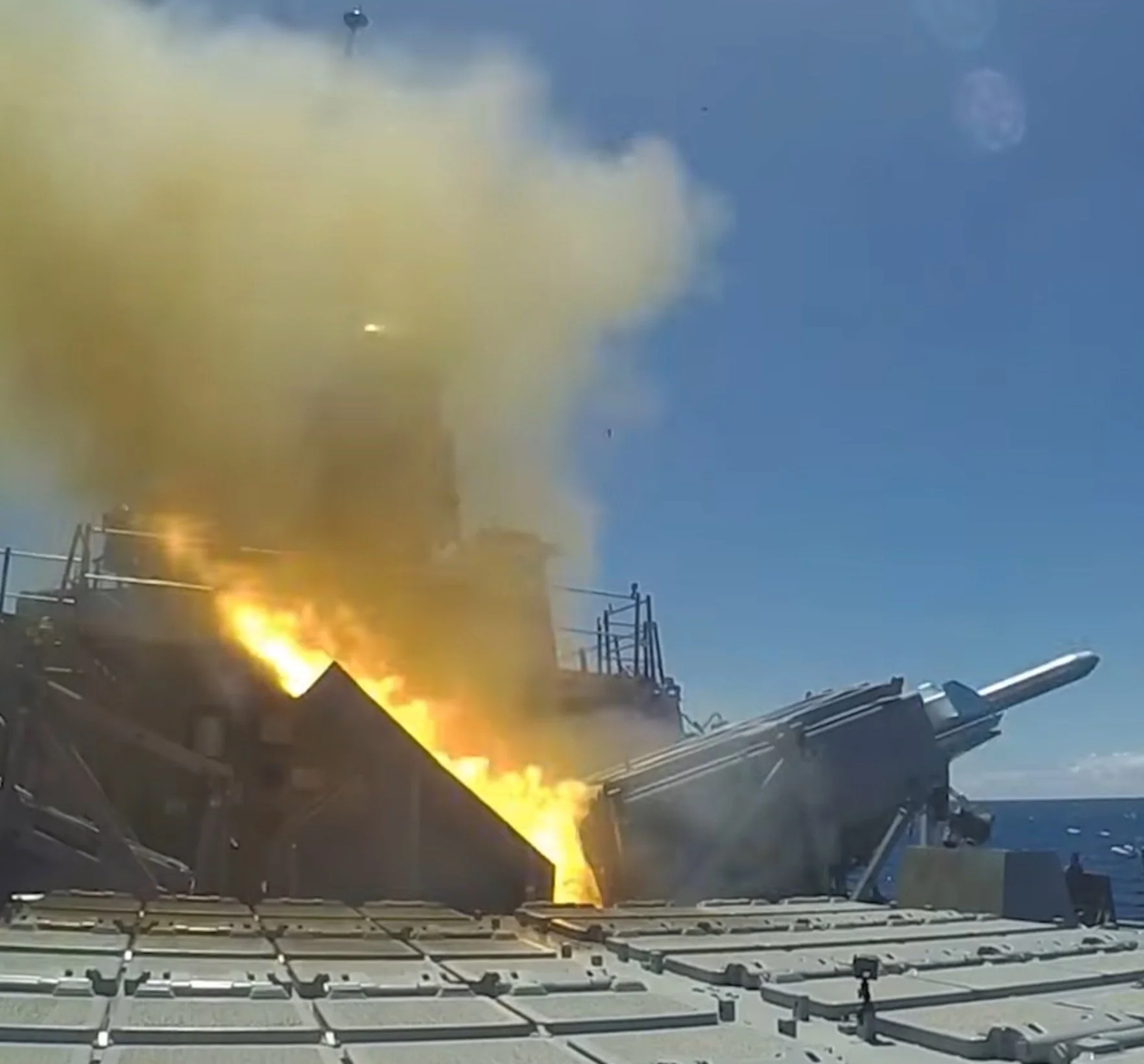
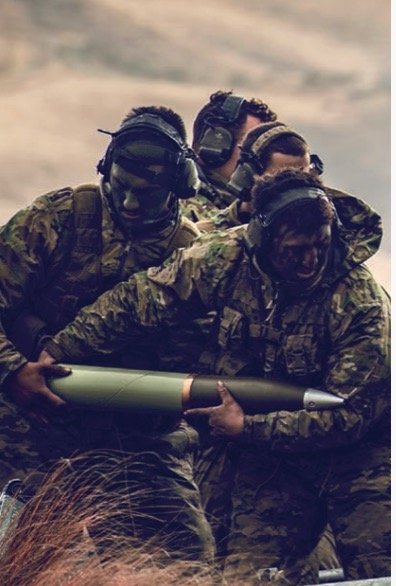
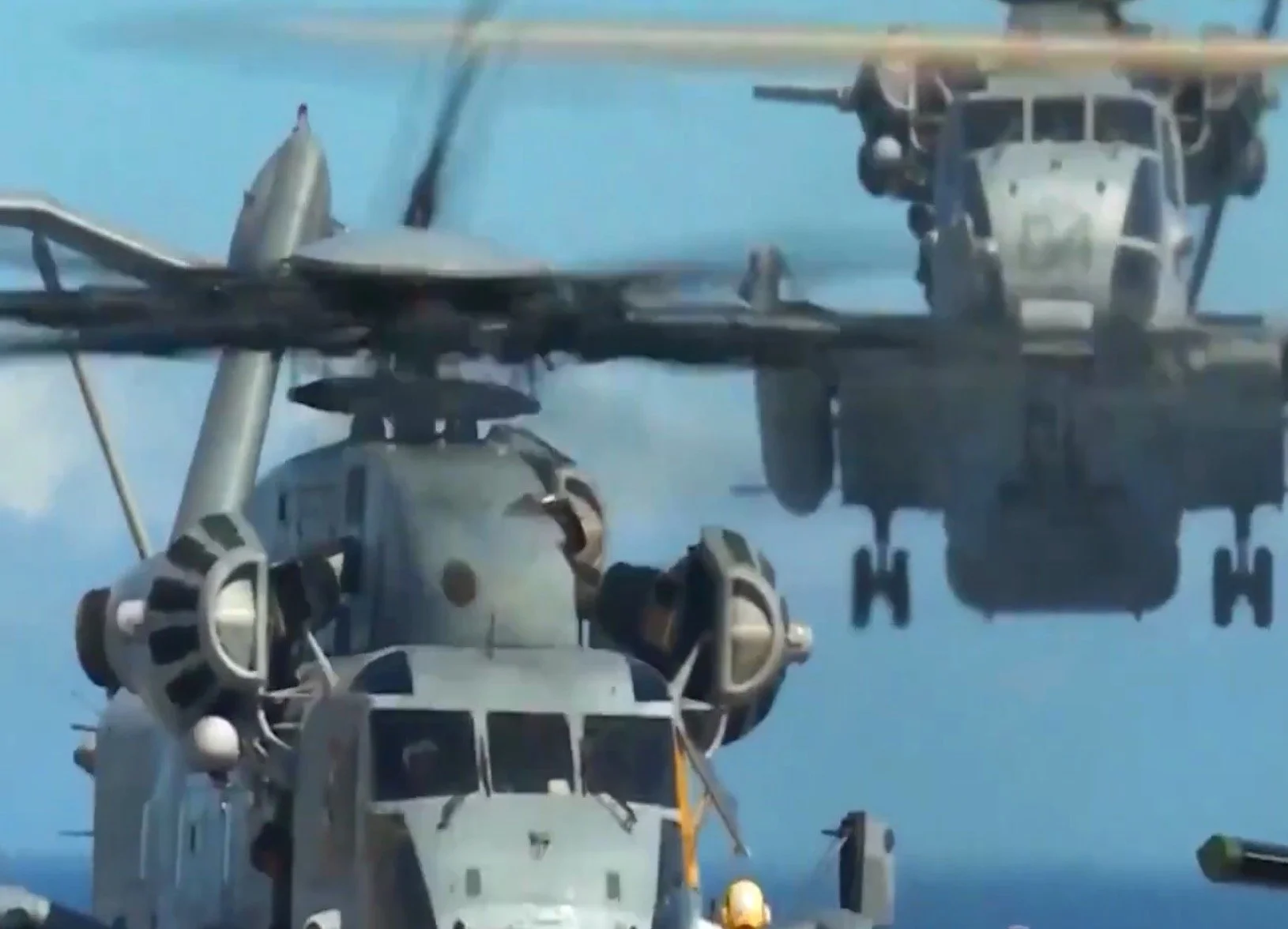
Valerie Morse says, “My starting point with RIMPAC was engagement with other Pacific activists who are concerned about US militarization across the Pacific – that includes Hawaii, Guam, and places like Okinawa.
“Like many bits of military training, it is imperial pageantry – showing who runs the Pacific. The United States is very keen to say the Pacific is our lake.”
Just after WWII General Douglas MacArthur was even more explicit: the Pacific from now on was an “Anglo-Saxon Lake”. Hawaiian academic and activist Emalani Case challenges this imperialist framing in my next article.
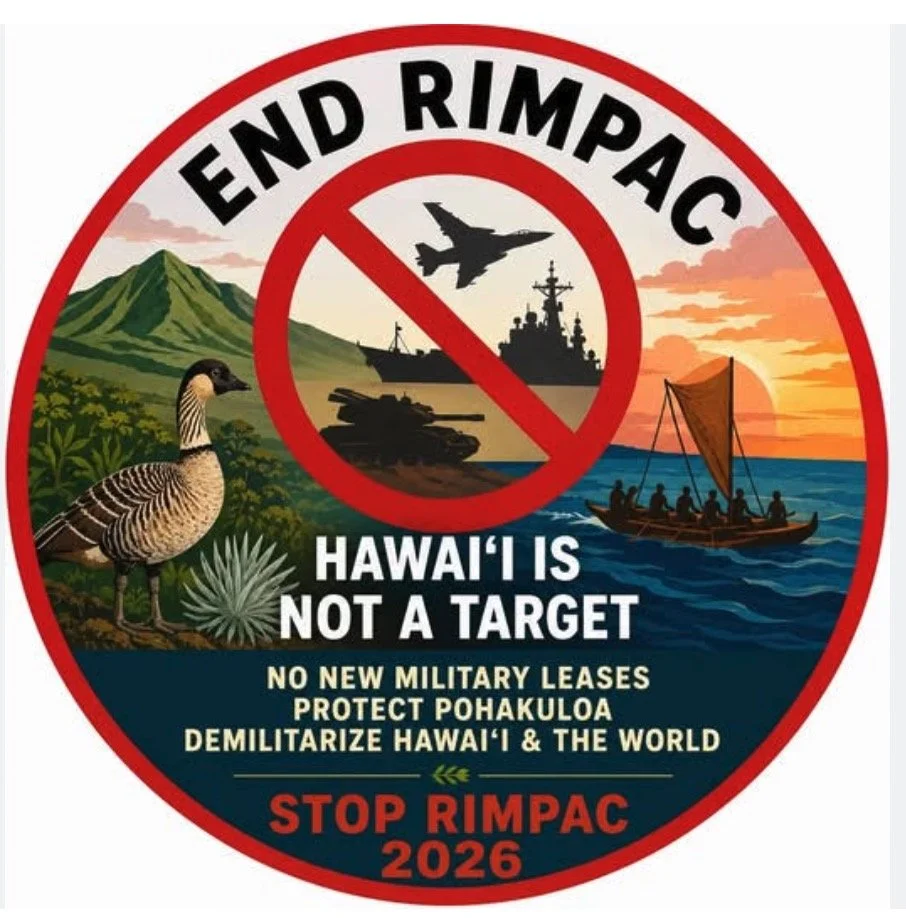
Hawaiian activists have long campaigned against the impact of so many vessels, so many explosions, on the local environment.
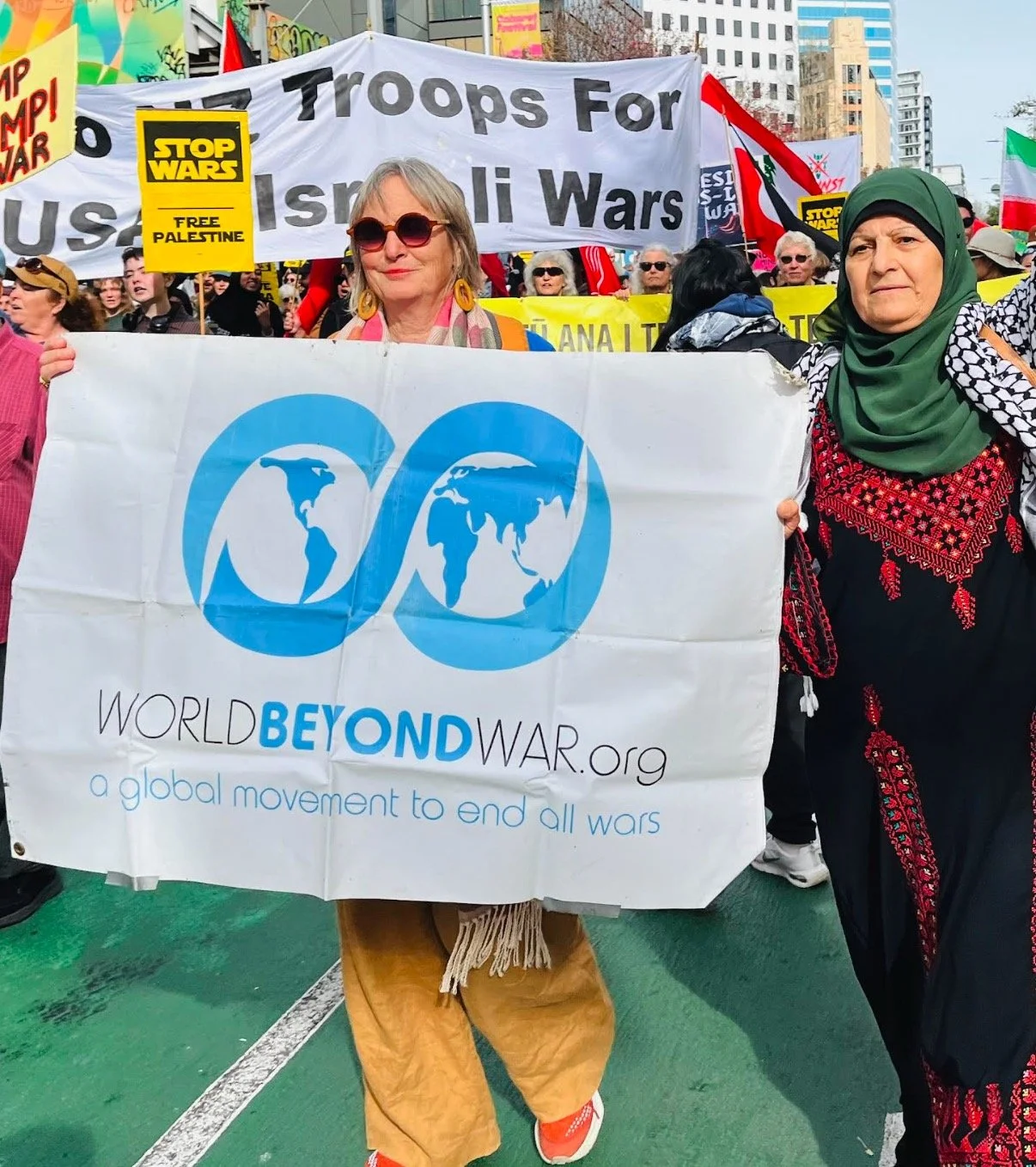
Liz Remmerswaal from World Beyond War raises another reason to distance ourselves from RIMPAC: “Israel is one of the 30 countries that's participating. For people of good conscience who care about the genocide going on in Gaza, you have to ask: Why would we want to have anything to do with a group of countries which included Israel?”
The answer, dear reader, appears to be “values”. We share values, according to RIMPAC public relations, with the Americans and Israelis.
Above all, however, RIMPAC is part of the US containment of China strategy.
Radio NZ and its reporter Guyon Espiner helped set the scene this week when they gave retired US Brigadier General David Stilwell a half an hour soap box to tell New Zealanders to embrace US nuclear ships, think Trump is doing a good job, fear wild-eyed Iranian terrorists, spend much, much more on the military, and be afraid, very afraid, of China.
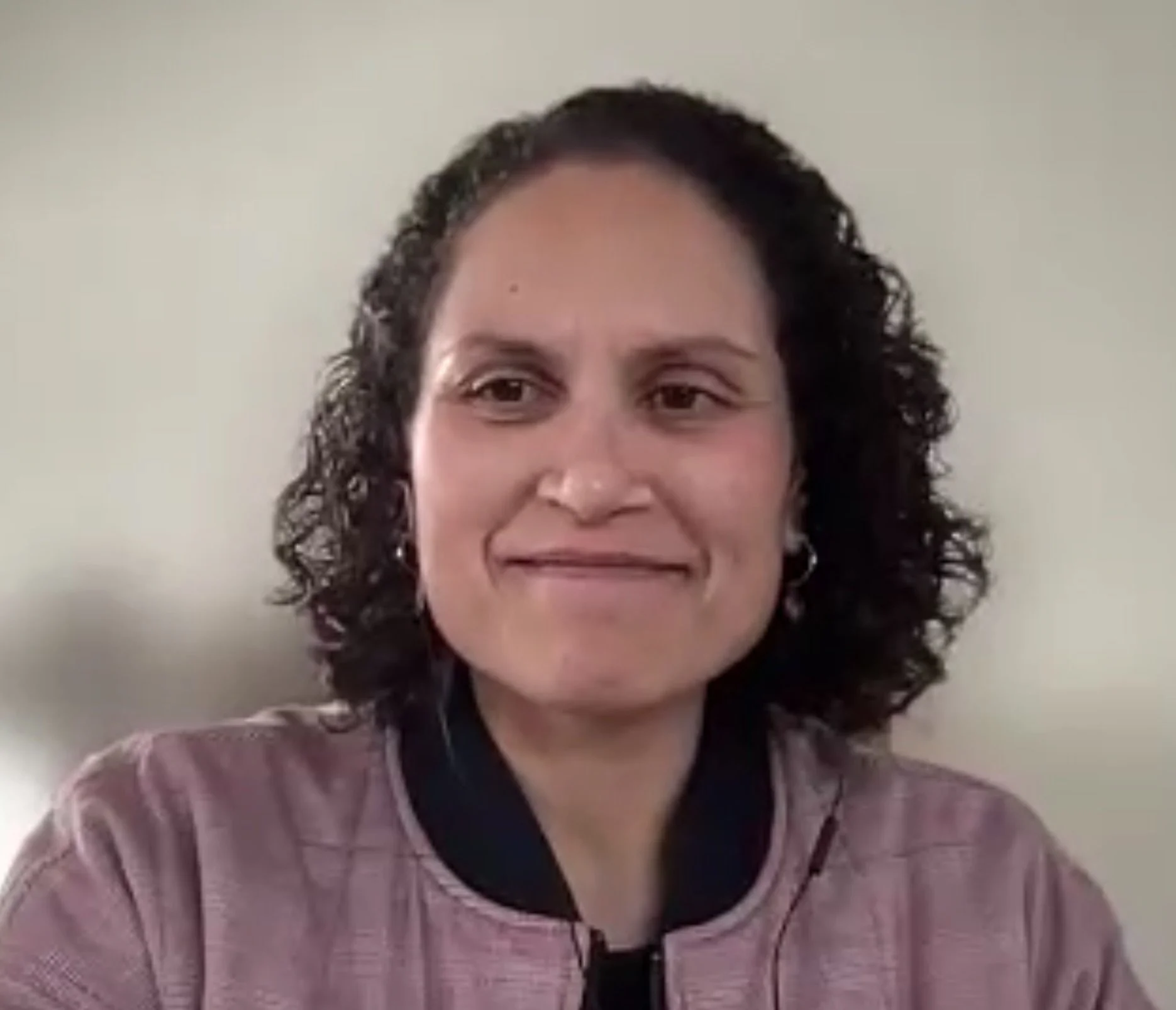
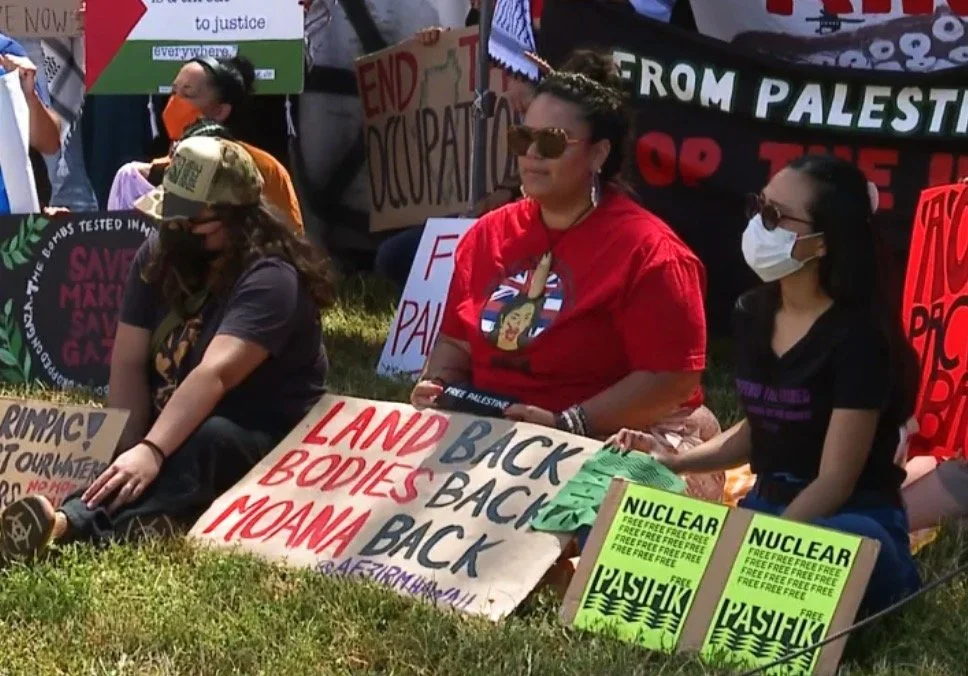
“If you read New Zealand’s defence strategy and the defence capability review, China is seen as the threat,” Mike Smith says. “That's totally stupid. China's not a threat to us; it's offering to cooperate with us. The threat to our prosperity comes from the United States.”
Smith’s comment is supported internationally. Of the 132 countries surveyed in theGlobal Country Perceptions Ranking (Nira Data), the USA sits at 128 out of 132 countries surveyed, with Israel claiming the spot as the most loathed country on the planet.
China was invited to just two RIMPACs – in 2014 and 2016 – before being struck off the invite list as the security competition in the South China Sea ramped up. Taiwanese media has been promoting the idea of Taiwan being invited to future RIMPACs, another step up the escalation ladder in terms of crossing China’s red lines on the behaviour and status of what it considers an integral part of China.
There are many good reasons countries like the Philippines, New Zealand and Australia should cancel their subscription to RIMPAC and, more importantly, decline to enlist if a war with China erupts. The United States will in all likelihood be defeated. How this could unfold is the subject of the third article in this series. The effective defeat of the US at the hands of Iran should be a salutary lesson … but some people never learn.
Fighting alongside the US puts us on the side of an empire that is committed to genocide and whose military industrial complex demands forever wars. The more allies the US has, the more likely megadeath will happen, and the once-peaceful Blue Pacific could be turned red with the blood of innocents.
Should war come and China prevails and pushes the US to the periphery of the region, there will be inevitable consequences for US allies who attacked China. That is well worth pondering.
We are at a hinge moment in world history; US supremacy is receding. Tomorrow will not be the same as yesterday, and we should adjust to new realities, not cleave to old certainties.
Eugene Doyle
Eugene Doyle is a writer based in Wellington, New Zealand. He has written extensively on the Middle East, as well as peace and security issues in the Asia Pacific region. He hosts solidarity.co.nz.
This article may be reproduced without permission but with suitable attribution.