RIMPAC 2026. Part 2: Hawaiian activist torpedoes lies about US security and respect.
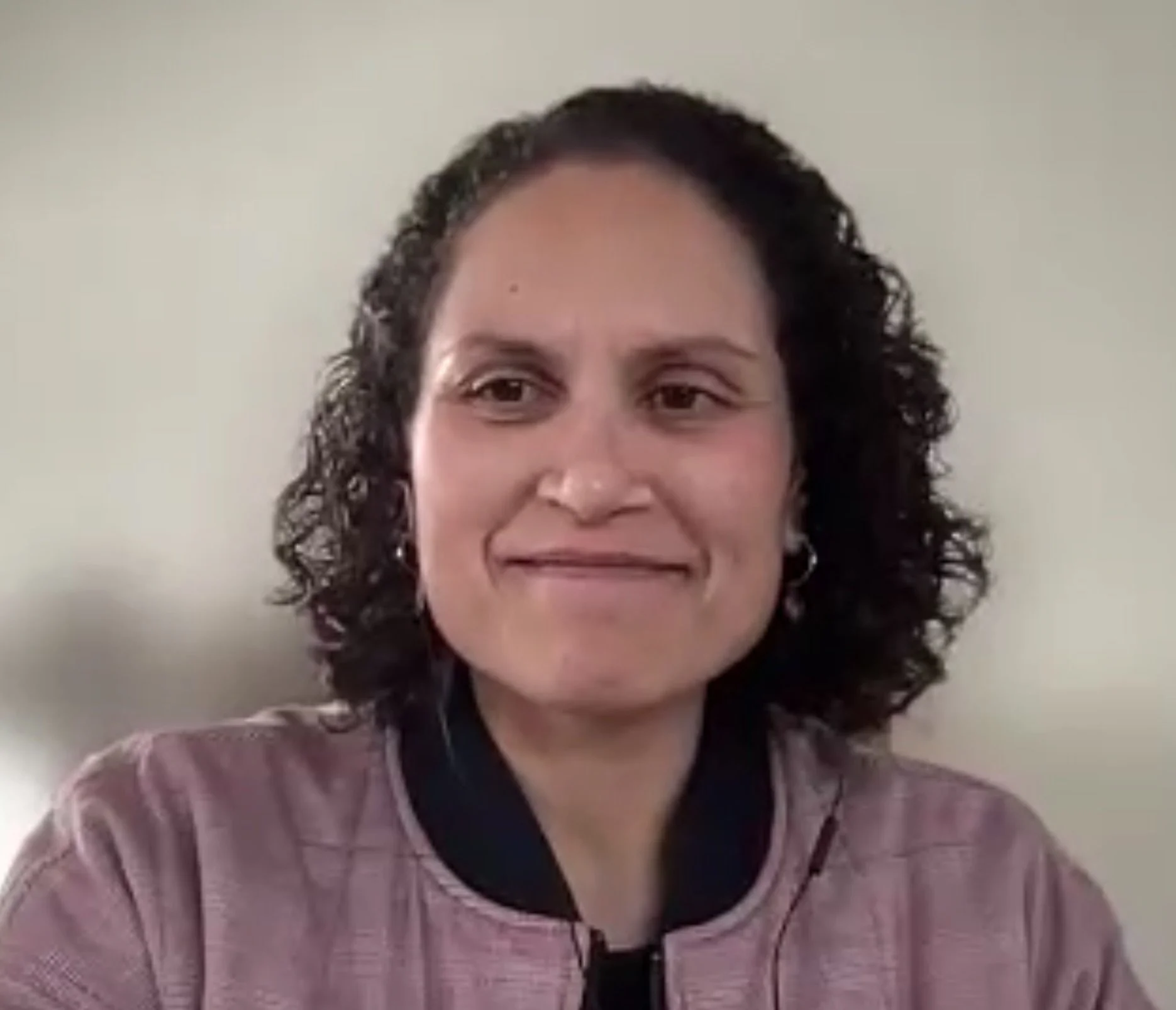
This is a story about what has been taken and what can be saved. I had the honour and pleasure of interviewing Dr Emalani Case, a Hawaiian (Kanaka Maoli) academic and activist about the cultural, political and environmental impact of RIMPAC 2026 on Hawai’i. We also discussed the wider implication of the surge in US-led militarism in the Pacific, its dangers for all Pacific nations, and what a better vision of our future might look like.
Dr Emalani Case is a Senior Lecturer in Pacific Studies at Waipapa Taumata Rau, the University of Auckland. She has written extensively on Indigenous rights, environmental impacts, and decolonial movements across Oceania.
I see that you're named after Queen Emma.

Emalani Case is named after Queen Emma Kalanikaumakaʻamano Kaleleonālani Naʻea Rooke (1836 – 1885) the wife of King Kamehameha IV. The United States overthrew the Hawaiian monarchy and seized Hawai’i in 1893.
She was the godmother of my great grandmother. She loved her people and cared for their health. She was instrumental in creating the Queen’s Hospital on Oʻahu and worked to create spaces of safety, health and genuine security. If I could make some link between RIMPAC and her – RIMPAC is not about the health of the people; it's not about our safety; and it's not about our future.
RIMPAC is representative of the militarization of our islands. There's always this claim that it is for our benefit, for our protection and for the security of Hawaii and the region, but beginning with the military-backed overthrow of the kingdom, the military has always been there for America's imperial interests.
The PR for the event suggests the military exercise is conducted in an environmentally and culturally sensitive manner. Is it? What makes you stand up to RIMPAC?
You can't say that you are aligned with the interests of the people or even with the environment when you're based on destruction and violence.
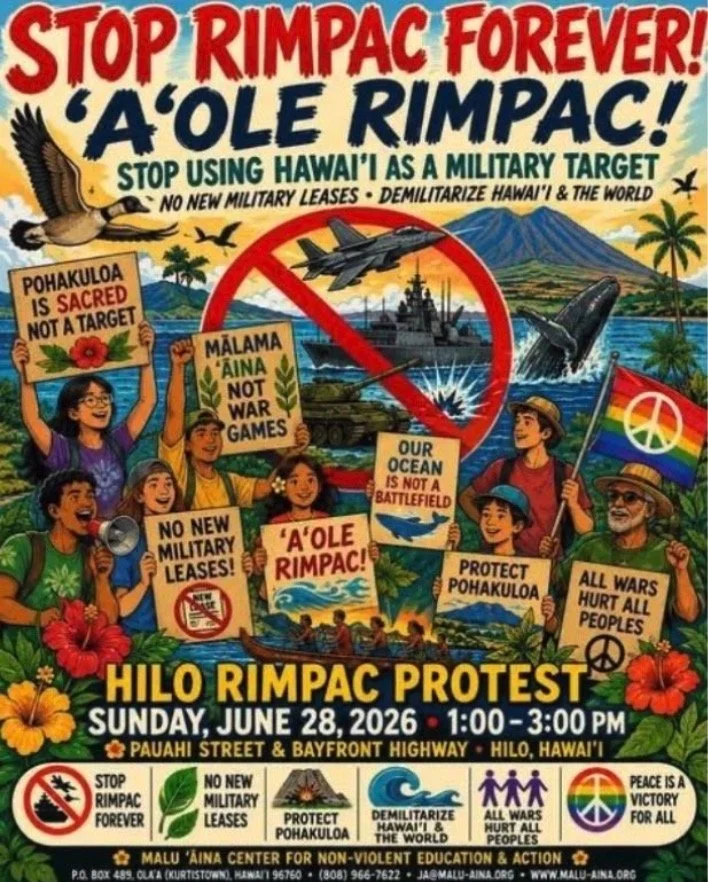
I've experienced militarism and really felt it in visceral ways. When you grow up in Hawaii, the military becomes normalized. It's in your face all the time. It actually wasn't until I moved away from Hawaii I realized, “Oh, it's actually odd to see helicopters every day, and it's an odd thing to see tanks driving through your community. Growing up in Waimea, which is about 40 miles from Pōhakuloa, one of the biggest military training facilities in the Hawaiian archipelago, we could hear and feel when they were doing live target bombing there.
I grew up with parents who were activists in their own right, always fighting for our language, our way. My mom was part of opening a Hawaiian language preschool in my town and my dad was always fighting for our rights to continued access to our land, to be able to hunt and harvest, and fish. So I grew up with that, and I grew up experiencing militarism and observing the violence. That led me to naturally stand against RIMPAC.
Tell us more about the rhetoric that the military are here to protect you – and us.
There's a myth that the military is here to protect us. I always ask: who's here to protect us from the military? They see us as being sacrificeable and dismissible. When you start to confront this notion that we are supposed to be patriotic American citizens, that it's our duty to give up our land and it's our duty to sacrifice our places … that can be quite confronting for people. Militarism shouldn't be normalized, it is highly destructive. We need to unravel and challenge military rhetoric, because it is so strong.
I had a lot of family members around me who had already started to push back against that. We have a Hawaiian Renaissance, this huge reawakening of political consciousness that started in the 70s around the time of the bombing of Kaho‘olawe, one of our islands [for Vietnam war live firing training]. So I was born in the 80s, and I grew up with that reawakening, that renaissance, that revitalization of language and culture, and dance.
It's beautiful and it's strong. We’ve got a really strong nation of people who are still learning, still unraveling, and still dismantling these normalized ideas, this colonial rhetoric.
What else do people need to understand about the negative impact massive events like RIMPAC have on the environment?
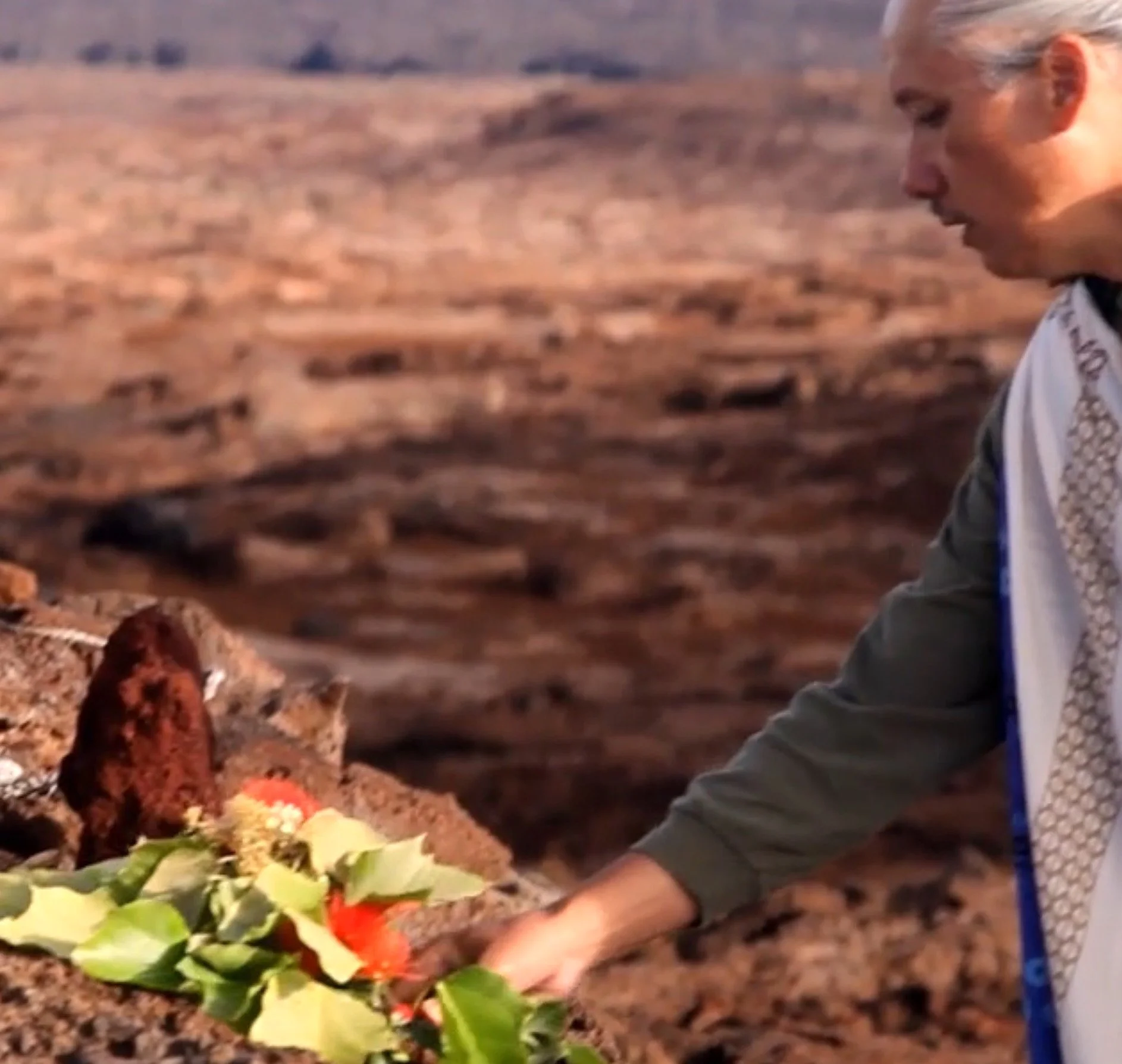
If you take Pōhakuloa – as just one example – you have these long stretches of black lava. It might look empty but under that lava is a massive aquifer. If you bomb on top of that and contaminate it with the chemicals that then seep into the soil, there's major environmental damage. If you repeatedly bomb a place the threat to the aquifer is serious.
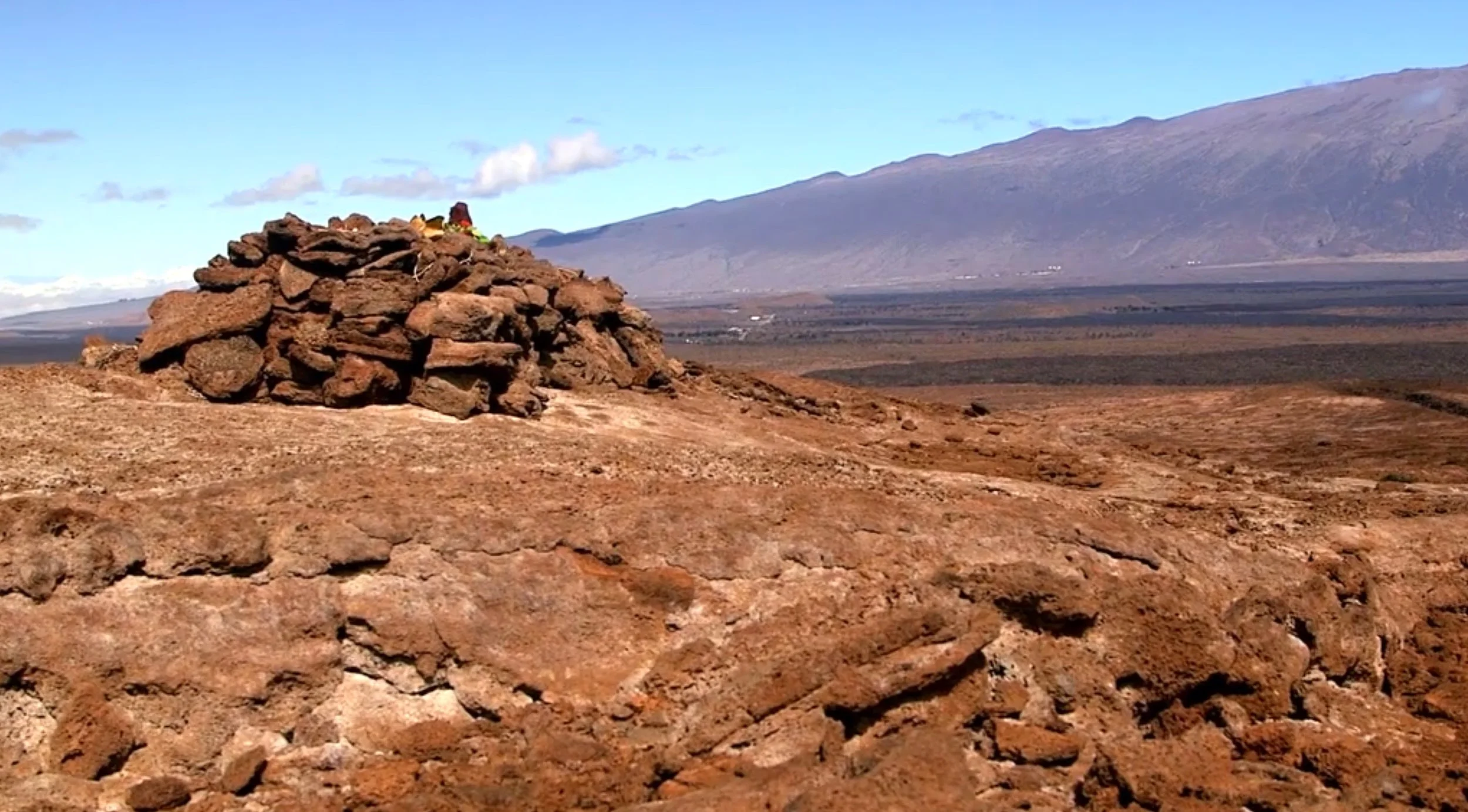
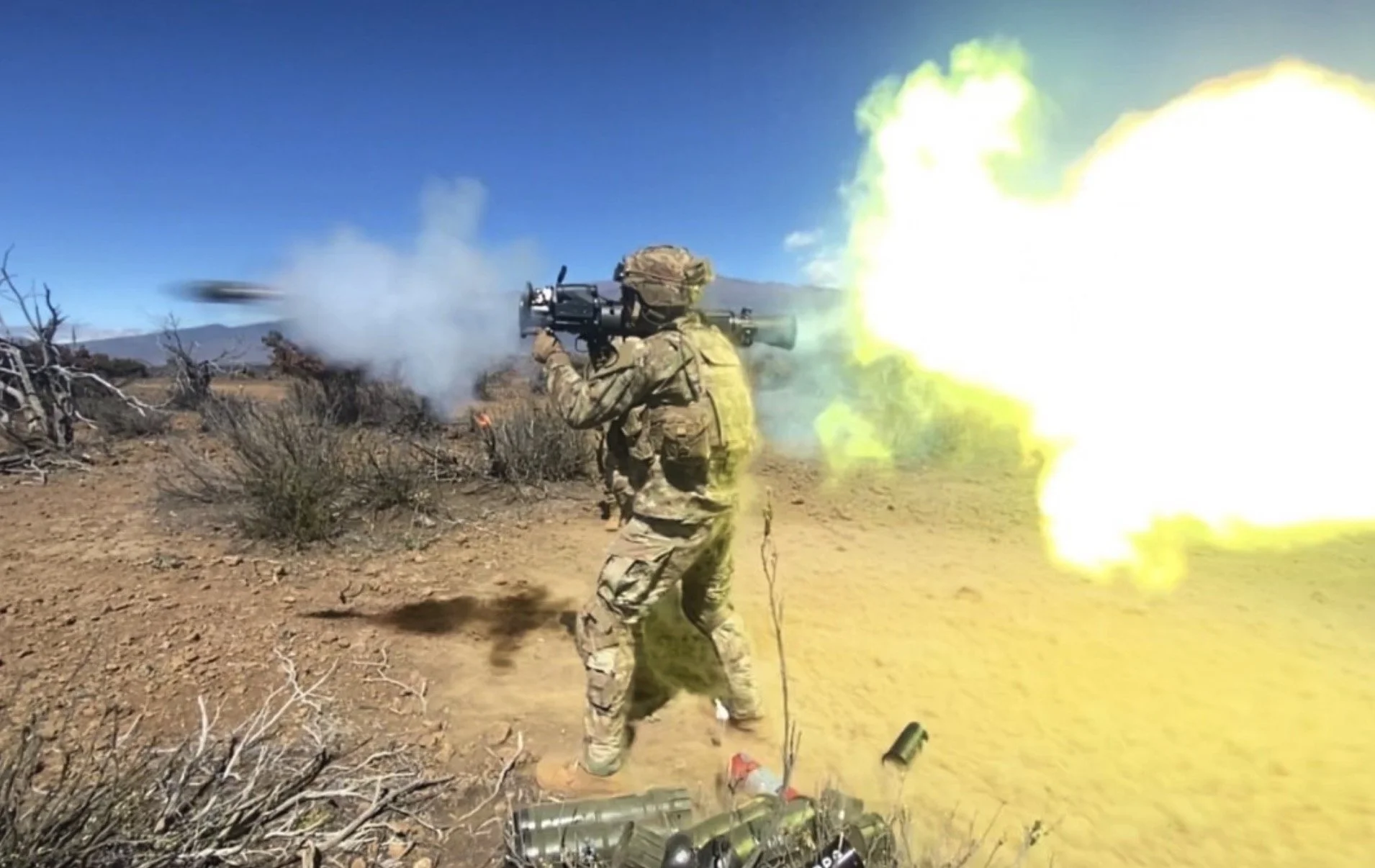
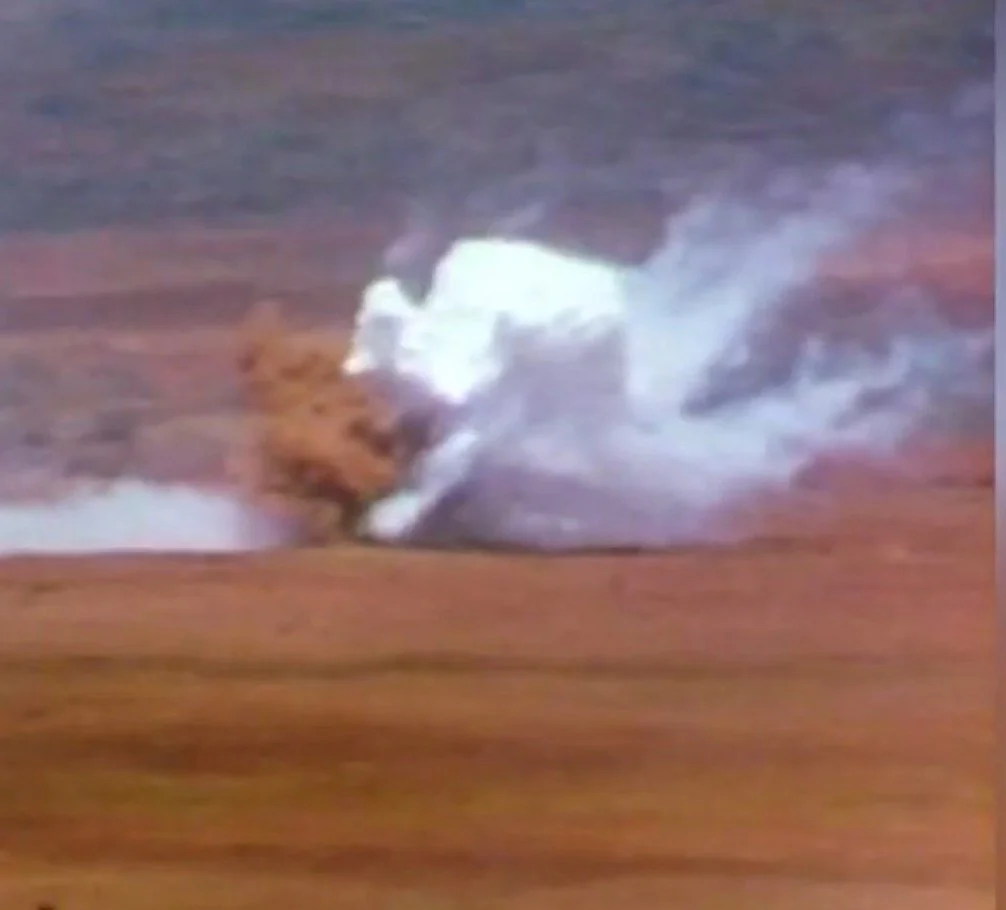
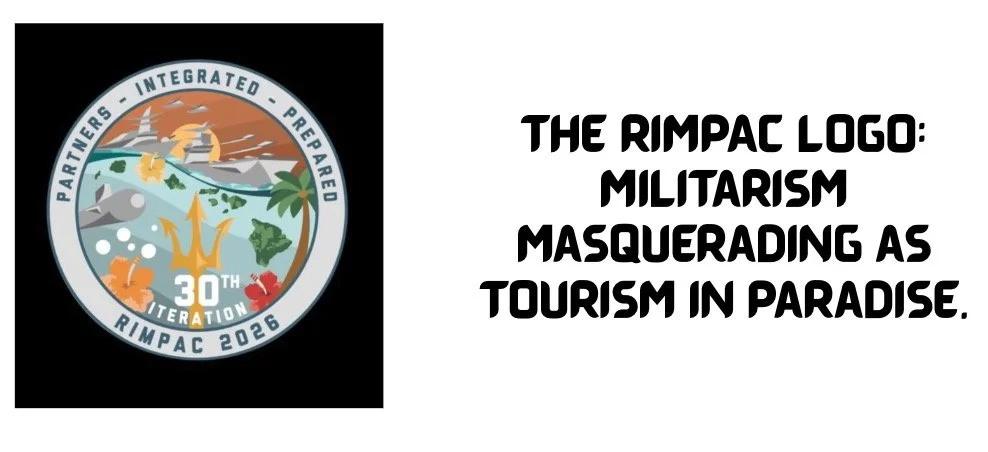
The logo for RIMPAC looks like a tourist advertisement for a tropical paradise.
That image of Hawaii as a tourist paradise is strategic. The tourism industry is working as a mask for all of this other violence that's happening here.
RIMPAC is part of this alliance of nations that ultimately might do crazy things like start a war on China? How worried should we be?
We have to confront these things like RIMPAC that are pulling us together in really dangerous, violent ways. It means confronting how militarism in one place actually shapes and even bolsters militarism in other places across the Pacific.
When these countries do decide to come together and wage war on China, that's going to impact all of us.
There's an image of the future that's a very dark one but there's also a positive one, that the Pacific can be an ocean of peace. Tell us, how you would like to see things shape up.
I think for anybody who does this work, there has to be a vision of something positive and beautiful. Otherwise, why do we do all of this? My vision for the Pacific is, of course, not just the absence of conflict.
As Pacific peoples, we have responsibilities to engage in some kind of decolonial dreaming and envisioning – as Linda Tuhiwai Smith says: to think beyond the absence of something, and to think about what our futures actually look like, and feels like, and smells like in a future that is demilitarized.
I dream I wake up to silence because I'm too used to waking up to chaos. I want that silence in that moment to breathe and just hear nothing but birds or laughter or all the things that should be there. What peace is to me is waking up in a peaceful environment and having the energy to truly care for people. That brings us back to Queen Emalani.
Eugene Doyle
Eugene Doyle is a writer based in Wellington, New Zealand. He has written extensively on the Middle East, as well as peace and security issues in the Asia Pacific region. He hosts solidarity.co.nz.
This article may be reproduced without permission but with suitable attribution.