Why Iran Will Never Break by Kaveh
As an Iranian living in New Zealand, I wake up every morning to the quiet green hills and the calm sea, but my mind is always thousands of kilometres away in Iran. The news from home hits differently when you are far away. You feel helpless, but you sometimes also see things more clearly. For years, I have watched the same old story from Washington and Tel Aviv: they want to change the regime in Iran. Not because they care about Iranian freedom, but because they want more power in the Middle East, control the oil routes, control the region, control everything. They tried it openly in the 12-Day War last year. They bombed, they threatened, they hoped the whole system would collapse. It did not. And now they are trying again, waiting for the Iranian people to rise up and do their job for them. But it is not happening, and it will not happen.
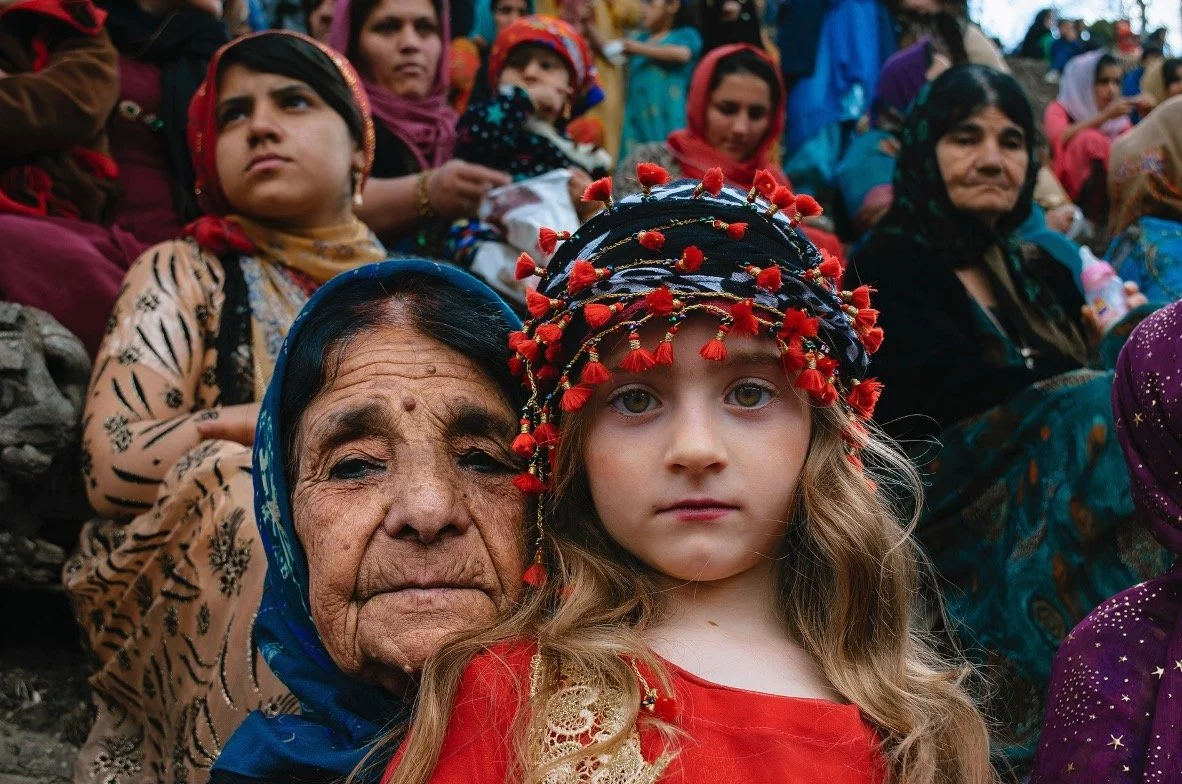
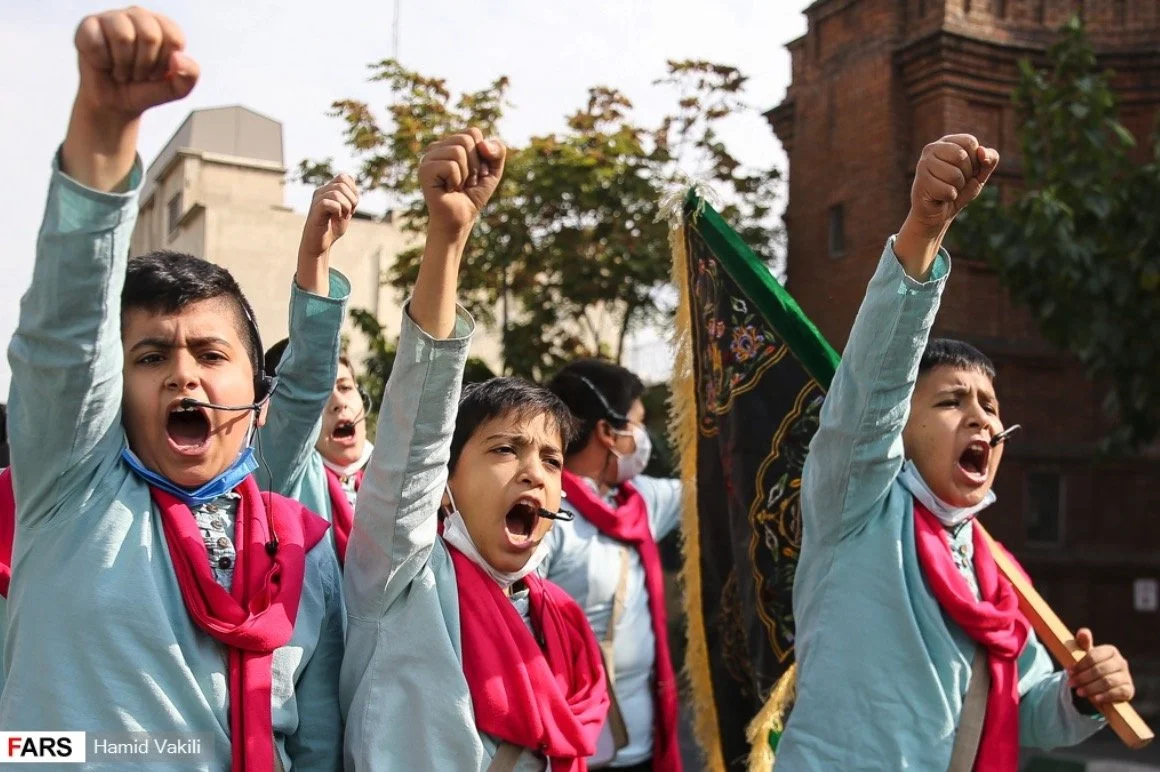
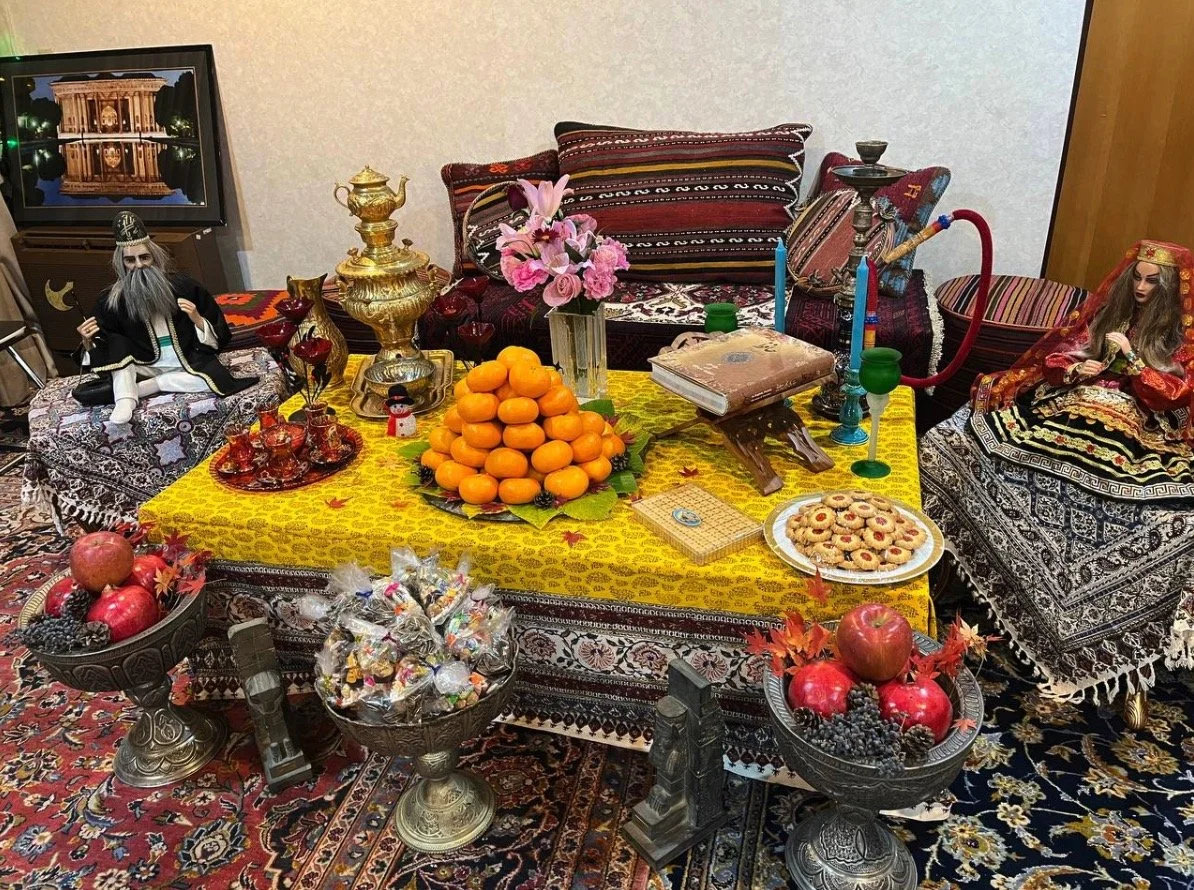
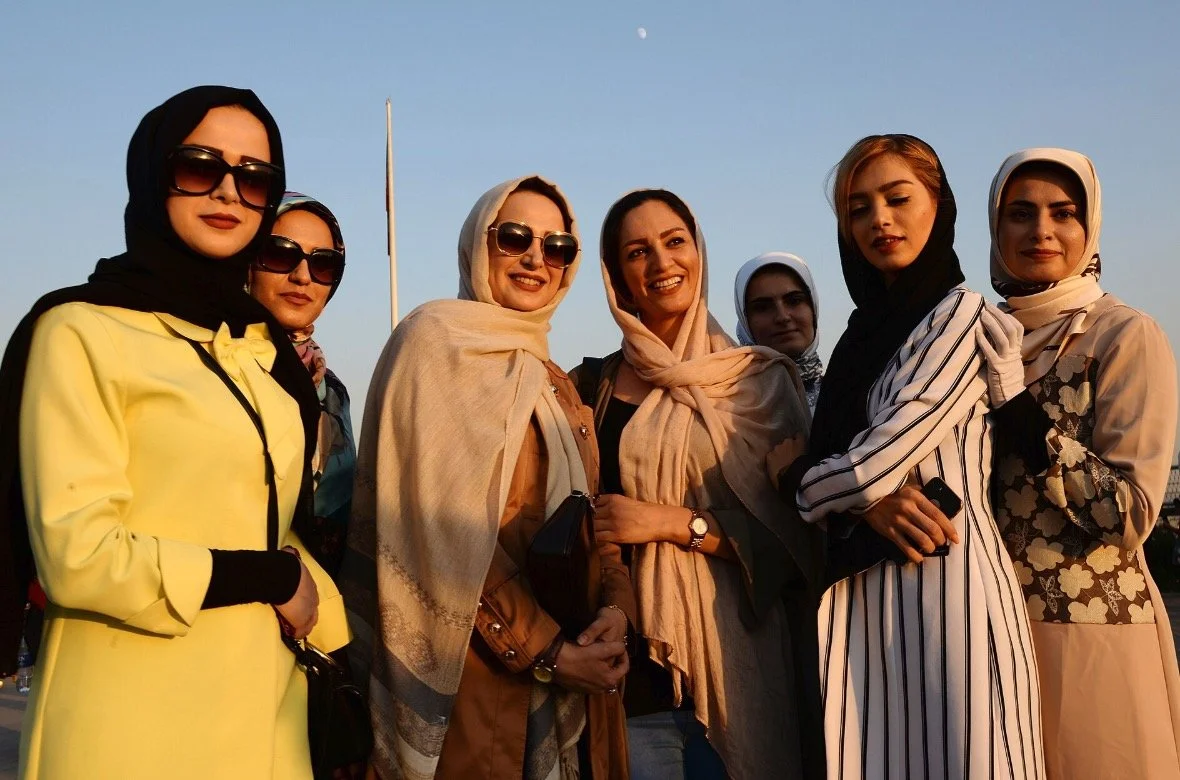
From my small house here in New Zealand, I talk to family back home almost every day. They are tired, yes. Life is hard with sanctions, constant threats and bombings. But Iran is not run by stupid people. The authorities in Iran have planned for this for a long time. If top figures are targeted, there is a chain ready to continue. It is not a secret. They have built it step by step. The Americans and Israelis do not seem to understand this because they do not know the religious and cultural soul of Iran. Without that knowledge any plan is blind. You cannot bomb a country and expect surrender when the children in every school learn about resistance from the first grade.
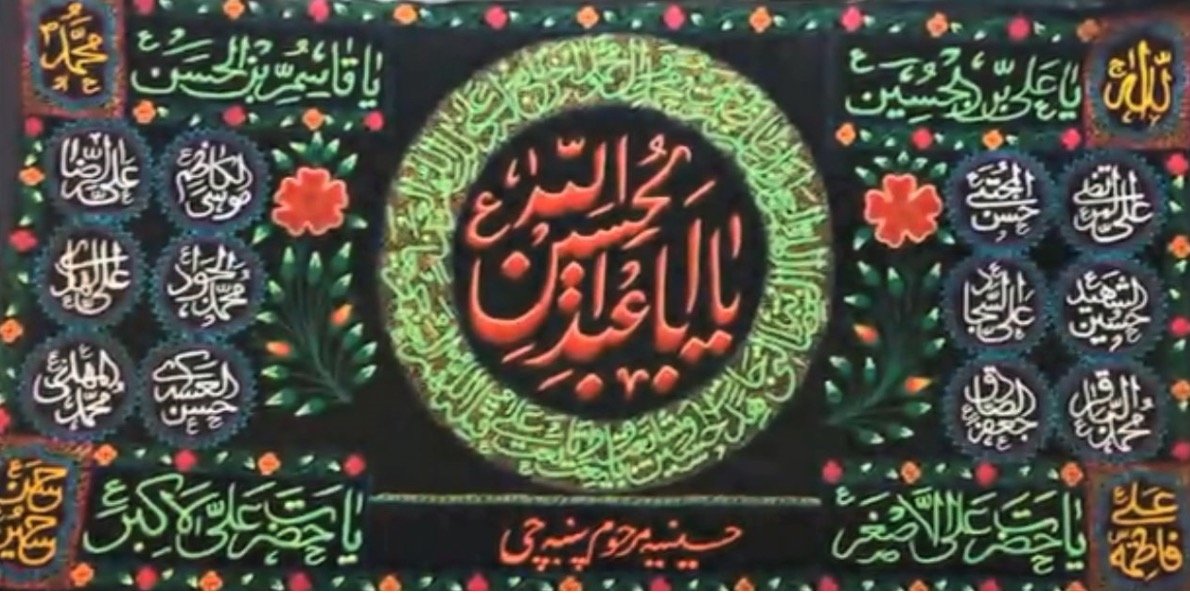
Take Imam Hussein, for example. Most people in New Zealand and other countries have probably never heard the name, so let me explain it simply. Imam Hussein was the grandson of the Prophet Muhammad. In the year 680, in what is now Iraq, he and just 72 of his loyal companions including women and children stood in the desert of Karbala against an army of tens of thousands sent by a tyrannical ruler. They were cut off from water for days. They knew they would be killed. Yet Imam Hussein refused to swear loyalty to a corrupt leader. He chose death with dignity over a life of submission. Every year during the month of Muharram, Iranians mourn this event not as a defeat but as the ultimate symbol of resistance. We cry, we march, we tell the story to our children: standing for justice is worth any price. That lesson is not ancient history. It is taught in schools today as a living example of how a small group can defy an empire. How do you expect a nation raised on that story to give up when missiles fall? We have many such examples from the revolution to the war with Iraq to every pressure since. According to many political analysts, this is exactly why the West keeps making the same mistake. They look at Iran through their own eyes. They see maps and weapons and money. They do not see the culture that turns every attack into fuel for survival.
The diaspora is another story. When I first came to New Zealand years ago, the Iranians overseas were split into two main groups. One part supported the Islamic Republic, the other part mostly louder in the West wanted the return of the monarchy and backed the king in exile. They argued online, but at least the lines were clear. Now everything is different. The attacks on Iran have created real splits and even anger among those who used to be against the regime. Some of them trusted Trump and Netanyahu. They said on social media and in interviews that the bombs would bring freedom. Instead, the bombs are bringing destruction, dead civilians, ruined houses, fear in the streets. Now you see fights breaking out in the comments, in the Persian TV channels, even in family online group chats. The ones who still wave the old flag blame the Islamic Republic for every death. But many others who once hated the government are saying, “This is not freedom. This is an attack on our country.” They feel betrayed. They realise the “liberators” they cheered for only wanted a weaker Iran they could control.
And the war does not look like it will end soon. I speculate it will drag on in this strange way that gets tighter then loosens a bit, then tightens again. Iran will keep using its asymmetric tools: missiles that reach far, drones that are cheap, friends in the region who act when needed. The economy will suffer, people will suffer more, but the system will not fall. The Iranian people have closed ranks around the idea of independence. Those in the diaspora who hoped for quick regime change will stay disappointed. The ones who begged for American and Israeli action are now watching their own relatives bury the dead and should be asking themselves what “freedom” really means when it comes with foreign bombs.
Living here in New Zealand, I sometimes feel guilty for the safety I have. I go to work without air-raid sirens. But every time I see the news, I remember why Iran will not break. It is not because the government is perfect. Far from it. It is because the alternative they are being offered is not freedom. Instead, it is humiliation and loss of dignity. The Americans and Israelis think they are playing chess. They do not realise they are fighting a nation that has turned resistance into a religion, a culture, a memory passed from mother to child for centuries.
I do not know how long this round will last. Maybe months, maybe years of shadow war. But one thing is clear from my quiet corner in New Zealand: regime change from outside will not come. The Iranian people have decided, consciously or not, that they will decide their own future, even if it is painful. The planners in Washington and Tel Aviv should study Karbala again. They might understand then why their plans keep failing.
Kaveh.
Kaveh is an Iranian who has been living in New Zealand for many years. Having travelled across many different countries, he takes great pride in contributing to various communities through his professional work and community activities in New Zealand.