Who will pay billions in reparations to Iran? We will.
Fars Media Corporation
In the coming years, if Iran survives as a sovereign state and retains control over the Strait of Hormuz, countries like Australia, New Zealand, the UK, South Korea and Japan will be made to pay hundreds of billions of dollars in reparations for the US-Israeli war on Iran. Payments, according to Lloyds, have already started and could rise to a rate of over $200 million a day once hostilities cease. For this to come to pass, Iran must fight the aggressors to a standstill and ensure they can impose, if necessary, a chokehold on the oil, gas and fertilizers vital to the global economy. So, when next you see an image of spectacular US-Israeli violence, think this: “I might have to pay for that”.
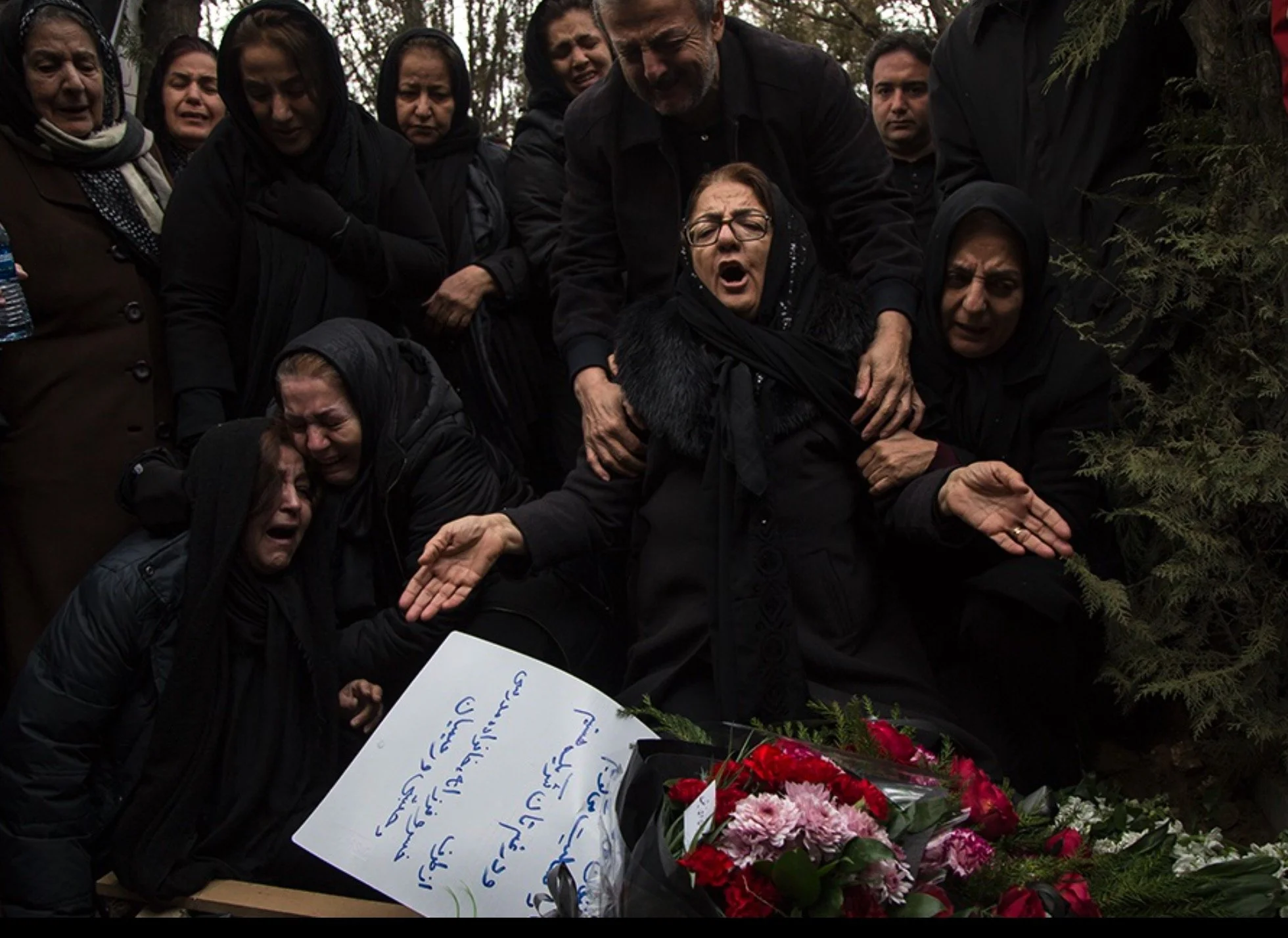
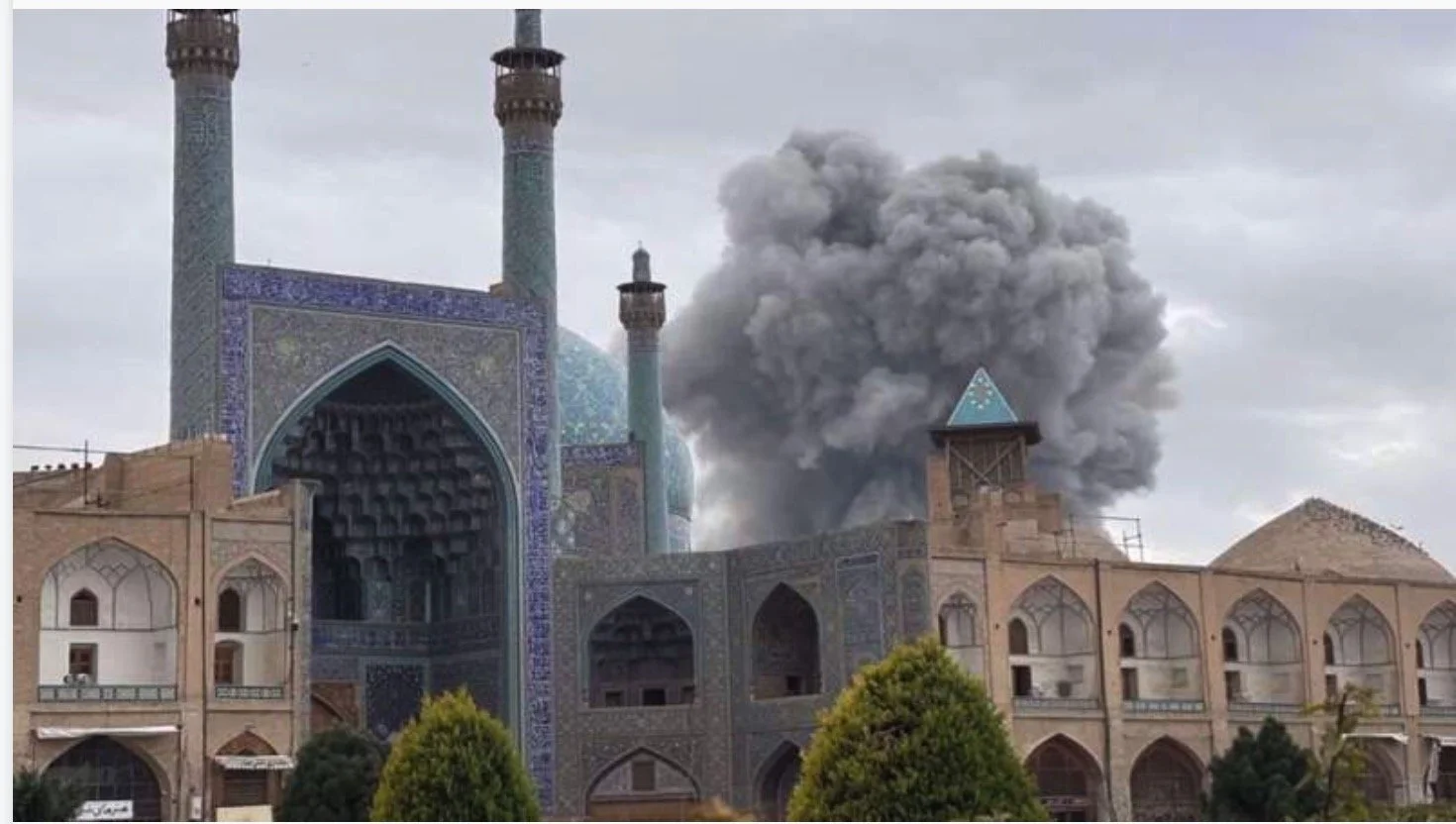
There is no doubt that US-Israel has succeeded in setting fire to Iran, inflicting a heavy death toll, and hundreds of billions of dollars in damages to the civilian infrastructure of the country. As the Leader of the Free World said this week: the aim is to bomb Iran back to the Stone Age.
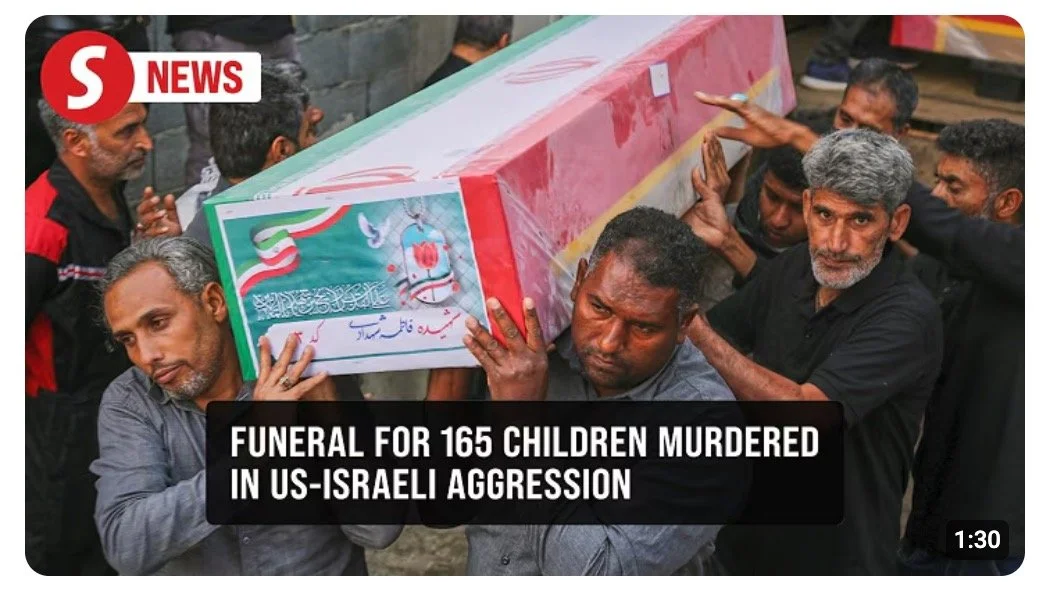
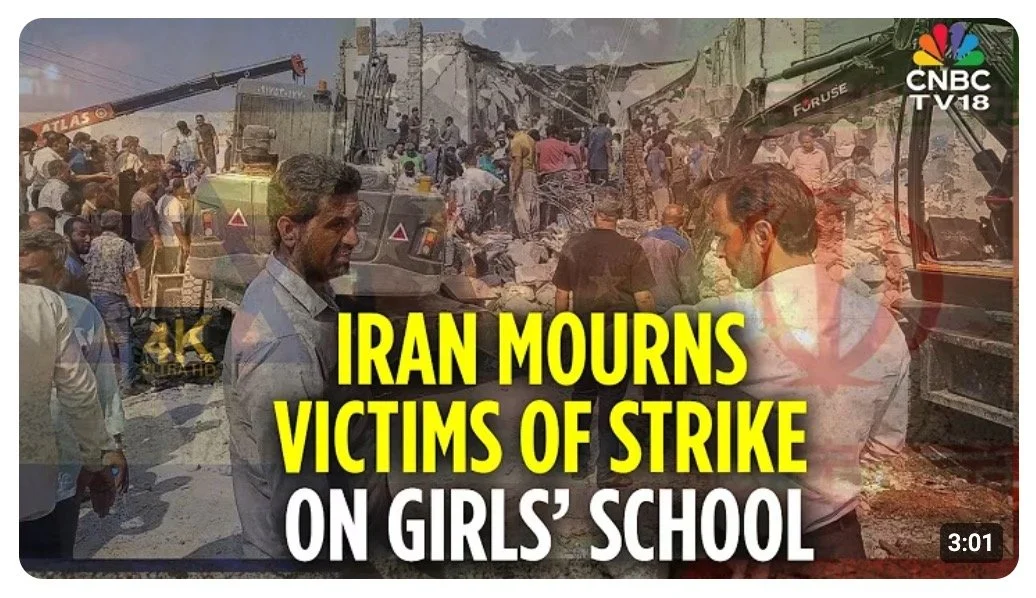
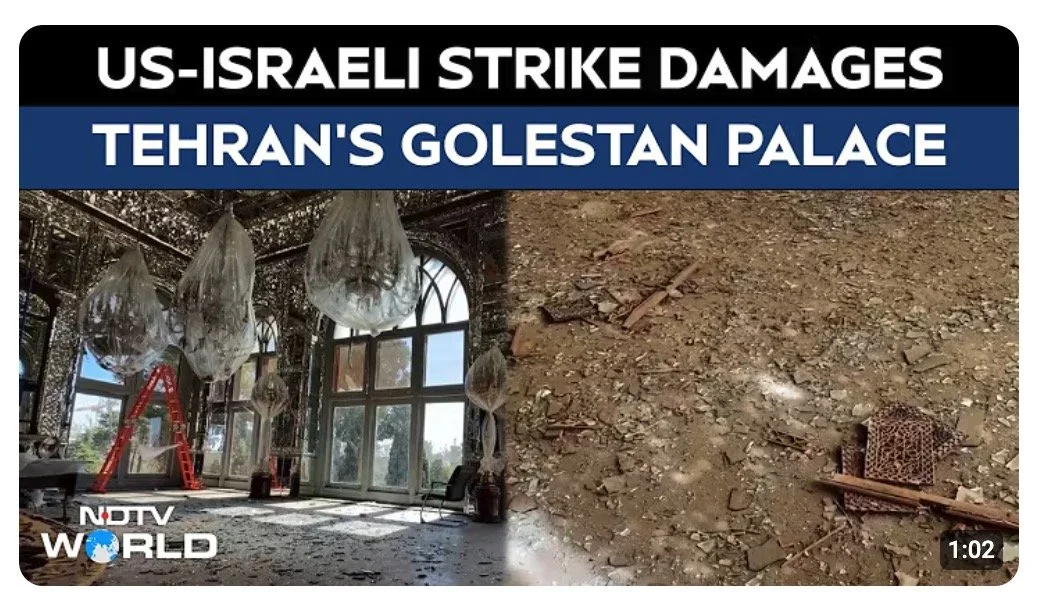
The US and Israel have dropped well over 15,000 huge bombs and missiles on Iran. According to the United Nations by 17 March the US and Israel had already destroyed 54,000 civilian homes. The destruction is now far worse, approaching 100,000 structures. By the end of March hundreds of schools, dozens of universities, much of the civilian infrastructure including major bridges, energy systems and cultural sites had been attacked by the Americans and Israelis. Does anyone still believe they have come to Iran to free the people?
Who should pay for reconstruction? The Iranian government is clear: we should – because this immense crime was, from their perspective, aided and abetted by Australia, the UK, EU, New Zealand and others, who, as with the Genocide in Gaza, did nothing meaningful to stop it.
According to Lloyds, Iran has now set up a toll booth at the Strait of Hormuz – referred to by some as The Aya-Toll-a Booth – to tax ships that pass through the strait. It may be questionable under the Law of the Sea but this would be to quibble after the US-Israelis blitzkrieg.
The Majlis (Iranian Parliament) is finalising a law declaring Iranian "sovereignty, control and oversight" of the Strait, something it had never asserted before. The bill introduces a system of transit fees for commercial vessels passing the Hormuz Strait, effectively imposing a tax of up to $2 million per vessel that wishes to pass. A large oil tanker has a cargo worth about $200 million so the fee is not excessive. Multiply that by over 100 ship movements per day under peacetime conditions and Iran could be in receipt of tens of billions of dollars per year. Given the rogue states who launched this war will never submit to international law or reparations it seems an elegant solution.
Under the system, ships must now provide their International Maritime Organization (IMO) number, cargo manifest, crew names, ownership details and destination before Iran will issue a safe passage clearance. The law bans vessels from the U.S., Israel, and their allies, while granting safe transit to China, Russia, India, Pakistan, Iraq, Bangladesh and other friendly nations.
For this to fully come to fruition, Iran needs to win.
Professor Robert Pape, a top US expert on warfare, based at the University of Chicago, says Iran will likely emerge from this terrible war as a super-power. Many analysts, such as Colonel Daniel Davis, MarK Sleboda, Annelle Sheline, and John Mearsheimer, now see an Iranian victory as likely. Pape himself has run simulations of US-Iran wars for decades and is clear: “Trump made a huge mistake”.
Professor Pape, who was one of the prime architects of the US Air Force’s war curriculum, told journalist Mahmoud Ansari that Trump and others are currently confusing tactical success with strategic outcomes. For the moment, the Americans and Israelis are enjoying success after success: killing leaders and school girls, blowing stuff up and so on. “That can be mesmerizing, and cause this illusion of precision control but it is not the same thing as a strategic victory. Iran before the war controlled 4% of the world’s oil. Twenty-six days later they control 20% of the world’s oil.”
As Trita Parsi of the Quincy Institute pointed out this week Denmark charged transit fees for 400 years for vessels to pass through the Øresund Strait into and out of the Baltic. Panama, Egypt and Turkey all charge transit fees.
The countries who played the starring supporting roles in the genocide in Gaza – Germany, UK, Australia – and supported Israel and America in their rampages across the Middle East for decades may – if they are lucky – get access to the Gulf again but may have to pay a heavy price for their role in the destruction of the lives of tens of millions of people.
The energy security of a minor henchman like New Zealand will have to await eventual negotiations between its major suppliers – South Korea and Singapore – and Iran.
Bloodied but as yet unbowed, Iran knows it can – and must – rise like the Phoenix from the ashes. In the Iranian version of the Phoenix tradition – reaching back thousands of years – the Phoenix (Simurgh in Farsi) must face death and destruction before being reborn and revitalised. The Simurgh is so ancient it possesses the wisdom of the ages: in other words it knows how to survive calamities that would consume others. This is called civilisational resilience and it is baked into the DNA of the Iranian people.

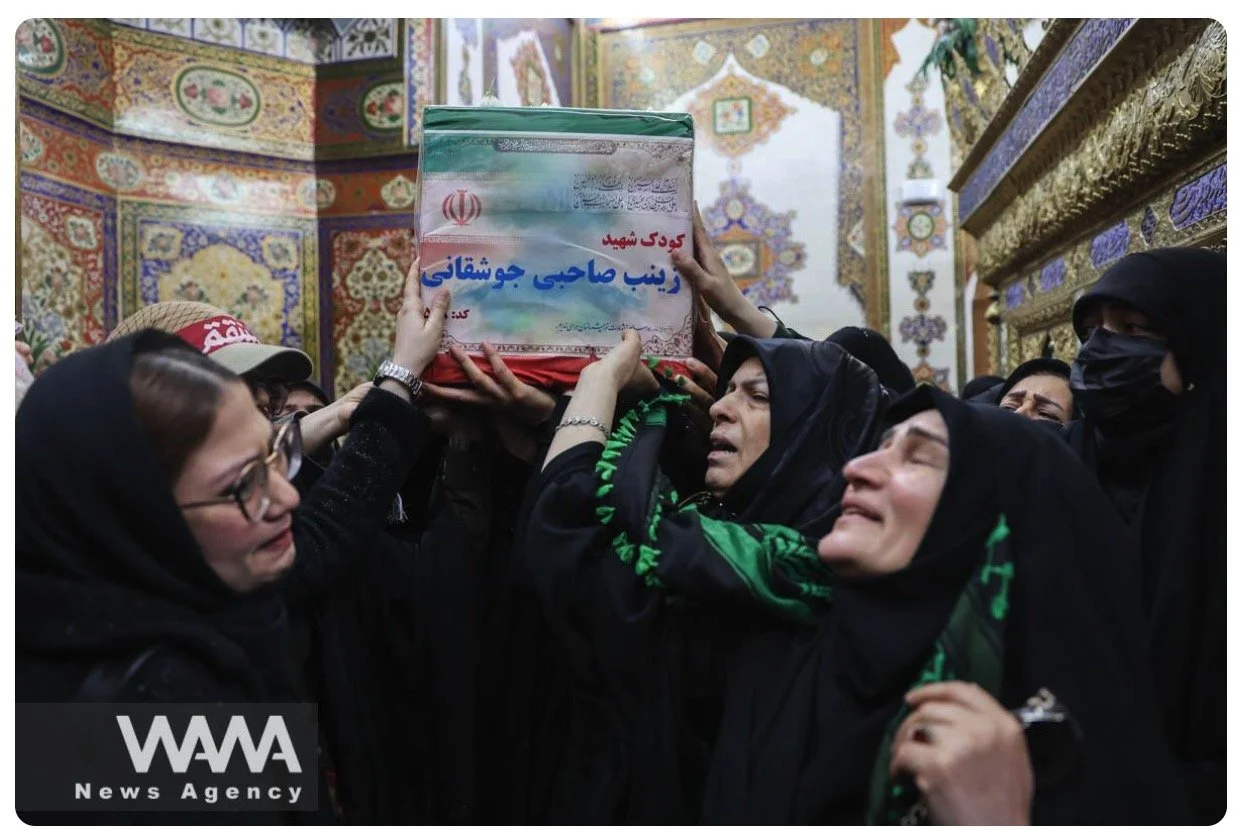
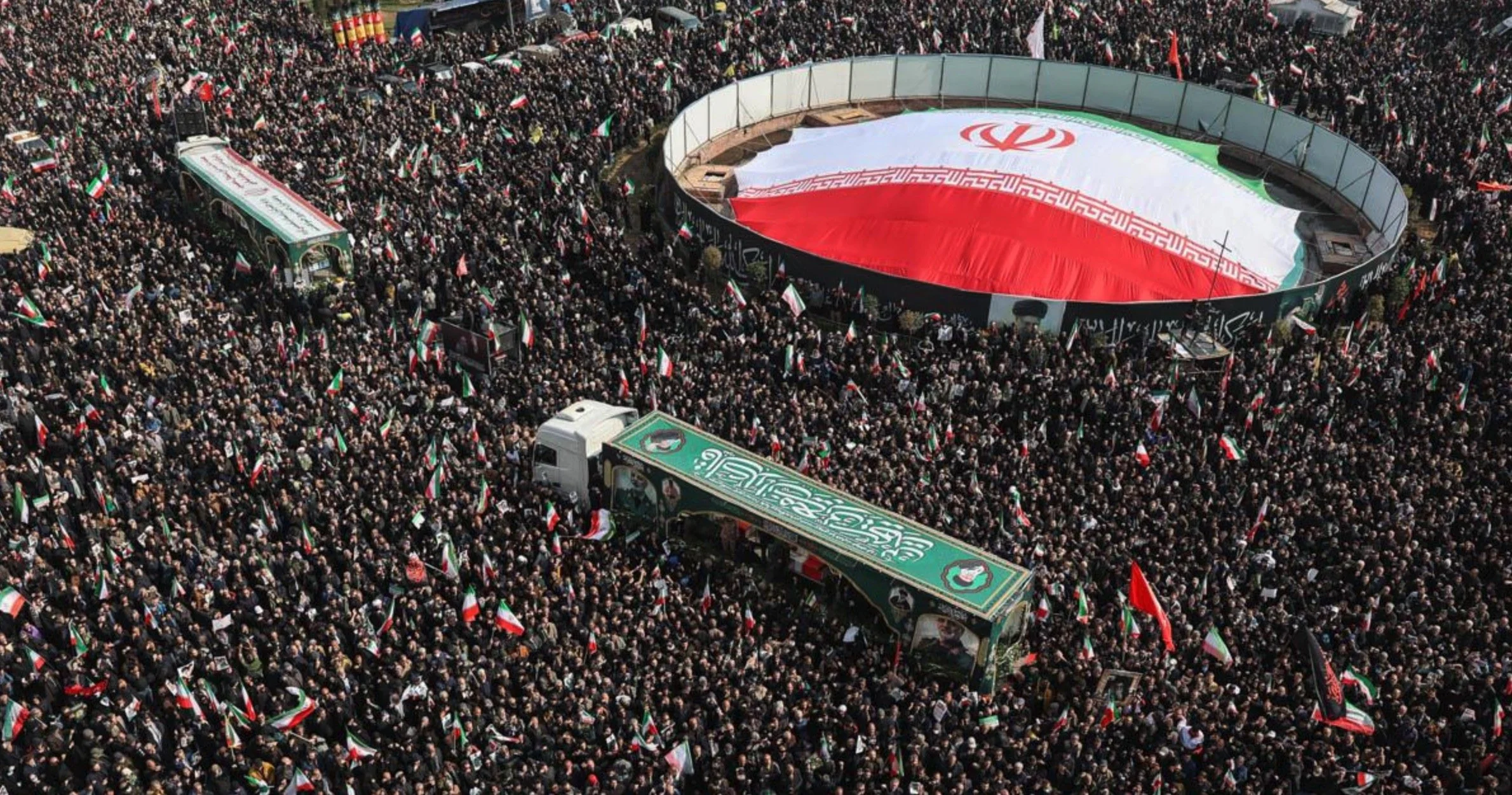

Reconstruction and rearmament are vital for Iran to fend off this forever war the US and Israel have imposed on them. What the Israelis call “Mowing the lawn” – coming back again and again to smash Gaza or Lebanon and now Iran – was best described by George Orwell: “If you want a picture of the future, imagine a boot stamping on a human face – for ever.” I support Iran’s right to ensure this barbarism fails to achieve its goals.
At some point the leaders of our own countries will have to accept that leaving Western grand strategy to a malignant toddler like Pete Hegseth, a moral contortionist like Marco Rubio, and a criminal geriatric like Donald Trump was not a good idea. (Who would have guessed?) It is high time the “middle powers” stopped chattering and wittering on, and finally stood up for law over lawlessness, peace over war, and humanity over the military-industrial-tech complex.
Eugene Doyle
Eugene Doyle is a writer based in Wellington, New Zealand. He has written extensively on the Middle East, as well as peace and security issues in the Asia Pacific region.
This article may be reproduced without permission but with suitable attribution.